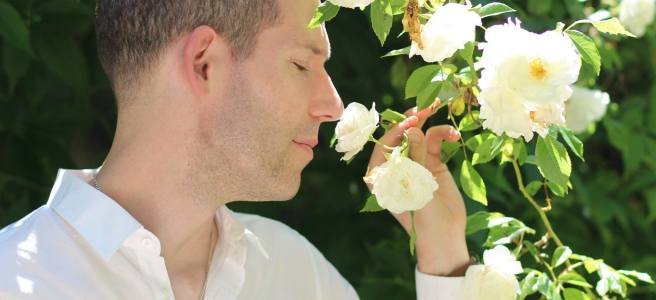
Rose Essential Oil is one I often choose to use with men.
When I first began studying essential oils and aromatherapy, I carried out a lot of practice massage sessions on friends and family and I immediately noticed that when I chose the blend of essential oils to use during the treatment, rose oil was making a lot of appearances – it didn’t make a difference if the client was male, in fact I realised that I almost always used it with men.
Rose oil has a deeply nurturing quality to it, and using it can support us to bring more of this quality to the way we treat ourselves. So, when I considered how much I was using it with men, it felt important not to shy away from it, because surely men deserve to be nurtured, cherished and adored just as much as women? In fact, it may be more important for them to feel that, because in many cases, they will not have been shown that quality by society. At heart breakingly early ages boys have their sensitivity crushed, by being told to ‘man up’, ‘don’t be a baby’ and that ‘real men don’t cry‘ – before they’re even born their baby grow is picked out in ‘baby blue’.
There are so many stereotypes swamping our society of what a man should be like, even the perfume industry dictates what men should smell like, there is a certain style of scent that is always marketed towards men – with more woody, spicy, musky, ‘manly’ notes – compared to a classic ‘feminine’ fragrance which would be light, delicate and floral, and definitely not seen as masculine.
Rose is one of my favourite essential oils by far, but I always choose the oils to support the client and why wouldn’t I use one of the most divine, delicate, sweet, lovely essential oils with a man? When a man is naturally himself he is absolute love, tenderness, and so deeply caring. Even the hardest, toughest man is as sensitive as a new born baby under that bravado and given a new born baby to hold he would surrender to this natural delicate tender way in an instant.
When I have experienced a man expressing that natural tenderness, it has blown me away, and far from being pathetic or soft, it is truly powerful and either melts me, or makes me feel uncomfortable because it shows me when I’m rushing and not being delicate in the way I move. There is so much more beauty for us to appreciate in men and this is why I have such a tendency to use rose with male clients, wether it be to celebrate that quality in them or to support them in letting it out.
You can buy two of the most exquisite rose oils here at Essential Oils & You’s online store: Rose Otto Essential Oil & Rose Absolute, (click text to view) or…
Order a Bespoke Rose Perfume or Bespoke Rose Blend that’s ready to use on your skin and in the bath.
Read more on exposing our stereotypes of ‘real men’ and how they affect us…
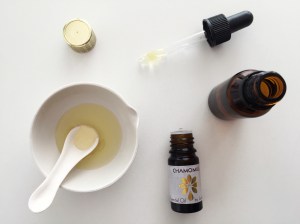
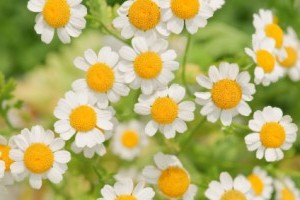
Last week I ran a natural skin care making workshop and the client was suffering from hay fever. It was obvious they would not enjoy the few hours we had together when suffering with congestion in the nose and sinuses, sneezing, eyes watering and itchiness. They did have anti histamines, but I suggested we make a chamomile essential oil blend first to apply around the eye and nose area to see if it would ease the symptoms.
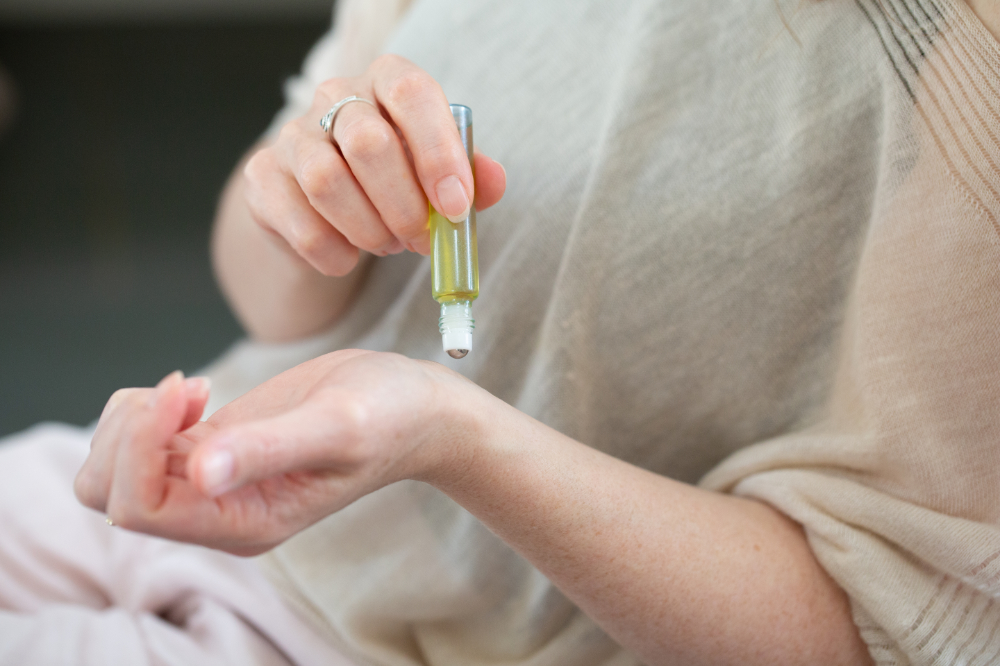
Chamomile essential oil is very potent, so you just need a tiny amount, we used 1 drop of oil in 5ml of carrier oil (e.g. apricot oil) and applied around the eyes, across the nose and cheeks. We continued the workshop and the symptoms eased in a few minutes, leaving behind just a little sniffing for the rest of the morning and there was no need to use the anti histamines which often have other unwanted side effects (fatigue, dry mouth). It was a great confirmation to observe for my self how the chamomile blend eased and calmed the allergies swiftly and effectively.
Chamomile is great for calming allergic reactions, such as rashes, inflammation and hay fever, it also calms the nervous system which is useful because when suffering from the symptoms it can make your mood quite irritable, aggravated and upset.
Caution: You must blend the chamomile essential oil with a carrier oil before applying to your skin, you can use any of the Carrier Oils listed for sale in my shop or simply use a little olive oil from your kitchen cupboard.
TESTIMONIAL: ‘My hay fever symptoms have improved a lot thank you. I still get itchy eyes and a little blocked and sneezing but thats usually in the mornings or evening when I need to re-apply the blend.
Your bespoke blend is really beautiful to apply thank you. I think in the first few days as my symptoms were so strong I applied quite a lot and then felt a bit greasy as I’m not used to using oils (I’m also quite heavy handed sometimes with things). I am now applying less (3 drops to my face and neck, twice a day unless I need during the day) and it’s working really well thank you. It’s so nice not to be taking medication, which I always avoid if I can.
I have also had dry patches of skin across my cheek bones for months despite applying moisturiser daily and they are now beautifully soft! ‘ Michelle Foulser
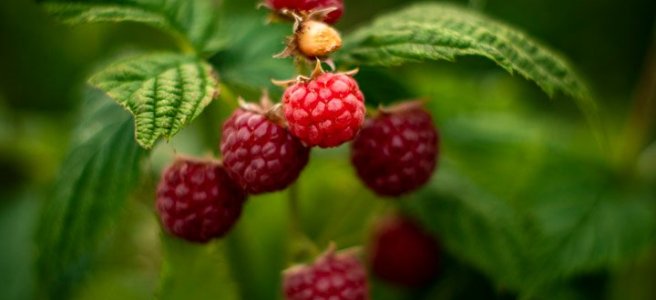
This week I tweaked my beauty ritual and have started to use just pure, organic, cold pressed seed oils on my face and I’m so surprised at how amazing my skin feels – I can’t stop touching it.
In the morning, after a bath or shower, I apply a few drops of raspberry seed oil to my face and neck. It smells a little like cucumber which I find fresh and pleasing and it sinks straight in -there is no shine or oily-ness left behind and my skin still feels so soft and silky, even at the end of the day. I haven’t even wanted to put foundation on my skin afterwards because it feels too good.
In the evenings I’ve been using black currant seed oil (after cleansing with a little coconut oil and a few drops of lavender and water in the basin). The scent is just like black currants, which is unusual for the seed oil to smell like the fruit, but very delicious.
I’m feeling so precious when I spend this time nurturing my skin and appreciating it when I touch my face throughout the day. It has made me consider how many more daily acts of self care there are that I can bring a deeper awareness, appreciation and simplicity to. Things like washing my hands, dressing, preparing a meal – there can be so much joy in it.
Do you have a daily self care task that becomes a precious moment because you cherish yourself as you do it?
There are many other nourishing oils that can be used to support your skin, including jojoba, apricot and sea buckthorn…
How to Cook with Geranium – baking with scented leaf pelargoniums and flavouring frosting with geranium essential oil.
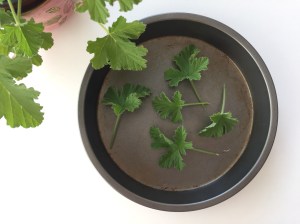
Scented Pelargonium Leaves.
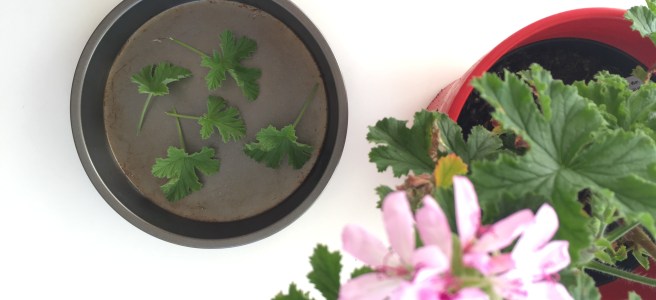
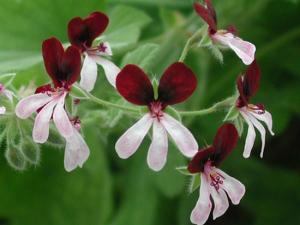
It’s the leaves in the Pelargonium plants (often incorrectly called geraniums) that yield essential oil. They come in a range of incredible scents, including orange, lemon, rose and even chocolate peppermint!
To use them in baking, clean the leaves and lay them at the bottom of a cake or bread tin. Pour in the mix and whilst baking, the essential oil held in the leaves will be inspired to rise through the mixture, infusing it with a delicate, sweet floral scent and flavour. Turn the tin upside down to tip out the baked cake and remove the leaves before eating (you can leave them in for show, but don’t eat them).
This technique would work well with any cake or bread recipe that has a fairly delicate flavour to allow the scent of the geranium/pelargonium to come through. A plain sponge is probably best for highlighting the fragrance.
Here are a couple of delicious options you could experiment with:
You can also flavour cake icing with Geranium Essential Oil – you must use a food grade essential oil for this and only a tiny amount of essential oil, or you will find the flavour too over powering.
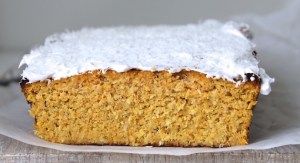
Coconut and Carrot Cake – by Live Love Nourish.
Frosting Recipe:
1 x 400ml canpremium/ full fat coconut milk/cream, refrigerated overnight*
1 tbsp pure maple syrup, 6 drops stevia concentrate or natural sweetener of choice
You may not be aware of it but you’re likely to be cooking with essential oils in some way on a daily basis.
Essential oils are made from an array of plant material that contain highly scented volatile parts. This could be eucalyptus leaves, cardamom pods, lavender flowers or rose petals. To make them into an essential oil the plant material goes through a process called distillation. This involves steam passing through and releasing those molecules then capturing the oil as the steam turns back into water.
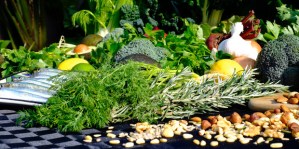
There are many plant materials containing essential oils that are commonly used during cooking and when you apply heat to them this releases those oils that make for delicious smells in your kitchen:
Spices: When you heat up seeds like coriander, cumin and fennel, in preparation for something like a curry or a tagine, it makes for a mouth-watering atmosphere. The essential oils also have an effect on your digestive system by stimulating digestive juices, (hence the ‘mouth-watering’). Try this Garam Masala Recipe to experience the affect of releasing essential oils when preparing a spice mix.
Herbs: With some herbs, such as basil, rosemary and thyme, the heat on a sunny day will be enough to initiate a waft of essential oil as you pass by, and on cooler days you may need to rub the leaves with warm fingers to release the scent.
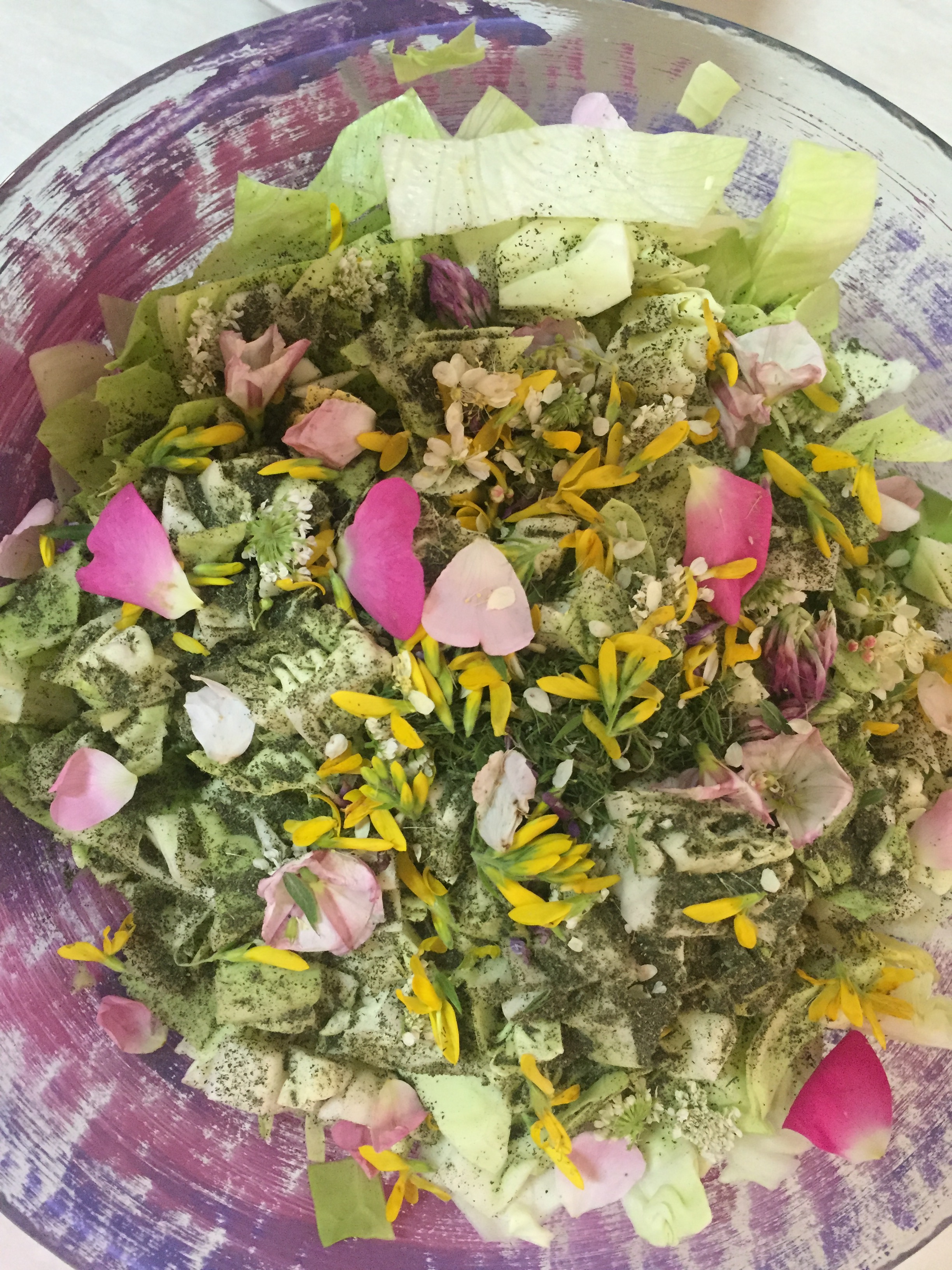
Flowers: You can use many flowers in food for their perfume and delicate taste such as roses, orange blossom, geraniums and of course lavender.
I have been experimenting with cooking with essential oils and scented plant materials recently and it can be as simple as sprinkling some rose petals on your meal or adding a drop of lemon essential oil to your bottle of olive oil for dressing salads. I sometimes sprinkle fresh or dried lavender flowers on meat or fish when baking them in the over, and it smells amazing! It doesn’t take much for a magic touch*.
Essential oils are a potent tool to support health and well-being, from chronic illness to the common cold. There are an array of oils to choose from, each with powerful properties that help ease many symptoms both in the body and the mind. There are a myriad of ways they can be used too, which can actually be a little overwhelming, but no matter what my symptoms may be, or what essential oil I feel like using, there are three main ways that I incorporate them into my daily life:
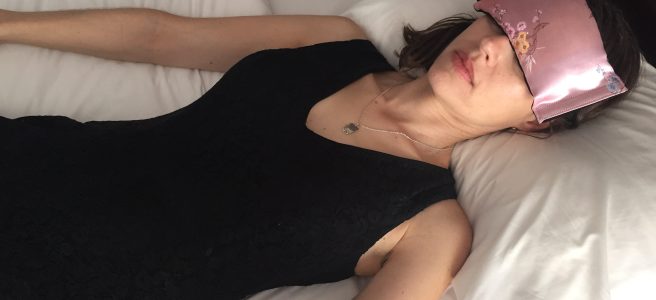
Taking a moment to reconnect with a scented healing eye pillow.
Connection
– to support a consistent connection with my body and to reconnect to myself when I feel out of sorts;
– to use the oils in daily rituals that support me to live with a steady rhythm and stay connected with what’s around me;
Feeling what part of my body I want apply cream to.
Nurturing
– to use essential oils in a nurturing way that supports developing a deeper relationship with myself.
These ways can look quite different for each individual person, so here are some practical examples of how it can play out for me:
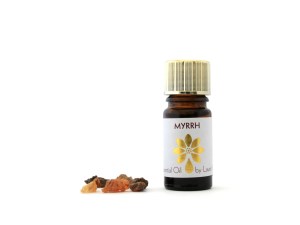
Using myrrh essential oil on my wrists.
Connection – If I’m feeling a bit stressed, tired or distracted, I may take five minutes to sit and massage my wrists with some hand cream or massage oil blended with myrrh essential oil. This area feels particularly delicate to me and this action allows me to feel how tender my body is, so quite quickly it brings me back to myself which gives me a chance to address what ever is going on that resulted in me feeling out of sorts -hence the re-connection.
Appreciating the lavender bags in my wardrobe each morning when I choose what to wear.
Rituals – In my daily tasks I like to bring a little touch of magic to what I do, I might add a sprinkle of lavender oil into my laundry powder or a few drops of lemon oil onto kitchen surfaces when I’m cleaning. It’s a way of bringing my innate quality to every day life and recognizing each moment as precious.
Adding a little rose oil to my face cream & cherishing myself as I apply it.
Nurturing – The more I build the connection with myself and the daily rituals in my life, the more deeply I feel I naturally nurture myself. It seems that if I care enough to commit to the other two, the nurturing builds by itself. It’s like I have more respect and time to care for myself. Rose is my favorite oil to use in this way, at the moment its in my face cream which also gets applied to other areas of my body that need attention, it’s likely to be in a perfume that I make (that I quite often just wear to bed) or a few drops in my shower gel which means my skin gets massaged with rose each morning –very delicious.
These are all simple ways that I use the oils and they don’t take too much time up. Everyone could use essential oils in their day to day life, perhaps in different practical ways depending on what they like and the practicalities of their day. But by bringing the focus to connection, rituals and nurturing, it tends to avoid the oils becoming just another quick fix for ailments and supports addressing the route cause of the issue. It also allows me to appreciate the real beauty and power in the oils, but also how important my part is in supporting my health and wellbeing.
If you would like to discuss how essential oils can support you or request a Bespoke Blend you can email me directly at laura@essenstialoilsandyou.co.uk.
Natural Perfume Making Workshops, make your own unique & completely natural, organic roll-on oil perfume, with the finest quality essential oils.
Stop, breathe gently, smile and appreciate.
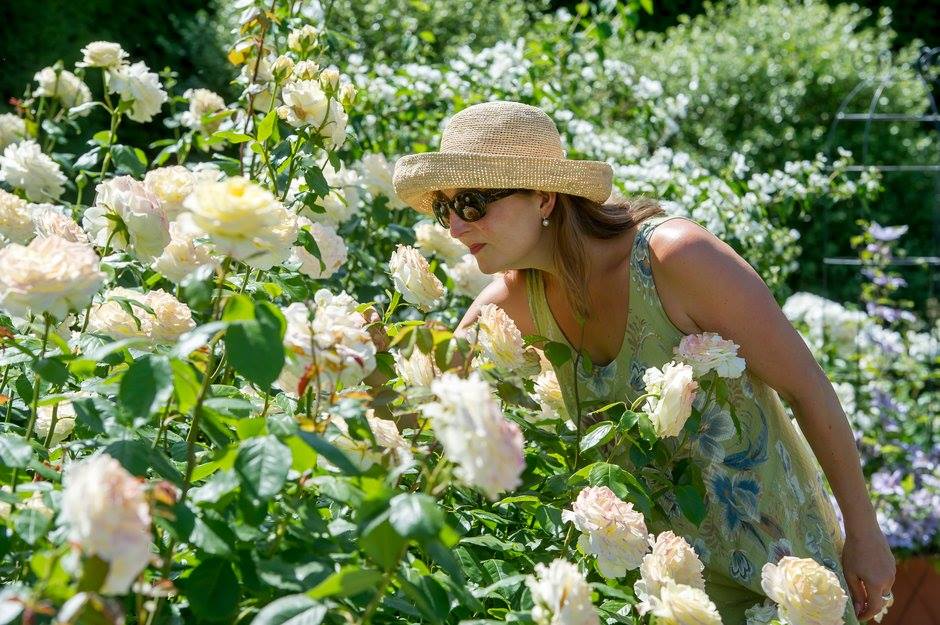
There are so many beautiful scents in the air to appreciate, especially in summer, walking down the street or through the park, the air is perfumed every now and then by some flower or other coming into bloom. It always makes me stop, breathe gently, smile and connect back to my body and how I’m feeling… nature has such a sweet way of reminding us of simplicity, joy and bringing us back to the present moment.
This is one of the many reasons I love to run my events at beautiful, nature filled venues, so that participants get to appreciate the magic of the plants that yield the essential oils we then use in perfume making, and the perfumes more likely to support in the same way nature does.
Some of the amazing places I run workshops, courses and retreats are as follows:
Glasgow Botanic Gardens, Scotland, an absolutely stunning venue in the centre of Glasgow. The workshops usually take place inside the South Wing of Kibble Palace glass house which has a ‘Canary Island’ theme, so the temperature is kept at 18 degrees. I find it gets too hot in Summer and too cold in Winter, so workshops are usually in Spring or Autumn, although there is an indoor venue on site too which can be used. The Botanic Gardens are free to enter all year round. For more details on the beautiful venue see the website: www.glasgowbotanicgardens.com
Royal Horticulture Society (RHS) Gardens, currently I run workshops at RHS Rosemoor in Devon and at RHS Wisley in Surrey. They are usually day workshops, which include lunch and refreshments, and allow you some time to enjoy the exquisite gardens. I usually run them in July, when the rose gardens are still in full bloom.
Upper Vobster Farm, in Somerset – Plant to Perfume is part of the weekend retreat I run at this heavenly space in North Somerset. It is possible to come for the morning of the retreat for this workshop only, but I would recommend giving yourself the whole weekend to enjoy the alchemy on offer. Upper Vobster Farm is a beautiful country property lovingly restored and created to help you take a rest from the stresses of life, somewhere where you can allow yourself to have a moment to be yourself again. They have 60 acres of land, including a 6 acre wood, which is a nature conservation area and preservation area for birds of prey. Nature, the woods and the sounds of the birds will make you stop in your tracks and feel the magic around. As well as the buzzards you may well see the resident kingfishers on the stream or by one of the ponds, or hear the woodpecker at work in the ancient oak tree. Tricia Nicholson, the owner of the farm with her husband Michael, has a fondness for roses, as do I, so this retreat takes place early in July, to catch the final bloom of the many roses planted all over the farm. In fact, this event was set to offer an alternative to the Rose Retreat I run in Bulgaria, as I know not everyone is able to travel or make that investment.
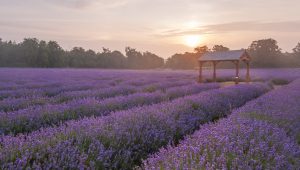
Mayfield Lavender Farm, in Surrey, just outside London. The scent at this venue will be obvious before you even arrive at the farm, as the fresh, floral smell is carried in the air beyond the field. You will also be blessed with the truly stunning sight of the iridescent lavender as well as the gentle humming sound of bees. It is a truly inspiring setting for learning about essential oils and making your own unique perfumes, in the midst of the beautiful purple flowers under the gazebo featured in this image.
Seckford Hall in Suffolk – with its enchanting history & glorious gardens, a 16th-century listed country house with a unique combination of comfort & luxury, completely steeped in Tudor charm & history, located in 34 acres of Suffolk countryside. This place is bound to bring a sense of the past into your perfume.
Borde Hill Garden in West Sussex – the workshops here have a focus on health & wellbeing and include a short walk through the gardens covering how the aromatic plants were used in Tudor times, with specific reference to the physician from Borde Hill who treated Henry VIII. As well as a stunning Italian Garden with aromatic herbs it also has rose gardens with over 750 David Austin Roses.
Kate Langdale’s Flower Studio in Brighton, Sussex – my absolute favourite florist. The reason I’m so in love with this place is because of the unusual scented varieties of many plants and flowers she supplies, many of which yield their own essential oil. Not only does she have some incredibly beautiful scented roses (quite rare in florist these days) but I’ve manage to purchase pink peppercorns, chamomile and scented geranium leaves in the past. It is a joy to be surrounded by such a gorgeous array of seasonal flowers when making our bespoke perfume blends. The flower studio is usually a venue available for workshops by request, and only during Spring, Summer and Autumn seasons at Winter can be a little chilly.
For more information on what happens at a Plant to Perfume workshop, read my blog post on Natural Perfume Making – it also gives you instructions on how to make your own perfume with essential oils.
I also run Plant to Perfume workshops for private groups and parties by request, they are a really lovely opportunity to be with friends, family and even colleagues while enjoying making your own beautifully scented perfume to take away. I am always happy to arrange events at new locations or suggest some in your area.
For a little inspiration on breathing gently and appreciation, check out the free meditations on Unimed Living health & wellbeing website.
A change of season means a change of wardrobe, what ever side of the planet you’re on you are bound to be experiencing the change in seasons, whether it’s time to pack away your warm jumpers and winter coats or say goodbye to summer dresses and cool T-shirts, essential oils are a sweet smelling and practical way to look after your clothes.
If you’ve ever experienced an attack of moths on your favourite cashmere jumper then you will be sure to take extra care when you store your knitwear and silks away for several months. Here are a few tips to help protect your clothes and ensure they reappear in one piece, smelling fresh when you unpack next Spring/Autumn…
It’s advisable to give everything a wash before you pack them up and as a side note, if you haven’t worn them all season, consider getting rid of them, there are so many benefits to de-cluttering your wardrobe! I add a few drops of lavender essential oil to my washing powder for a little touch of freshness and since lavender oil deters moths it is a great smelling start to the process.
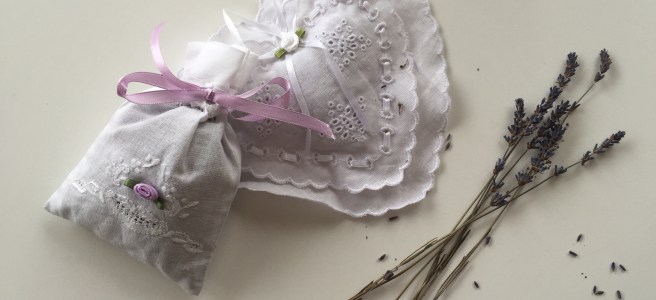
I then take several lavender filled bags or pillows that contain dried lavender flowers, if the scent has faded I add a few drops of lavender oil to freshen them up. I also sprinkle a few drops of cedar wood essential oil as this is another oil that deters moths, (cedar wood oil is dark brown in colour, so you may want to avoid staining the material on the lavender bags, in that case just add a few drops to tissues). Tuck the lavender bags evenly among the clothes in their suitcase or storage bag and close securely.
I don’t think anyone likes the smell of mothballs and even if you’ve never had moths this is still a worthwhile ritual as it keeps your clothes fresh and smelling lovely when you bring them out next season…
If you don’t have any lavender bags you can sprinkle the oils onto tissues and place them in the storage bags. Alternatively, you can purchase some from Mayfield Lavender.
These ones are way too pretty for me to pack away so I generally keep them in my draws, with my bed linen or on hangers in my wardrobe so I can appreciate them daily.
Since lavender has so many other amazing properties including supporting a restful night sleep, I also hang a lavender bag on my bedpost, or under my pillow so that I breathe in the scent as I lay down to sleep.
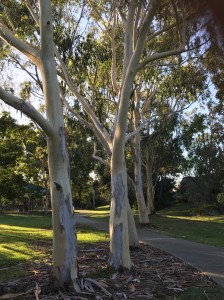
One of the many things I love about essential oils is how the effect on our body is connected to the plant itself and that plants action in life. Trees produce oxygen by their mode of respiration which supports us with our respiration, so, it seems natural for the essential oil from trees to support conditions that affect our respiratory system, like colds and coughs. When you breath in essential oils you can feel it in your body immediately, and this is particularly prominent with tree oils such as eucalyptus and pine. You can feel them cleaning and clearing as they pass from the tip of your nose deep down into your lungs. I feel my chest expand, even my posture changes and I will naturally be more open and stand taller – just like a tree.
Eucalyptus trees.
Everything is connected so it goes beyond the respiratory system, but it’s a good example of feeling for yourself in your body, how the oils can support.
Frankincense & myrrh have a less fierce action on the respiratory system, much more calming, helping to bring a gentleness back to your breath. They are a great support for conditions such as asthma, panic attacks, stress, anxiety and for use in meditation.
Frankincense is a great oil to scent the room with when you’re taking a moment to breath gently. Myrrh has a much subtler smell so is not so prominent in a burner, it’s quite sticky too so may be best avoided in diffusers incase it damages. I prefer to massage this into my wrists to support connection with myself. Click here to read my blog on using myrrh in this way.
Frankincense and myrrh are also examples of how essential oils can act on our bodies in the same way they do so as a tree in life. The essential oil comes from the resin that is produced by the tree when the bark is cut or injured. The resin is a sticky, thick, goo that covers the affected area and then hardens to seal and protect the damaged site, it’s a bit like the way humans bleed and form a scab to protect their bodies when the skin is broken.
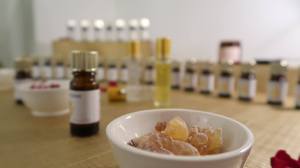
Frankincense resin.
Can you see why frankincense and myrrh are used in skin care? The resin is healing the tree and the oil that is produced from the resin is used for it’s healing properties on our skin. Frankincense is one of the most popular ingredients in many skin care products. Myrrh is particularly affective in helping festering and difficult to heal wounds, especially in the mouth -it’s useful for mouth ulcers and popular in oral care for this reason (see my blog on gargling with myrrh for more details). I also like to use myrrh on dry, hard, cracked skin, it’s the base of my blend for scars and usually appears in the skin care products I make -it has recently been working wonders for a client with bed sores.
Benzoin is similar to frankincense and myrrh, it is a tree that produces a resin that is made into an essential oil. It is very protective to the skin but has a very pleasing vanilla like scent that makes it particularly comforting to use for stress and anxiousness as well as in skin care.
I find that even the character of trees confirms how they work on the body. Large, tall strong trees like pines and firs and huge eucalyptus trees with tonnes of leaves are very expansive to the respiratory system, powerfully cleansing and clearing. Whereas the more delicate small trees like frankincense and myrrh work in a gentler way, supporting reconnecting when you feel out of sorts. Both are very powerful but different in action, a reflection of ourselves as humans; we all have different strengths and qualities that offer support in different ways.
Boswellia carteri – the tree that produces frankincense essential oil from its resin.
You could not compare the delicacy of a flower that may last a few days or weeks to the strength of a huge oak that could live for generations. One is not better than another, for each brings a natural beauty that is needed. In this same way, we can appreciate each other for our natural qualities, we all have something to bring to this world of value and it is a true gift for humanity when we share ourselves in full.
Fruit & Nut Balls (AKA Mini Christmas Puddings) – Recipe
These delicious fruit & nut balls are super simple to make with the added benefit of being raw (no cooking needed), gluten free, vegan, dairy free & sugar free! (the dried fruit makes them sweet enough).
Ingredients:
80g – golden sultanas
50g – dates
60g – dried cranberries (without added sugar)
50g – dried apricots (brown ones if you can as the orange ones have preservatives in)
130g – ground almonds
50g – walnuts (or another favourite nut)
8 drops – Orange Essential Oil (must be food grade) or an essential oil of your choice*
1 table spoon –Olive Oil
A dash of Cinnamon, Clove, All Spice and Nutmeg (powder)
1 table spoon Ground flax seeds (optional)
A sprinkle of finely ground desiccated coconut to decorate.
You could use any essential oil* you like to flavour these, some other suggestions that work well include peppermint, mandarin or geranium. You could also try a combination e.g. orange & geranium, lime & peppermint but keep the total number of drops as 8.
Instructions
Place all of the fruit & nut ingredients into a food processor.
Add 8 drops of the orange essential oil to a table spoon of olive oil. This helps even distribution of the essential oil.
Add the oil to the other ingredients in the processor and blend until the mixture comes together. If the mix is too dry and not sticking together, add another dash of olive oil.
Shape in to balls by rolling in the palms of your hands and place into mini cake cases. I weight out about 30g of mix to get even sized balls.
Finish off by using a sieve to sprinkle finely ground desiccated coconut over the tops or roll in sesame seeds.
Safety Considerations
*Essential oils must be 100% pure, organic and unadulterated to be suitable for use in flavouring foods – Essential Oils & You are suitable.
When flavouring food, the amount of essential oil needed is very tiny.
Never ingest essential oils for health purposes without advice from a professional,
essential oils are not water soluble, so do not put drops in a glass of water to drink – this means neat essential oil is exposed to the delicate lining of your digestive system which can be dangerous, and can be a burden to your liver for detoxing.






















 Essential Oils and You