How to Take Care of your Clothes with Essential Oils.

A change of season means a change of wardrobe, what ever side of the planet you’re on you are bound to be experiencing the change in seasons, whether it’s time to pack away your warm jumpers and winter coats or say goodbye to summer dresses and cool T-shirts, essential oils are a sweet smelling and practical way to look after your clothes.
IMG_5390

If you’ve ever experienced an attack of moths on your favourite cashmere jumper then you will be sure to take extra care when you store your knitwear and silks away for several months. Here are a few tips to help protect your clothes and ensure they reappear in one piece, smelling fresh when you unpack next Spring/Autumn…

It’s advisable to give everything a wash before you pack them up and as a side note, if you haven’t worn them all season, consider getting rid of them, there are so many benefits to de-cluttering your wardrobe! I add a few drops of lavender essential oil to my washing powder for a little touch of freshness and since lavender oil deters moths it is a great smelling start to the process.

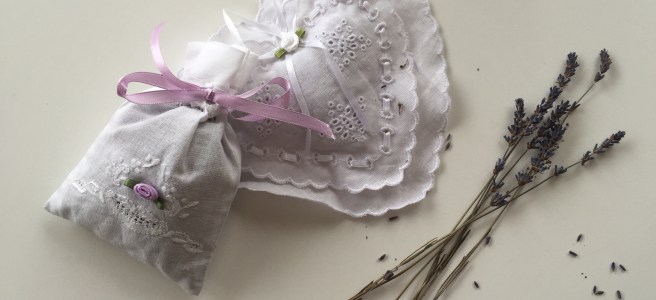
I then take several lavender filled bags or pillows that contain dried lavender flowers, if the scent has faded I add a few drops of lavender oil to freshen them up. I also sprinkle a few drops of cedar wood essential oil as this is another oil that deters moths, (cedar wood oil is dark brown in colour, so you may want to avoid staining the material on the lavender bags, in that case just add a few drops to tissues). Tuck the lavender bags evenly among the clothes in their suitcase or storage bag and close securely.

I don’t think anyone likes the smell of mothballs and even if you’ve never had moths this is still a worthwhile ritual as it keeps your clothes fresh and smelling lovely when you bring them out next season…

If you don’t have any lavender bags you can sprinkle the oils onto tissues and place them in the storage bags. Alternatively, you can purchase some from Mayfield Lavender.

These ones are way too pretty for me to pack away so I generally keep them in my draws, with my bed linen or on hangers in my wardrobe so I can appreciate them daily.

Since lavender has so many other amazing properties including supporting a restful night sleep, I also hang a lavender bag on my bedpost, or under my pillow so that I breathe in the scent as I lay down to sleep.

Click here to read more on how to use lavender oil to support sleep and how to scent your car naturally.

For tips on de-cluttering your life check out Lightly Love.

Lav bags group 1 small

How to use Essential Oils from Trees to Support our Respiratory System and in Skin Care.

One of the many things I love about essential oils is how the effect on our body is connected to the plant itself and that plants action in life. Trees produce oxygen by their mode of respiration which supports us with our respiration, so, it seems natural for the essential oil from trees to support conditions that affect our respiratory system, like colds and coughs. When you breath in essential oils you can feel it in your body immediately, and this is particularly prominent with tree oils such as eucalyptus and pine. You can feel them cleaning and clearing as they pass from the tip of your nose deep down into your lungs. I feel my chest expand, even my posture changes and I will naturally be more open and stand taller – just like a tree.

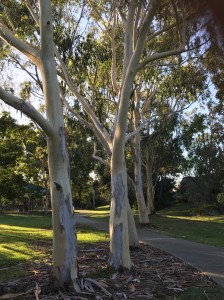
Eucalyptus trees.

Everything is connected so it goes beyond the respiratory system, but it’s a good example of feeling for yourself in your body, how the oils can support.

Frankincense & myrrh have a less fierce action on the respiratory system, much more calming, helping to bring a gentleness back to your breath. They are a great support for conditions such as asthma, panic attacks, stress, anxiety and for use in meditation.

Click here for links to free gentle breath meditation audios, they are quick, simple and a very practical support for real life.

Meditation_A-B0014-000481-CL-LR
Image care of Unimed Living

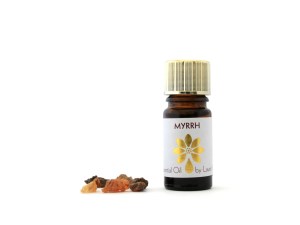
Frankincense is a great oil to scent the room with when you’re taking a moment to breath gently. Myrrh has a much subtler smell so is not so prominent in a burner, it’s quite sticky too so may be best avoided in diffusers incase it damages. I prefer to massage this into my wrists to support connection with myself. Click here to read my blog on using myrrh in this way.

Frankincense and myrrh are also examples of how essential oils can act on our bodies in the same way they do so as a tree in life. The essential oil comes from the resin that is produced by the tree when the bark is cut or injured. The resin is a sticky, thick, goo that covers the affected area and then hardens to seal and protect the damaged site, it’s a bit like the way humans bleed and form a scab to protect their bodies when the skin is broken.

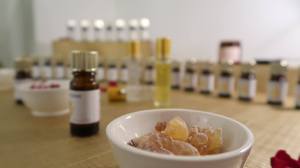
Frankincense resin.

Can you see why frankincense and myrrh are used in skin care? The resin is healing the tree and the oil that is produced from the resin is used for it’s healing properties on our skin. Frankincense is one of the most popular ingredients in many skin care products. Myrrh is particularly affective in helping festering and difficult to heal wounds, especially in the mouth -it’s useful for mouth ulcers and popular in oral care for this reason (see my blog on gargling with myrrh for more details).  I also like to use myrrh on dry, hard, cracked skin, it’s the base of my blend for scars and usually appears in the skin care products I make -it has recently been working wonders for a client with bed sores.

Benzoin is similar to frankincense and myrrh, it is a tree that produces a resin that is made into an essential oil. It is very protective to the skin but has a very pleasing vanilla like scent that makes it particularly comforting to use for stress and anxiousness as well as in skin care.

I find that even the character of trees confirms how they work on the body. Large, tall strong trees like pines and firs and huge eucalyptus trees with tonnes of leaves are very expansive to the respiratory system, powerfully cleansing and clearing. Whereas the more delicate small trees like frankincense and myrrh work in a gentler way, supporting reconnecting when you feel out of sorts. Both are very powerful but different in action, a reflection of ourselves as humans; we all have different strengths and qualities that offer support in different ways.

Boswellia carteri tree
Boswellia carteri – the tree that produces frankincense essential oil from its resin.

You could not compare the delicacy of a flower that may last a few days or weeks to the strength of a huge oak that could live for generations. One is not better than another, for each brings a natural beauty that is needed. In this same way, we can appreciate each other for our natural qualities, we all have something to bring to this world of value and it is a true gift for humanity when we share ourselves in full.

Rose Scented Oil – How To Make Your Own

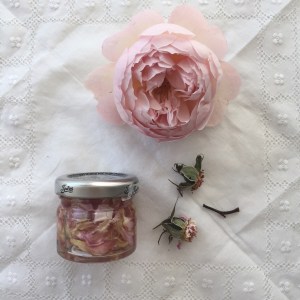
This is a very simple recipe for making your own rose scented oil. It is quite different from an essential oil which is made by steam distillation or solvent extraction (which requires about 1200 rose flowers to make just 20 drops of oil!), so much more practical as you don’t require vast fields of roses, nor specialised equipment.
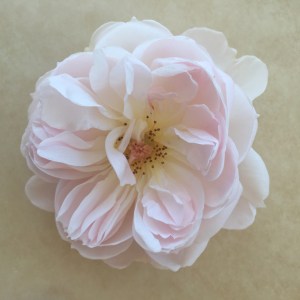
This process is called maceration and involves leaving rose petals in a carrier oil for a period of time until the oil takes on the scent of the roses.

Equipment:

  • Roses (strongly scented and chemical free)
  • Oil ( almond or jojoba oil- something that has little or no scent to avoid over powering the delicate smell of the roses, and that already feels lovely on the skin, my favourite is apricot oil). Click here to see more carrier oils.
  • Container (or Glass Jar with air tight lid).
  • Muslin Cloth

Instructions:

Make sure the rose flowers you collect have a strong scent and have not been sprayed with chemicals, as these will taint the final product – growing your own is best*. I have several potted roses on my balcony and for my test run I only used two flowers in a tiny jam jar, after 2 weeks of using a little on my finger tips as a face oil, I still have half a pot left.

Take the flowers when they are dry and have opened to their fullest, so you and the bees can enjoy them for as long as possible, then just nip them off before they start to wither. It’s best to do so when it hasn’t rained recently to avoid moisture.

Once you’ve harvested your rose flowers you need to remove the petals and lay them out to dry a little as any moisture could result in the oil becoming rancid. Avoid putting them in the light or sun, you can purchase an ‘air dryer’ or lay them on a tray and keep in an airing cupboard, this should be enough to lose the water in the petals but not the essential oil.

Collect the petals carefully and put them in the jar, you will naturally leave behind little bits of dust or grit as you pick them up, and there might be some you want to discard, any creepy crawlies should crawl away,  I actually found a few petals with creatures wrapped inside so they didn’t make it into a jar.

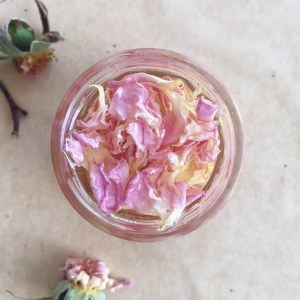
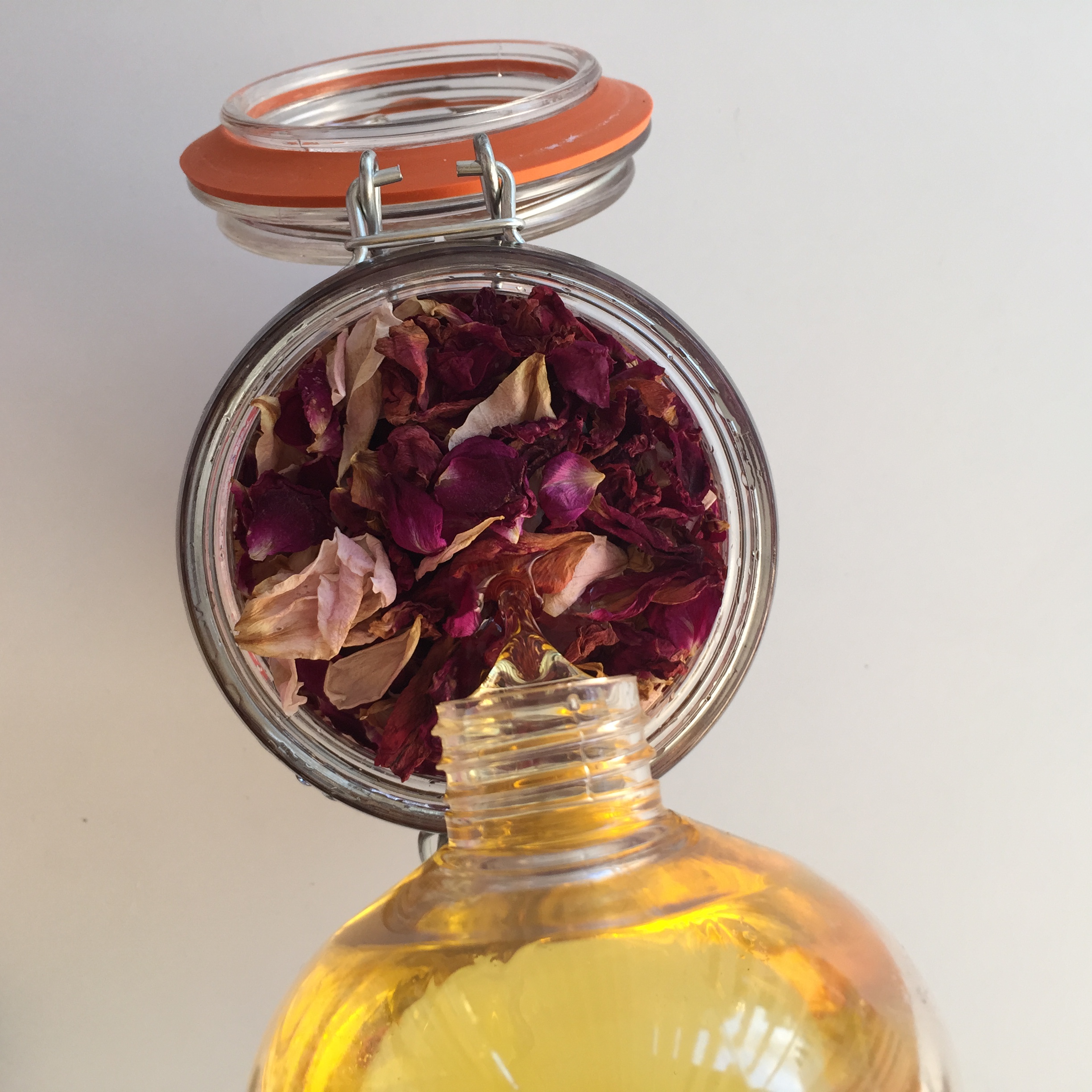
Fill the jar to the top with the dry rose petals, and the pour in the carrier oil. If you don’t have enough petals to fill the jar, use a smaller one, you want to just cover them with oil, and not leave any space for air. Check after a few hours to see if the jar needs topping up with oil, as the petals will start absorbing oil and may sink down into the jar.

rose oil

Seal the lid tightly and leave for 3 -6 weeks in a warm cupboard, away from light or sunshine (airing cupboard is perfect), shake the jar every day or when you remember incase any air bubbles form.

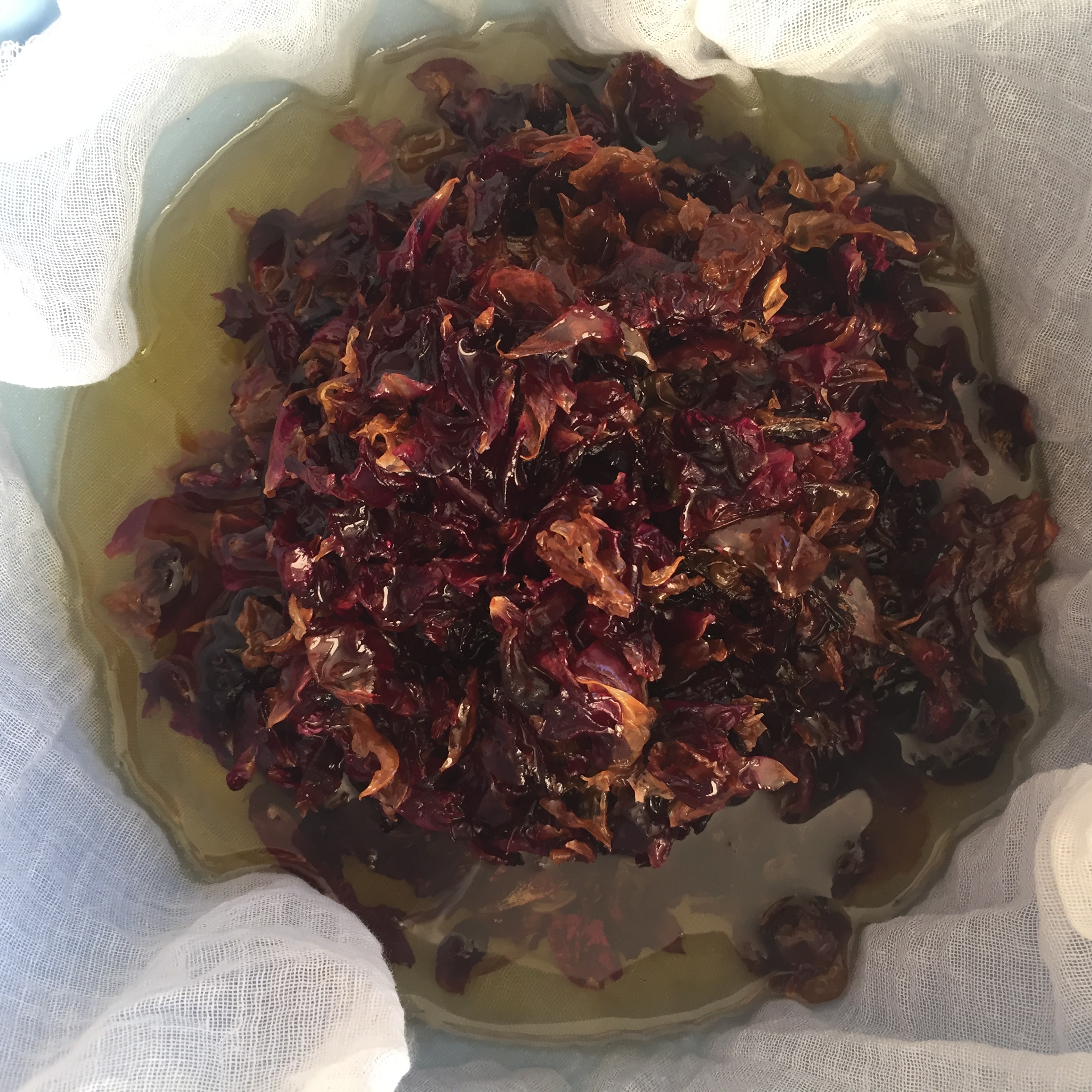
After at least 2 weeks, strain the spent rose petals through some muslin cloth, or a fine sieve, into a container (bowl, jug etc).

rose petal straining

Squeeze as much oil as you can from the petal pulp and you are left with a beautiful, delicately scented rose oil.

squeeze oil

Pure gold oil! You can repeat this whole process and add more petals to this oil for a more intense rose scent.

rose gold oil

This oil feels so precious to use on my face and body. You only need a tiny amount so it’s been well worth it -this last batch was made with a litre of oil so I have plenty to see me through until the next rose flowering season.  It has been delightful having petals drying throughout my home as the smell is heaven.

Tip: You can use your rose oil as an ingredient in making your own natural face cream, see here for recipe and instructions: Natural Face and Body Cream Making Workshop.

Feel free to ask any questions and to share your experiences.

*Growing your own roses – if you want to grow your own roses the David Austin website lets you know if the rose you are buying has a strong scent, Autumn is a good time to order bare root roses, they deliver at end of the year as literally bare roots with a little bit of twig but will still give you a harvest next Summer.

Remember you need to avoid spraying chemicals or fungicides to use them for making skin care products – there are various natural remedies for the inevitable bugs that invade roses, I am currently experimenting with a lavender essential oil and water spray – I will let you know how well this works… Edit – lavender water works well, but must be applied consistently especially when the buds are forming.

I have tried this process a few times now, and have also used flowers from two of my favourite roses that I have on my balcony, Gentle Hermione  and The Alnwick Rose, they have a fairly strong scent but I chose them just because they happened to be in bloom when I decided to make it, you can try using any rose that is scented and not sprayed.  I am planning on making one with a few different types of rose flowers, so as to create a combination of their scents. One of the most popular scented roses is Gertrude Jekyll.

Yarrow Essential Oil and How to make a Balm

FullSizeRender-32

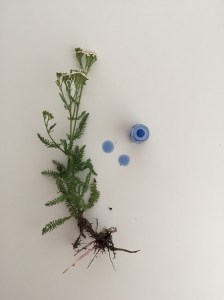
Many people are unaware that yarrow, Achillea millifolium, a common plant growing abundantly in British country side, actually produces a very powerful, useful and rather beautiful essential oil.

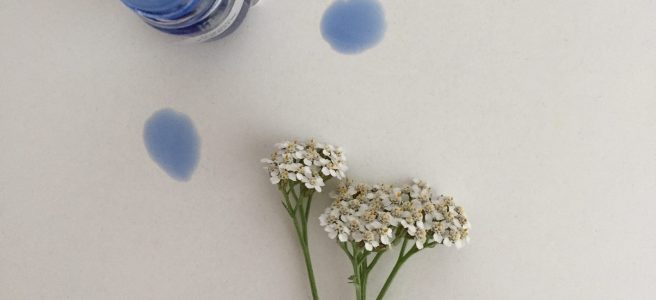
It’s an oil that stands out when you see its striking, ink blue colour, which is very unusual for an essential oil. The plant itself is made up of an umbrella of little white flowers, sometimes pink, but during the production of the essential oil a chemical called chamazulene is produced during steam distillation which gives yarrow essential oils its bright blue colour.

Most essential oils come in tinted glass bottles as they are sensitive to light, so it’s rare to see such amazing colours as in the below photo.

IMG_2100
Bright blue yarrow essential oil.

Chamazulene is also the particular component that makes yarrow so useful as it is anti-inflammatory in effect and therefore useful for any condition where inflammation is present, for example:

  • arthritis,
  • allergies,
  • bumps & bruises,
  • breaks,
  • gout,
  • skin rashes,
  • strains & sprains.

Even conditions such as period pain and back ache can be helped by using yarrow because of the presence of inflammation.

Yarrow & Lavender Balm Recipe – for pain and inflammation.

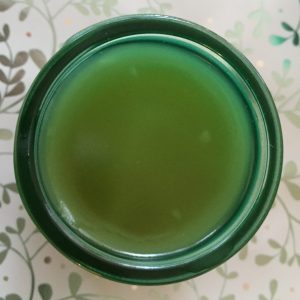
A balm is a very practical method of application for areas of inflammation. I would recommend applying this simple balm, made with yarrow and lavender essential oil, twice daily. Massage in very gentle anti-clockwise circles to the affected area, if the area is too tender to touch, or is an open wound then apply the balm as close to the site as is comfortable.

IMG_2184

Ingredients ~ to make 100 ml pot:

  • 10g beeswax
  • 10g shea butter
  • 80g or ml of base oil, e.g. Olive oil or Almond oil
  • yarrow essential oil – 40 drops (2ml)
  • lavender essential oil – 60 drops (3ml)
  • vitamin E (optional)

Caution ~ yarrow can contain a varying amount of camphor in it, which means it is advisable to avoid with epilepsy, in pregnancy, and could cause sensitisation in ragweed allergy sufferers.

See my blog on ‘How to make a Massage or Body Balm’ for full recipe instructions.

Blue chamomile essential oil, Matricaria recutita (also known as German chamomile) also appears blue in colour, it contains the same anti-inflammatory agent chamazulene and would be suitable for all of the above inflammatory conditions. Click here to purchase this essential oil.

See my blog on Lavender & Chamomile for Hay fever for more details.

How to use Cooling Peppermint Essential Oil for Sun Burn and After Sun Care.

sun burn treatment after sun gelI once had a peppermint bath, ‘once’ being the appropriate word here: it was at a friends house and there was a bottle of bubble bath in her bathroom that had peppermint essential oil listed as an ingredient, happy to have found an essential oil bubble bath, I poured some in and lay down into the bubbles. A very strange sensation then came over me. My skin was cool and tingling, even though the water was hot. It felt really weird, a bit unpleasant and I haven’t used peppermint essential oil in a bath blend since.

However, this cooling effect of peppermint essential oil is extremely useful in many other circumstances, it’s refreshing in tooth pastes, and tingling in lip balms but it really stands out as an effective ingredient in aftersun lotion and for treating sun burn.

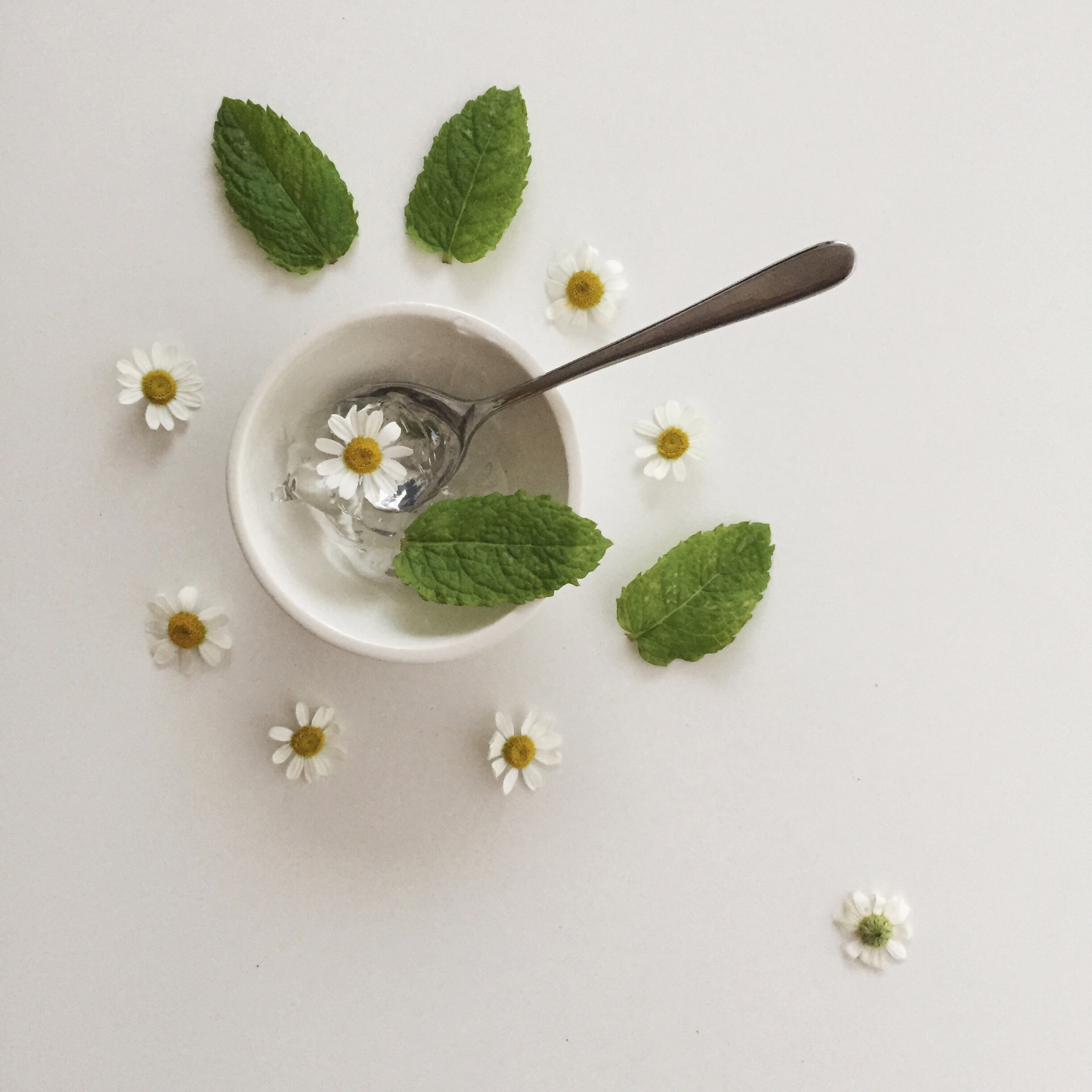
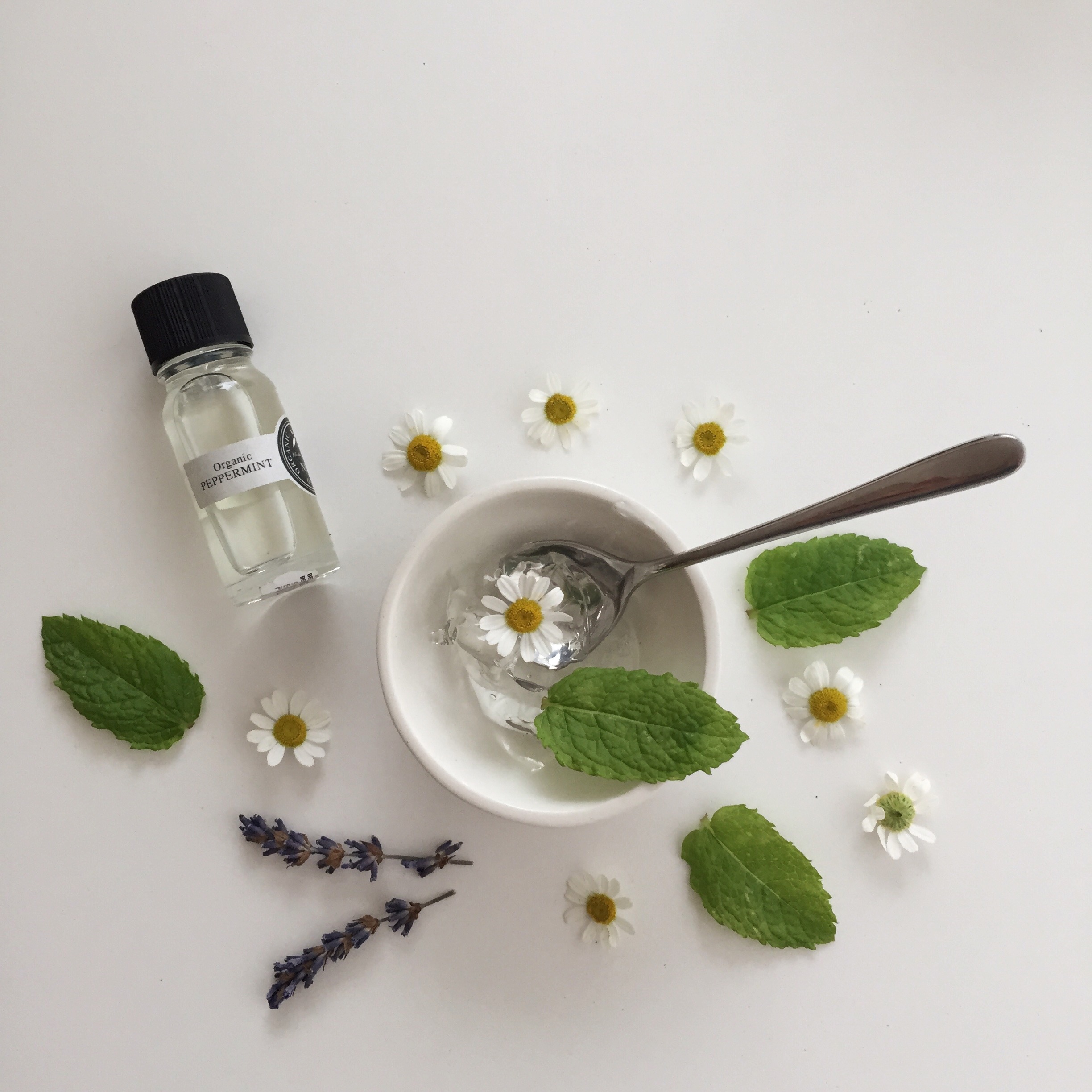
This is a simple recipe for a very effective, cooling gel for sun burn. It is blended with lavender, which is very effective for treating serious burns and pain relieving (it is actually used in hospital burns units), as well as German chamomile which has a powerful anti-inflammatory action. These three essential oils blended in a base of aloe vera gel which is hydrating, soothing & helps heal wounds, make for a powerful treatment for sunburn.

After Sun & Sun Burn Gel (2.5% blend strength)

peppermint essential oil for sun burn and after sun

Ingredients:

50ml aloe vera gel

5 drops peppermint essential oil*

15 drops lavender essential oil

5 drops German/blue chamomile essential oil – you can leave this out if it’s just for after-sun, and replace it with Roman chamomile essential oil which is more gentle, the scent is more pleasing and less intense.

Instructions: mix them all together and apply to the affected area.

Cooling Foot Gel

That cooling sensation is also really welcome for tired & weary feet,  you can use the same recipe above as a cooling foot gel.

Refreshing Shower Gel

For a cool, refreshing shower, just add a few drops of peppermint essential oil to your shower gel – see my blog: Blending everyday products with Essential Oils for how many drops to use.

It’s also a great digestive essential oil but I will talk about that in another post… in the mean time enjoy the cooling effects of peppermint oil.

*Caution ~ Do not use peppermint essential oil if you have cardiac fibrillation. Maximum blend strength 3%. Avoid use with babies.

You may also like to read A Pot of Fresh Mint Tea with the benefits of Essential Oils and Soothing Chamomile for Skin Conditions.

How to use Essential Oils on Holiday

essential oils on holidayInspired by the sprinkling of sunshine over the UK this week, it’s time to share some summertime essential oils, essential for taking on holiday.

Essential oils come in very small bottles so they are a practical addition to your luggage, even if you’re only taking cabin bags. However, it’s still worth considering which are the most useful ones to take with you, so this blog is to help you weedle it down to just a few essentials that will come in most handy.

The main issues or symptoms that are commonly experienced when travelling are: around the journey itself; skin care; insects and first aid, so here I have listed some specific symptoms, some appropriate essential oils and simple, practical ways to use them.

essential oils on holiday

TRAVEL

Travel sickness -cardamom, spearmint, chamomile (roman*)

Jetlag – peppermint, lavender

Anxiety (fear of flying) – neroli, lavender

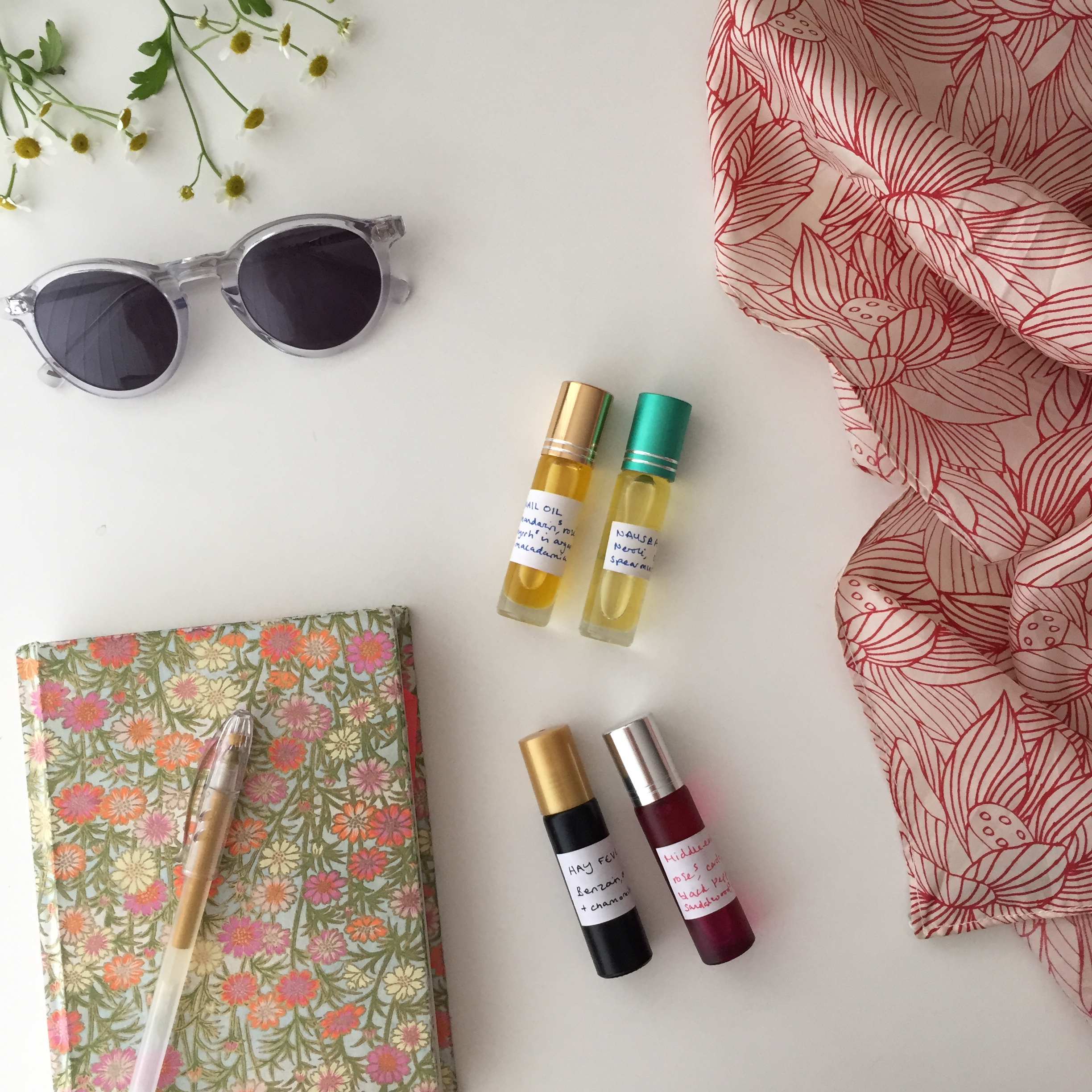
How to use – make a blend in a ‘rolette’ bottle (see how below) to roll across your wrists and tummy, or sprinkle a couple of drops on a tissue to keep in a pocket or in your bag and gently breathe in as a preventative measure or at the time of feeling the symptoms.

SKIN CARE

After sun skin care – lavender, palmarosa, chamomile (roman*)

Sun burn – lavender, chamomile (german/blue*), peppermint

How to use – blend in a base of aloe vera gel or add to your aftersun lotion, see my previous blog for Blending every day products – how many drops should I use?

INSECTS

Insect repellent – lemongrass, citronella, geranium, lavender or tea tree -use one or a combination of those you like the most.

How to use – blend in a base of aloe vera gel, add to your aftersun lotion, (see my previous blog for How many drops should I use?) or make a blend in a rolette bottle (see how below). Some of these essential oils combined would double as a perfume – I like geranium, lavender & lemongrass.

Insect bites – chamomile (german/blue*), lavender

How to use – apply directly to the affected area or as a blend in a ‘rolette’ bottle (see how below).

FIRST AID – Lavender

If you only take one essential oil on holiday make it lavender, it’s the most useful essential oil for most minor first aid situations.

It’s antiseptic, anti microbial & cleansing so ideal for first aid, it is particularly effective on burns, so great for skin care and after sun, it’s ‘insecticidal’ so will deter insects and is very relaxing and calming so it helps with easing travel sickness and tension.

It’s also nice to sprinkle a little in hotel rooms if they don’t smell lovely, especially on the pillow.

For more details on how to use lavender essential oil, see my previous blog on ‘Lavender, Essential First Aid’ .

rolette bottle

Rolette Bottles – here’s how to prepare a rolette bottle:

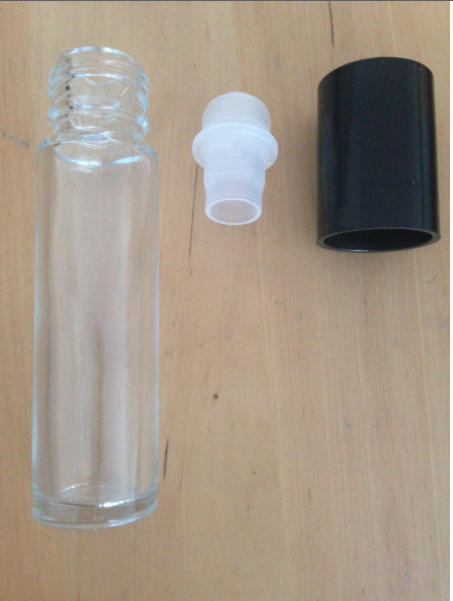
Using a ‘rolette’ bottle (as pictured) is very practical as you can keep it in a pocket or handbag and it is easy to use. It comprises of a small glass bottle (10 or 15ml), a roller ball top (that releases a little oil across the skin when you pass it over), and a cap.

Instructions

Fill the bottle with a base oil eg. olive oil, then drop appropriate essential oils directly into the bottle, if you have a 10ml bottle, then you will need between 2 and 10 drops of essential oil, see my previous blog for more details on How many drops should I use? Fix the roller ball cap and lid and give it a shake to disperse the oils evenly.  Make a label for the bottle so you don’t forget what it contains.

chamomile & blends

Holiday tip: Rather than take bottles of essential oils you could prepare the blends that you are likely to need in rolette bottles and take these with you instead.

* Chamomile roman or blue/german – There are two types of chamomile essential oil: roman chamomile is more gentle, and german/blue chamomile, which is deep blue in colour, is more powerfully anti-inflammatory in action. I have recommended the german/blue chamomile for sunburn and insect bites, but the roman chamomile is also suitable in each instance.

Click here to order bespoke blends of essential oils ready made for your holiday requirements.

Travel Tips: here’s a blog to help you in general with how to pack your suitcase: ‘Travel Suitcase – What to Pack?

A List of the most popular Essential Oils, their Uses and Cautions.

A list of the most popular Essential Oils, their Uses & Cautions (in alphabetical order).

To help you choose which essential oils to use in what ever you’re making, be it bath blend or room scent, here is a list you can refer to with some of their most useful properties and any cautions you need to be aware of.

I will be constantly updating this list, so if there are any essential oils that do not appear yet or that you would like more details on, then please contact me, or comment on the post and I can add to the list.

  • Basil (sweet basil) ~ Supports digestive problems, another great oil for a tummy balm blend. Read more on using basil in a digestive massage here: Digestive Massage with Essential Oils
    • Caution ~ Avoid in pregnancy (due to varied methyl chavicol/estragole content). Maximum 2% blend strength. 
  • Black pepper ~ Similar to eucalyptus in effect – powerfully clearing, specifically great for respiratory system, especially lungs. Also great for muscle aches & pains but black pepper is much more warming and gentle than eucalyptus. A lovely oil to use in the evening in a bath blend, or if you feel you are run down or ‘coming down’ with something.
    • Caution ~ possible irritant to some in high dose.
  • Cardamom ~ Gently soothing tummy aches and nausea, supports appetite and is refreshing and comforting. A great oil for children, for travel sickness or for morning sickness. Read more on using cardamom to soothe digestion here: How to get through December and still smell Divine… with the most Delicious Essential Oils!
  • Chamomile (german) ~ Very anti-inflammatory, so perfect for any condition with inflammation from bumps and bruises to arthritis and gout. It’s also good for skin inflammation especially bites, but Roman Chamomile ay be more suitable if it’s for delicate sore skin, as it’s more gentle.
    • Caution ~ Sensitisation possible, avoid with ragweed allergy.
  • Chamomile (roman) ~ Gentle, soothing and calming, great for very delicate skin, and skin conditions. Relieves itching, and allergies.  See my blog on Chamomile for Skin Conditons  for more details. A great oil for children.
    • Caution ~ Potential sensitivity to those with ragweed allergy.
  • Clove ~ Very powerful pain reliever, especially where there is nerve pain. Useful for toothaches and for warming and releasing aches and pains. Read more on using clove oil for cleansing the room here: How to get through December and still smell Divine… with the most Delicious Essential Oils!
    • Caution ~ Maximum blend strength 1%. Sensitisation possible. Caution with hyper sensitive, diseased or damaged skin & with blood clotting disorders. Not suitable for children under 2 years.
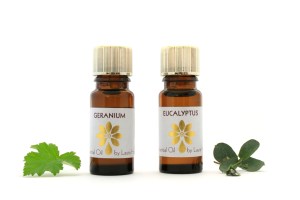
  • Eucalyptus (globulus) ~ Powerfully clearing, specifically great for respiratory system, especially lungs. Also great for muscle aches & pains.
  • Eucalyptus radiata ~ this species of eucalyptus is more gentle than the globulus, so I would use it with children, elderly, or if someone feels the globulus is too fierce.
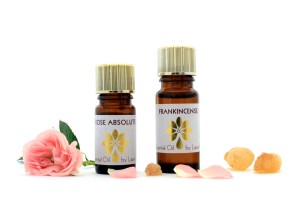
  • Frankincense ~ A fantastic skin oil, very good for dry and mature types. Also good for calming and focusing on breathing so very useful in a burner to scent the room and to help calm anxiety. Read more on using frankincense oil here: How to use Essential Oils from Trees to Support our Respiratory System and in Skin Care.
  • Geranium ~ Very sweet and feminine, balances the endocrine system, a great oil to use to support females cycles and any hormone related issues, including irregular periods and menopause. A very lovely, sweet and fresh oil for young women. Read more on using geranium oil here: How to Use Geranium Essential Oil to Support Women’s Health
  • Lavender (Lavandula angustifolia) ~ Powerfully cleansing and clearing. Helps clear stress and tension. Great for supporting sleep. Very anti-microbial and great natural antiseptic. Since lavender is so versatile, there are several blogs on using lavender to help you make the most of it:
  • Lemon ~ Cleansing and detoxifying, ideal for using in a face cleansing balm (with lavender). Fantastic oil to use in a burner to cleanse and brighten the atmosphere especially when someone is sick.
    • Caution ~ Phototoxic, meaning it reacts with sunlight (and sun beds), so avoid use on skin if exposed to sunshine. Citrus oils have a shorter shelf life, meaning they react with oxygen much quicker and can cause sensitisation and irritation.
  • Mandarin ~ Very gentle to the skin, soothing and calming, a lovely one to add to an evening blend or for use in a blend for stretch marks. A great oil for children. Click here for the stretch mark balm recipe including mandarin oil: How to make a Stretch Mark Balm
  • Myrrh ~ Deeply healing skin oil, especially for festering, difficult to heal wounds.  Great for connecting to and supporting breathing very gently. See my blog on Myrrh Essential Oil for more details and Gargling with Myrrh for oral problems.
    • Caution ~ Avoid in pregnancy, although can be useful in 3rd trimester to prepare for birth -seek professional advise here though.
  • Neroli (orange blossom) ~ Apart from smelling completely beautiful and delicate, it is very soothing and calming to the nervous system, and so has an amazing effect on all that the nervous system controls, so this would include digestion, muscle tension & emotions. It is a great oil for melting stress, and anxiety.
  • Peppermint ~ Great for muscle aches and pains, sometimes has a tingling sensation, great for refreshing feet. Supports digestion, would make a great tummy or foot balm. Read more on using peppermint oil in a digestive massage here: Digestive Massage with Essential Oils
    • Caution ~ Do not use if cardiac fibrillation. Maximum blend strength 3%. Avoid use with babies.
  • Rose (Rose otto – Rosa damascena or Rose absolute – Rosa centifolia)~ Deeply nurturing, great for those self-loving moments. Very supportive for women and men. A gorgeous oil to use in beauty and skin care, particularly for mature and dry skin. Rose is one of my favourite oils so here are a few blogs to learn more on this exquisite oil:
  • Thyme (Mild – Thyme linalool)~ Powerfully anti-microbial, and anti-fungal, great for coughs, especially deep chesty ones. A fantastic oil to include in a blend for athletes foot.
    • Caution ~ Use this mild version of thyme. Avoid use on hyper sensitive or damaged skin. Do not use with children under 2 years. Maximum blend strength 2%.
  • Yarrow ~ this unusual bright ink blue oil is highly anti-inflammatory and is great for any conditions where inflammation is present e.g. gout, arthritis, allergies, pain, breaks, strains. See my blog on Yarrow Essential Oil for more information.
    • Caution ~ yarrow can contain a varying amount of camphor in it, which means it is advisable to avoid with epilepsy, in pregnancy, and could cause sensitisation in ragweed allergy sufferers.

Note: Always ensure you buy good quality essential oils from a trustworthy source. Check out my own range of carefully sourced essential oils from organic farmers and artisan distillers: Essential Oils by Laura Hoy

How to Gargle with Myrrh Essential Oil

Gargling with an essential oil is useful for helping various oral health issues, but it’s important that the essential oil is diluted in olive oil (or another base oil) before being added to the water as the essential oil doesn’t dilute in the water itself and is too concentrated to be in direct contact with the delicate lining of your mouth.

There are two recipes here, one is for acute oral health conditions, where you would use a higher dilution for a period of a few days while the condition clears, for example: sore throats; coughs; chest infections; mouth ulcers; laryngitis; gum disease; halitosis and oral thrush.

If you want to use the gargle as part of your day to day mouth care routine, then use the lower dilution recipe, this would be suitable to use after cleaning your teeth for general mouth health & fresh breath.

Mouth Gargle Recipe – dilution for intense treatment:

All you need is a trusty egg cup (or any little container to hold enough water for a mouth full),

  • two drops of myrrh essential oil (or lavender essential oil – or one of each)
  • half a tea spoon of olive oil (3ml)
  • some water (enough for a mouthful),

Instructions:

Add two drops of myrrh to the olive oil and blend evenly. Fill the egg cup or small container with water, and add the mix of olive & essential oil, then take the water into your mouth, and gargle for as long as you can.  Do not swallow.

Mouth Gargle Recipe – dilution for general every day use:

Use the following recipe for a natural mouth wash after cleaning your teeth:

  • one drop of myrrh or lavender essential oil – use peppermint essential oil for an extra fresh feeling.
  • one tea spoon of olive oil (6ml)
  • some water (enough for a mouthful).
Click here to buy Myrrh Essential Oil
Click here to buy Lavender Essential Oil.
Click here to buy Peppermint Essential Oil.

How to use Myrrh Essential Oil – Connection and Massage

Myrrh essential oil is a great oil for supporting connection with self, its subtle aroma encourages a level of stillness to allow an appreciation of the scent. Gently massaged around your wrists brings focus to this delicate area of the body. The oil is made from a resin produced by the Commiphora myrrha tree; when the bark of this tree is damaged or cut the resin is released to seal the wound and this action is mimicked by the essential oil which is used in deep and difficult to heal wound care.

leonardo-da-vinci-paintings-and-drawings-hands-of-mona-lisa-1503

I wanted to share my recent experience of using myrrh essential oil in a cream, or an oil, and massaging it into my wrists. My wrists feel very delicate and precious, and it becomes natural to do this massage very tenderly and to really take the time to feel my wrists.

My wrists seems to be a piece of my body that in the past I hadn’t given much focus to. A friend of mine, Chris James, made a point of getting people to feel their wrists during one of his workshops (his workshops are an amazing way to really connect with your body and your self).  He literally kept saying ‘Feel Your Wrists’ throughout the entire weekend.  It resonated with me and I started to notice many points through out my daily life that my wrists were being used.  Right now as I type on my key board for example, and when I’m driving in my car, these were initially two very obvious moments that were easy to bring attention to my wrists during the day.  As I began to notice them more, I actually realised how rough and careless I could be with them, the way I picked things up, closed doors or dried them in a hurry and I became aware of aches and discomfort. When I noticed this, I’d consciously take a moment to let go of any tension and let my wrists go floppy. Now, if I’m in  my car and stuck in traffic or at lights, then I often turn my wrists over as gently as I can and then back again or I notice if I’m holding the steering wheel with tension, and let my hold become more relaxed. When I’m at work I have a ‘wrist guard’  and a ‘mouse guard’ which is a foam pad to support my wrists as I’m typing, it lets my hands drop down, which feels more supportive to me.  I have recently incorporated a specific stretch for my wrists and hands during my morning exercises, all very simple ways to support my wrists.

It still took some time before I actually sat down to do a massage though, as there was something uncomfortable about massaging my wrists, it feels like such a tender, sensitive part of my body.  I knew I was avoiding it, so I began with just holding or feeling my wrists and then just massaging them without any cream or oil if they ached.

Divinities Touch by Kelly Basford

Eventually I decided I wanted to give my wrists that extra bit of care and attention and I began by mixing a couple of drops of myrrh essential oil into a pot of cream (see my blog on how many drops to use in a blend).  Myrrh is a particularly viscous oil and it can take a really long time for a drop to fall from the bottle* so this process encouraged me to be present and if I noticed I was impatient, then I’d know I really needed to slow down and let the drop fall naturally.  The massage itself only takes a few moments, and I generally apply a little cream in anti-clockwise circles, when I’m in bed in the evening.  Sometimes they feel tender, sore or achey, and I  just notice this, and except that I have been using them a little too harshly and this awareness generally leads to naturally becoming more gentle when I use them.

I’ve been bringing focus to my wrists (as well as hands and finger tips) for some time now, and looking back over the last year, I can really appreciate how the more attention I have bought to this part of my body, the more gentle I have become with them.  It’s in the way I wash my hands, apply lotion afterwards, the way I close doors, chop vegetables, the way I open boxes or do the washing up. I feel the flow of this gentleness beyond my wrists, it’s up my forearms, across my shoulders and even in the way I use my whole body. I am more aware and more gentle than in the past and it continues to deepen. I can really appreciate how beautiful my wrists, hands and fingertips are and often enjoy moving them with grace and delicacy as if I’m dancing.

See my previous blog posts Taking care of your hands and Essential Oils in Hand & Nail care for more related reading.

Click here to buy Myrrh Essential Oil.

*Please note that myrrh essential oil oxidises very easily -this means that it reacts with oxygen, and it actually becomes very very sticky and stiff, so although you do need to be patient when dropping it from the bottle because it is thick, it is possible that it will oxidise and at some point will no longer drop from the bottle. In fact it can reach a point where you can’t get the lid off. Mine never usually lasts this long, but it would depend on how much it is exposed to the air, or if the bottle is close to empty then there is more air that it can react with.

CAUTION: Myrrh essential oil should not be used during pregnancy, I would recommend replacing myrrh with another essential oil to support your wrists for example, rose, frankincense or lavender. In fact, even if you are not pregnant, you may choose another oil that you feel helps you connect or that you particularly enjoy.

How to make Fresh Mint Tea and Appreciate the Benefits of Essential Oils

I recently ran a workshop and used a mint plant to illustrate what essential oils are and where they come from.  In the case of peppermint the essential oil is held in the leaves of the plant, and literally brushing your hand over the leaves is enough to release the essential oil, which in turn releases the scent.  Peppermint is a great oil that really supports digestion and sometimes just the initial smell from the plant can stimulate our appetite, make our mouth water and our tummy rumble as our body releases various digestive enzymes in preparation for eating.

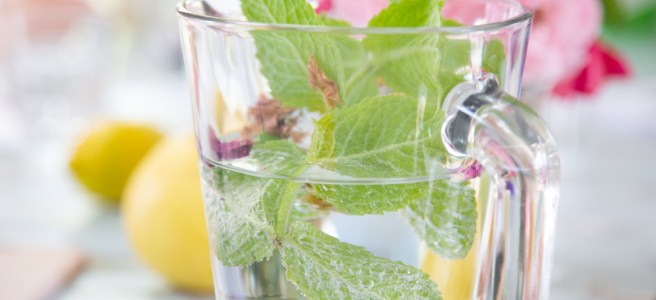
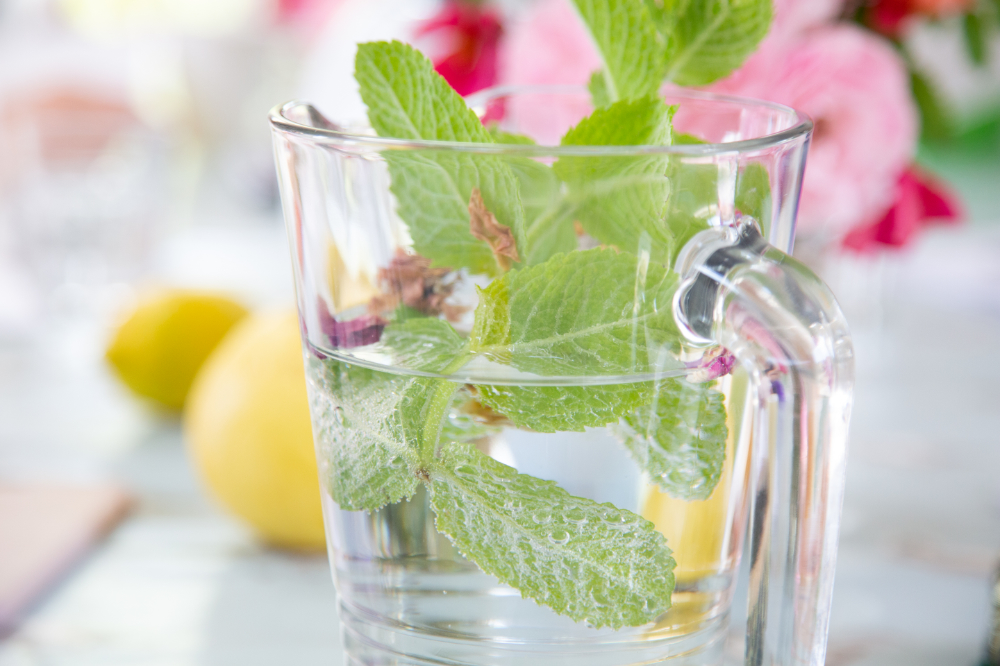
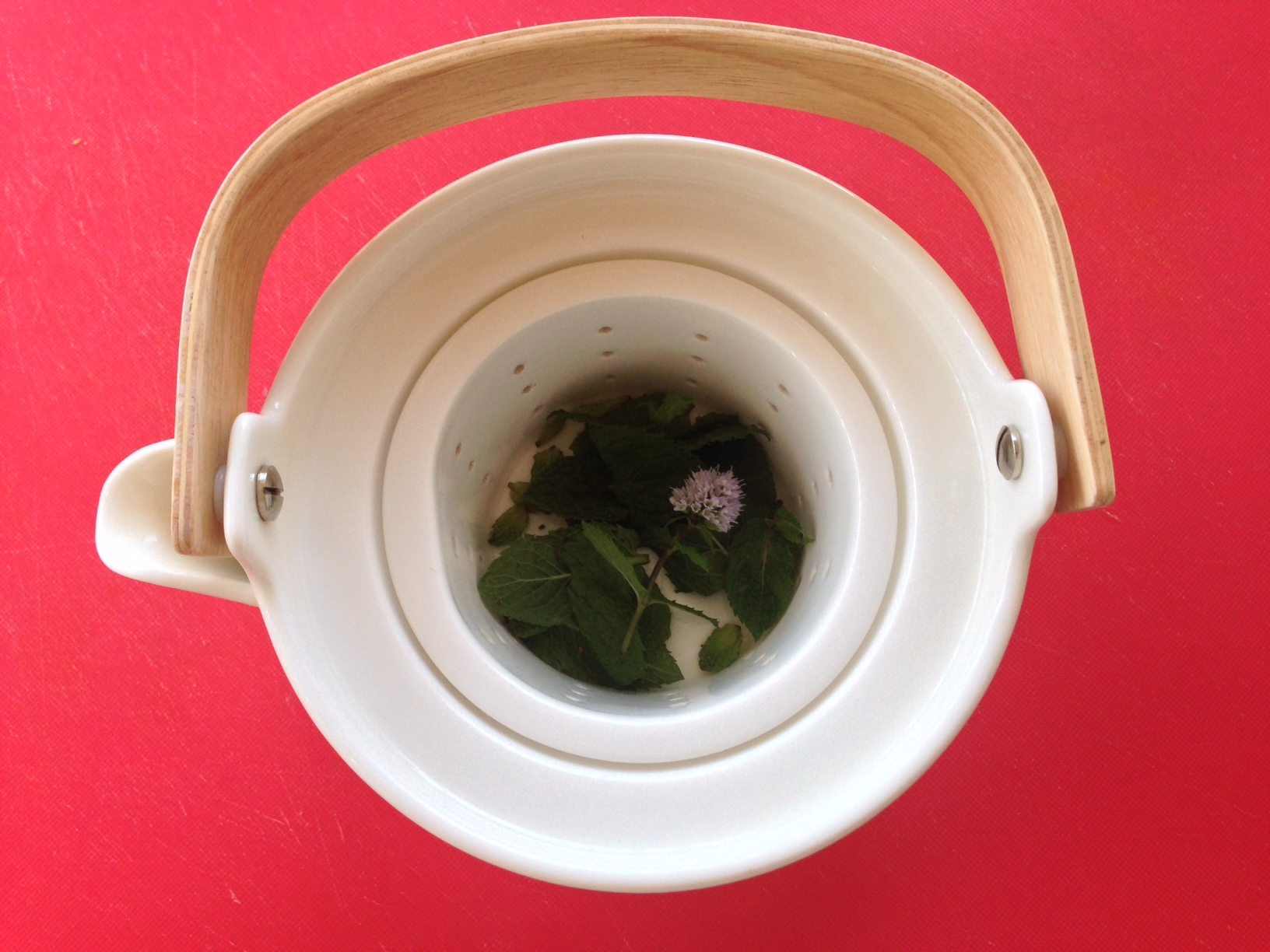
Fresh Mint Tea – a cup of mint tea is a great way to use peppermint regularly to support your digestion.  Dried herbs which are usually used in herbal tea bags will contain a very small amount of essential oil which is why they don’t smell as strong as when fresh. So making a pot of mint tea using the fresh leaves from the plant will ensure you experience more of the benefits of the essential oils.

If you don’t happen to have a mint plant in your garden or close by to harvest from, you can buy a bag of fresh mint from most supermarkets, or a pot from a garden centre would be handy for regular use. All you need to do is pluck a few leaves from the stems, give them a rinse and pop them into a tea pot. I like mine strong so I usually use around 10-20 leaves, then add boiling water and let it brew for at least 5 minutes.  It’s very refreshing, and I’m sure you will appreciate the difference compared with using a peppermint tea bag -I’m really not a fan of tea bags, but if it’s all you can get hold of, it’s still worth making it in a tea pot, because the boiling water releases the essential oils from the plant material in the steam, and once you have the lid on the tea pot you capture the precious oils to enjoy more fully when you pour.  It also feels much more nurturing to have made a pot, I like the ritual of making the tea, taking the time to let it brew, choosing the cup, and I love drinking it when the temperature is just perfect.

When I go out to a restaurant or café, I often ask for a fresh mint tea at the end of the meal, as it supports digestion.  Even if they don’t advertise it on the menu, they will usually have some fresh mint in the kitchen and are usually willing to make up a pot for me -so much nicer than a tea bag.

The essential oil is much more potent than the leaves of the plant, so if you want a more powerful effect to support more serious digestive complaints you can actually buy capsules that contain peppermint essential oil in, which can be very effective.  Peppermint tea will still be very supportive for conditions such as constipation, IBS, bloating, indigestion. You may also like to read my blog on digestive massage for these symptoms.

Lemongrass tea by Spice & Smile

Some other delicious teas to support you… Lemongrass Tea – for a lovely, light, slightly sweet tea, try this recipe for lemongrass tea by Thaïs from her beautiful blog Spice & Smile , again you will be benefiting from the lemongrass essential oils in this and it’s a great one to help with bloating.

Lavender or Chamomile tea – to support winding down in the evenings you can make a fresh floral tea with flowers from lavender and chamomile plants as they are all soothing and calming in effect. Lavender can be a bit bitter, so I prefer to mix it with something like mint or liquorice.

Rose petal tea – a few rose petals mixed with a fresh mint tea is a particularly good combination, a couple of rose buds is enough to compliment the mint, or half a tea spoon of petals. Make sure the rose petals or buds are suitable for consumption and for use in tea. You can purchase the roses and other herbs for use in tea from Fiona Pierce at www.loveinacup.co.uk

For some gorgeous inspiration on cleaning your tea pot & making yourself shine, read this beautiful blog: Aladdin’s Lamp – Cleaning a Tea Pot.

CAUTION: Do not ever put drops of peppermint essential oil (or any other essential oil) into a glass of water and drink it! This is extremely dangerous practice that is advised by unprofessional or untrained persons.  Essential oils, in their undiluted form are highly concentrated and by nature hydrophobic, meaning they do not mix with water, therefore the very delicate lining of your digestive system is exposed to the concentrated peppermint essential oil. Even if there are no immediate problems, it can be causing issues that become apparent after time.