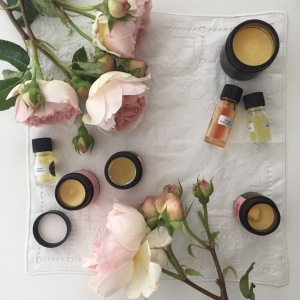
How to Take Care of your Hands with Essential Oils

Be delicate, tender and gentle with your hands.

A few years ago I noticed my hands getting a little bit cracked and battered, I have very sensitive and soft skin and it was starting to split around the finger tips from all the bottling and pouring I do at work.  I had experienced this on and off before, but this time I was a little more conscious that it was showing me I hadn’t been taking care of them.  I had stopped using moisturisers on my hands years earlier, as it is an area I’m prone to getting eczema on, and many contain perfume, alcohol and other potential irritants.  But, now they were shouting out for some nourishment, so I made up some simple moisturising creams and ensured there was one in my bathroom, and one at work, so each time I washed my hands throughout the day I gave my hands a little love. I was absolutely amazed that within 2 days, my hands had literally transformed, completely soft and smooth again.  Such a simple addition to my daily routine and of course the action of massaging a lovely cream with essential oils in was another nurturing moment in my day. It was only a short moment after a trip to the bathroom or washing up so it certainly wasn’t taking up a lot of time in my day, but the difference made a huge impact on my day and the way I look after my hands, especially the way I do things with my hands, like unscrew caps, and shut doors, I generally just want to be more careful and gentle with them.

Here are a few blends that I particularly like for the hands; I have specified the number of drops for adding to 100ml container of cream, if you have very sensitive skin then half the amount of drops.

Protective and soothing blend, so great for sensitive skins.

Benzoin 10 drops, mandarin 20 drops and roman chamomile* 6 drops – * avoid with allergies to the daisy family.

Deeply nourishing blend, so perfect for very dry, cracked hands in need of some serious care.

Myrrh 16 drops, palmarosa 10 drops and rose 8 drops

Cleansing and anti-microbial blend, great for really mucky hands.

Lemon 10 drops, lavender 20 drops and rosemary 5 drops

For various sized pots of cream you can refer to the following blog post link to see how many drops you should use: Blending Instructions

Shea butter – for extremely dry cracked hands or hands that are constantly under pressure, you could try using just shea butter. It’s quite thick, so will need warming to soften and spread over the skin, but it has a very nourishing and protective quality. I recommend it to clients that are working consistently with their hands for protection, for example gardeners.

Make your own balm to support and care of your hands, click here for balm recipes.

Make your own natural hand cream using my recipe in the following blog post from my Cream Making Workshop:

I love playing around with different creams and flavours but even choosing a cream you fancy from the supermarket will make all the difference to your lovely, well used, hands and fingers.

Top tips for taking care of your hands:

ALWAYS use washing up gloves when washing up, even if it’s just one cup or spoon, as putting your hands in and out of water especially with washing up liquid in can dry them out! My favourites are from the brand Bizzybee and the ‘luxury household’ type feel absolutely gorgeous inside, it is a real treat putting my hands in them.

Why is gentleness important? photo care of Unimed Living

ALWAYS use gardening gloves when gardening.

ALWAYS be delicate, tender & gentle with your hands.

Click here to read more on how to take care of your nails with nourishing carrier oils and essential oils.

For more support read a beautiful article that helps us recognise what gentleness feels like in our body and asks Why is Gentleness Important?

How To Make Your Own Natural Face and Body Cream

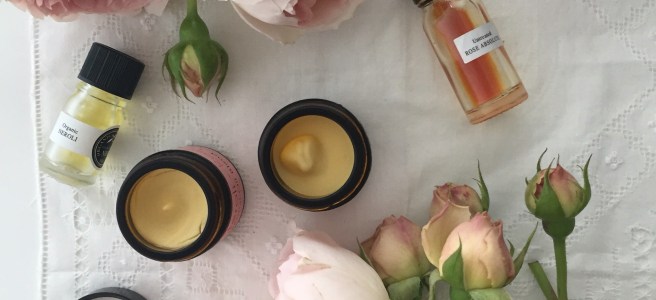
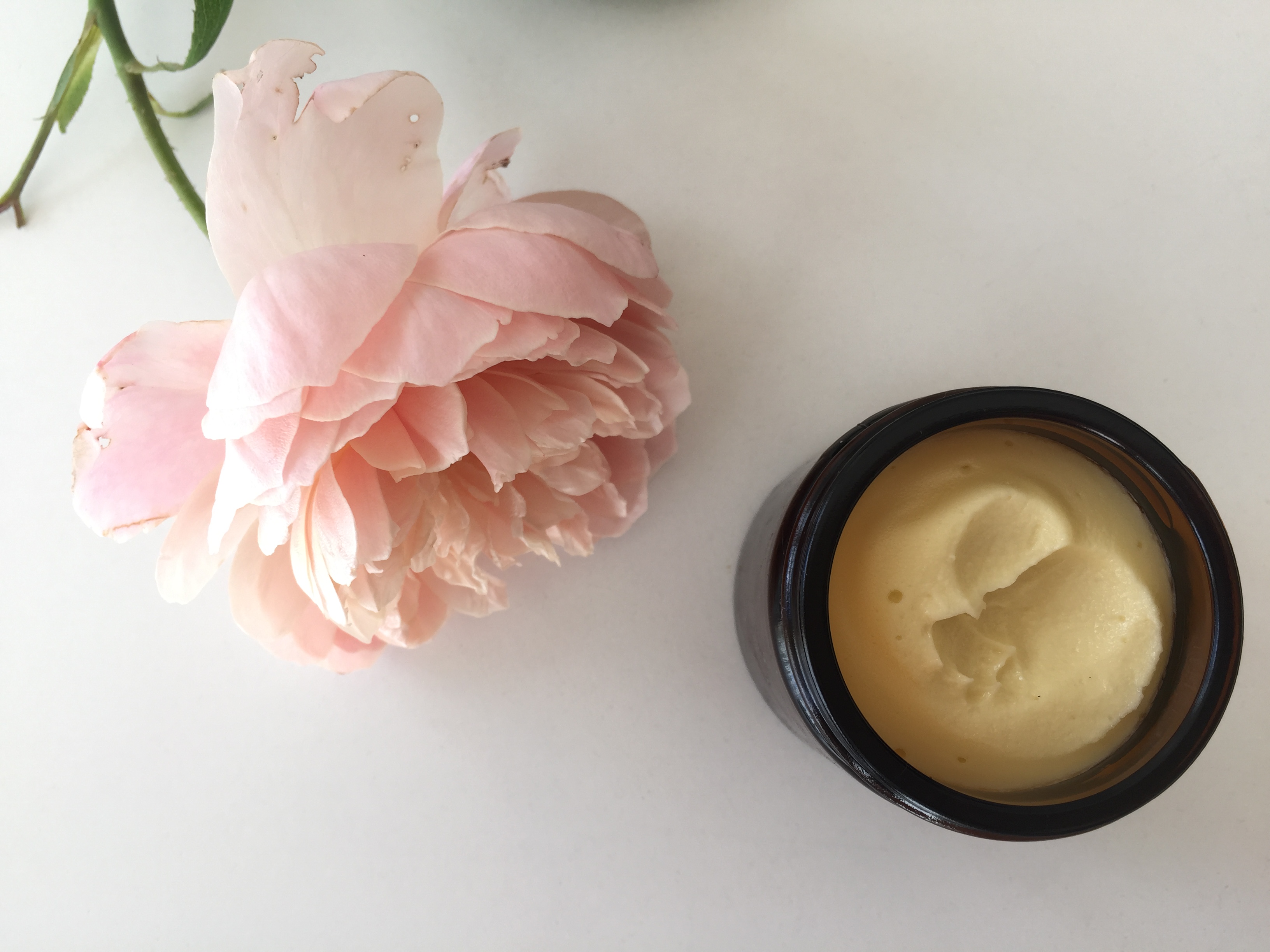
rose creamsThese are the notes from one of the workshops I regularly run, with instruction on how to make your own completely natural face & body cream, with out chemical emulsifiers or preservatives. Please ask any questions as these notes are designed to go with a practical session, but they should be clear enough for you to re-create your own version of this yummy cream yourself…

Introduction – During the workshop we will go through the process together of making your own completely  organic, natural face and body cream, without using any chemicals, emulsifiers or preservatives.
cream 3

When the cream is ready, and you have your own pot to take away, you can choose to mix in essential oils or not, and if so, you can choose one or a few different essential oils to mix in, and a blend strength that suits its intended use (up to 1% for the face, and up to 5% for the body). See blend strength chart in my previous blog for more details.

If you decide to make your own cream after the workshop, then you can follow the recipe used, but you may like to vary the ingredients a little according to your skin type, or to get a specific effect.

Just be aware that you need to keep the ratios of different types of products the same -so keep the amount of water, oil, butter and wax products used the same.  There is room for a little variation here, you just need to be aware that if you use more water products, the cream will have a thinner consistency, and if you use more solids then it will be thicker in consistency, so you can tailor this to your desire too.

The recipe we will use is for a simple cream involving no chemical emulsifier.  Most cosmetic creams will use an emulsifier of some kind -usually emulsifying wax.  This is because to make a cream, you need to mix oil and water together, two substances that don’t like to mix with each other.  An emulsifier kind of thickens the two and makes them like each other.  They are made from chemicals, and cannot be natural or organic. So this recipe is a little tricky, as it involves mixing the ingredients carefully so they don’t split.  But, with patience and care, it is possible (it is in fact similar to how mayonnaise is made).  You will need to use a fairly good blender, whereas with an emulsifying wax you can usually just whisk the ingredients. The recipe does include beeswax, and this has some naturally emulsifying properties which helps the process.

Ingredients:

  • 200g Floral Waters/ Herbal Infusions –  or blend of both.
  • 70g Butters/ Wax – I like to use 35g of Shea Butter & 35g of Coconut Oil.
  • 130g Base/Carier/Vegetable Oil – I use a blend of different oils including Olive, Apricot, Avocado, Macadamia, Rosehip (see my range of carrier oils for inspiration).
  • 10g beeswax

Optional Extras

  • Aloe vera gel or Aloe vera water –include this with the water ingredients (50ml aloe, 150 floral water).
  • 5ml vitamin E
  • Essential Oils: 0.1 – 2% blend strength for face creams and 1 – 5% blend strength for body (see blend strength chart in my blending blog for more details). For this recipe 1ml (20 drops) of essential oils would be approximately 0.25% blend strength which is usually enough.

About the ingredients:

Waters:

The water part of the cream is the problem area, when a product contains water it means it is prone to growing bacteria, as water contains oxygen, and bacteria thrive in this environment. Don’t use water from a tap, buy bottled spring water or try the following:

Floral waters

There are a few versions of floral water, you can often purchase the water that is produced during distillation of an essential oil, this is known as the by-product, but in the workshop we use a rose water that is distilled from organic roses in the Bulgarian rose valley, and the process is carried out for the sole purpose of making rose water (rather than a by product of making essential oil). This gives a much stronger scent and longer shelf life. The copper still makes a much better quality product than the more commonly used stainless steel stills. This Rose water is available to buy from my webshop. You can also use a handmade version, which is spring water mixed with an essential oil, left for a week or 2 and shaken intermittently, and then filtered.  Floral waters are similar in action to essential oils but much gentler and can be applied directly to the skin, they really enhance the cream and because they have natural anti-bacterial properties, they help to protect the cream from going off.

Infusions

An infusion is just like making a cup of herbal tea (a proper cup of herbal tea that is not made from a dried up old bag of dust).  You place your choice of herbs in a tea pot (or cup) and pour boiling water over the herbs (make sure the water is ‘spring water’ and not from the tap to avoid contaminating the cream).  One heaped teaspoon (double the amount if using fresh material rather than dried) to 175ml of water is a standard therapeutic infusion. If using a cup, make sure you cover it to keep the volatile oils from escaping with the steam. Leave to steep for 10 minutes, and strain before use (any little bits of plant material will contaminate the cream so ensure it is fine strainer).

Oils:

Carrier Oils (base oils)

These are cold pressed from the fruit nut or seed of a plant, for example olive (fruit), almond (nut) or sunflower (seed).  Make sure you use good quality organic oil that has not been refined, as the refinement process will have destroyed many of the nutritious qualities of the oil. However, you might choose to use a refined oil if the smell is not to your taste, they can be quite strong for example coconut or avocado.

These are some of my favourite base oils to use on the face:

  • Avocado ~ rich, nourishing, hydrating.
  • Rosehip ~ one of the best base oils for helping scars to heal.
  • Apricot ~ gentle & suitable for all skin types.
  • Macadamia ~ rich, nourishing –has a gorgeous nutty scent.

Macerated oils

An infused oil is carrier oil that has been ‘infused’ with the qualities of a herb or flower for example marigold/calendula or St. Johns wort. Generally the plant material is immersed into a carrier oil e.g. olive or almond oil, and either left in a warm dark cupboard over a period of weeks, or heated gently in a bain-marie for a couple of hours.  The oil absorbs many of the plants properties and the leached plant material is strained out of the oil through muslin cloth after 2-3 weeks.

Butters

Again, these have been cold pressed from part of the plant, and include Cocoa, Coconut, Mango, and Shea.  They are solid at room temperature, and bring a creamy effect to the product and have a nourishing effect on the skin, usually high in vitamins and fatty acids.

Beeswax

This is what helps the cream to emulsify, try to find a good quality and trustworthy source.  It is also an emollient, very soothing and protecting for the skin. If you are vegan and want to avoid beeswax you could try coconut wax or candelilla wax.

Vitamin E – optional

This is a great natural preservative.

Essential oils – optional

Essential oils are normally steam distilled from various parts of plants such as flower, leaves, fruit, roots and bark. With citrus oils it is usually just pressed from the peel, and for some delicate plant material (usually flowers and blossoms) will use a solvent to gently extract the oil.  They have a strong scent to them, so are a lovely way to personalise your blend, but also have very potent healing properties that affect the body on a physical level as well as the way we feel.  Even though the cream is complete on its own, the essential oils will bring another dimension to the effect and can also help to support the shelf life as they are naturally anti-bacterial to varying degrees.

These are some of my favourite essential oils to use on the face:

  • Rose ~ hydrating, nourishing and deeply nurturing.
  • Lavender ~ cleansing, clearing, gentle, antimicrobial (see my blog post on Lavender for more details).
  • Benzoin ~ protective.
  • Chamomile (Roman chamomile)~ soothing, calming, delicate, anti-inflammatory, anti-allergy, (see my blog post on chamomile for more details).
  • Myrrh ~ deeply healing, great for scars (avoid in pregnancy).
  • Mandarin ~ gentle, toning, light.
  • Geranium ~ balancing, feminine, supports hormones.
  • Neroli (orange blossom) ~ calming, gentle, soothing.

See my webshop for more essential oils that you may like to use.

Equipment

  • Scales
  • Bain marie/ double boiler
  • Measuring jug
  • A decent blender
  • Spatula
  • Pots or containers for finished product -make sure they are cleaned and sterilised by rinsing with some boiling water, and completely dry.

Instructions

Prepare the ingredient first, measure and weigh the amounts so they are ready to add in at the appropriate moment.

Melt all the solid oil base products by gently heating them in a bain marie or double boiler.  Then add the liquid oil products to this, you may need to heat it through a little more, as the cool liquids can cause the mixture to begin solidifying again.
buttery blending

When they are completely melted pour this mixture into a blender and let it cool down for a few minutes.  The melted mixture should become a little opaque in colour, but not to the point that it is beginning to solidify, see it has a buttery appearance.
Milky blending

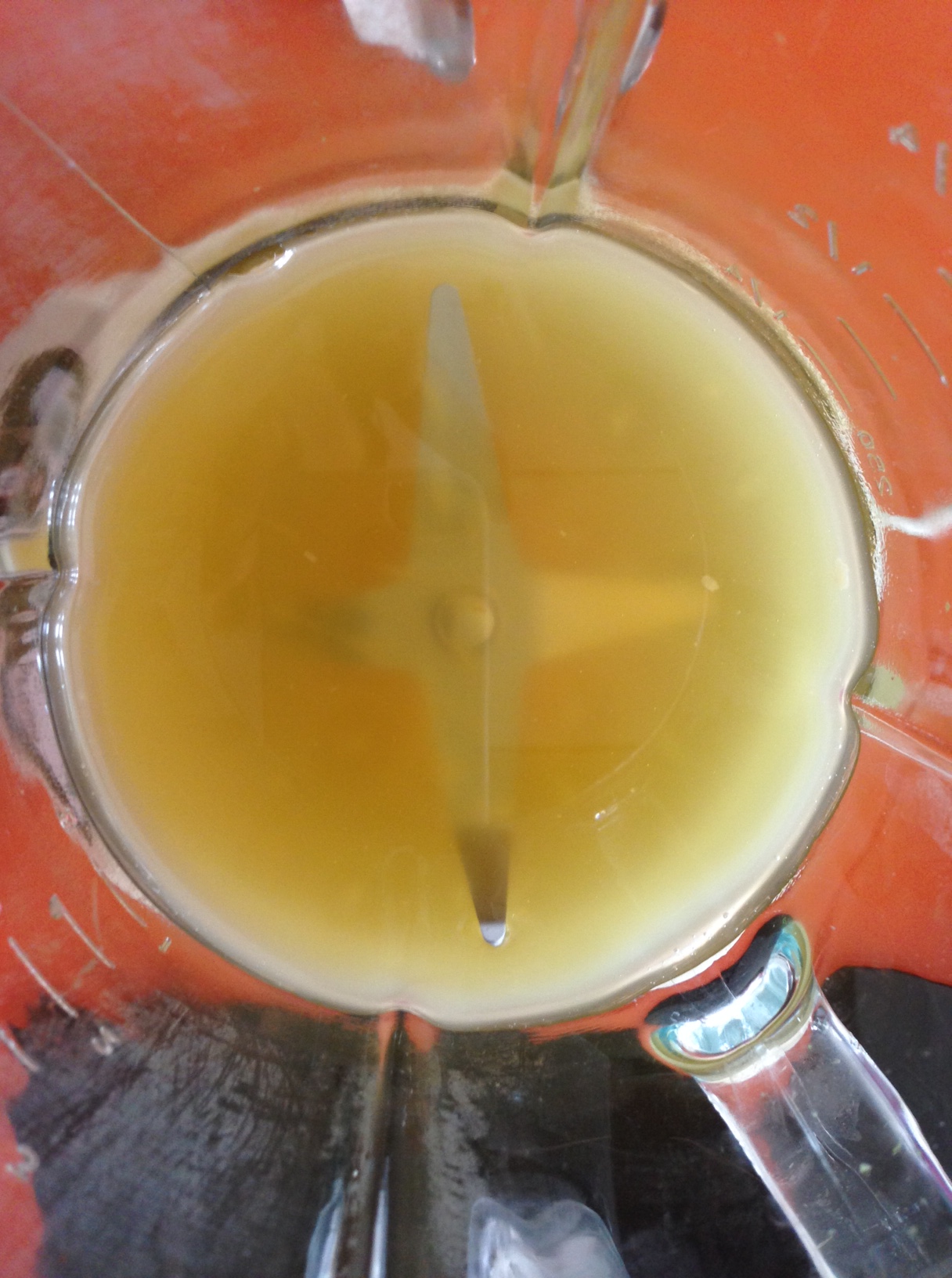
Put the blender on a low setting and add just a little of the water based products at a time. You will see it become milky in appearance:
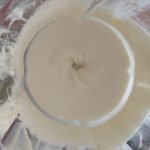
 

Creamed

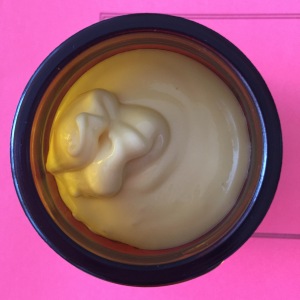
…and eventually thickens to a cream:

Take your time when adding the water and blending, as adding too much water initially will make it difficult to emulsify and it will be more likely to split.  If the cream splatters up the sides of the blender, use the spatula to get all the mixture in the bottom each time you add more water, so the entire mixture is evenly blended.
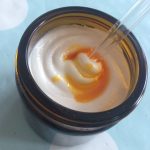
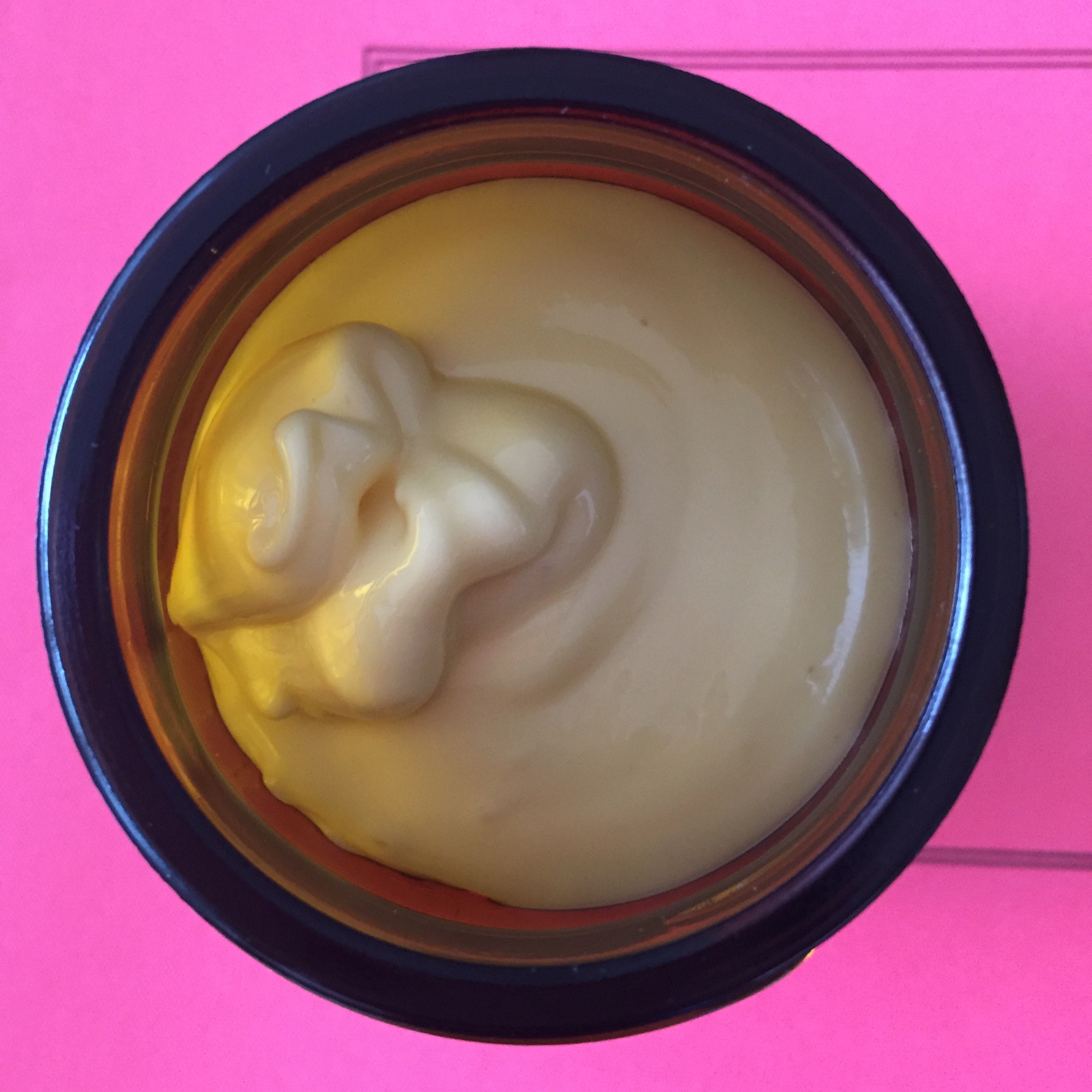
pot of cream

If you decide to add Vitamin E and essential oils to the cream, do this at the very end as you do not want to expose them to heat.  Pour the mixture into some little pots or jars.  Ensure they are clean and dry –I usually pour some boiling water into them to sterilize them first and then dry them.  Pour the cream as soon as it’s ready, as it will become thicker as it cools, and more difficult to get out.

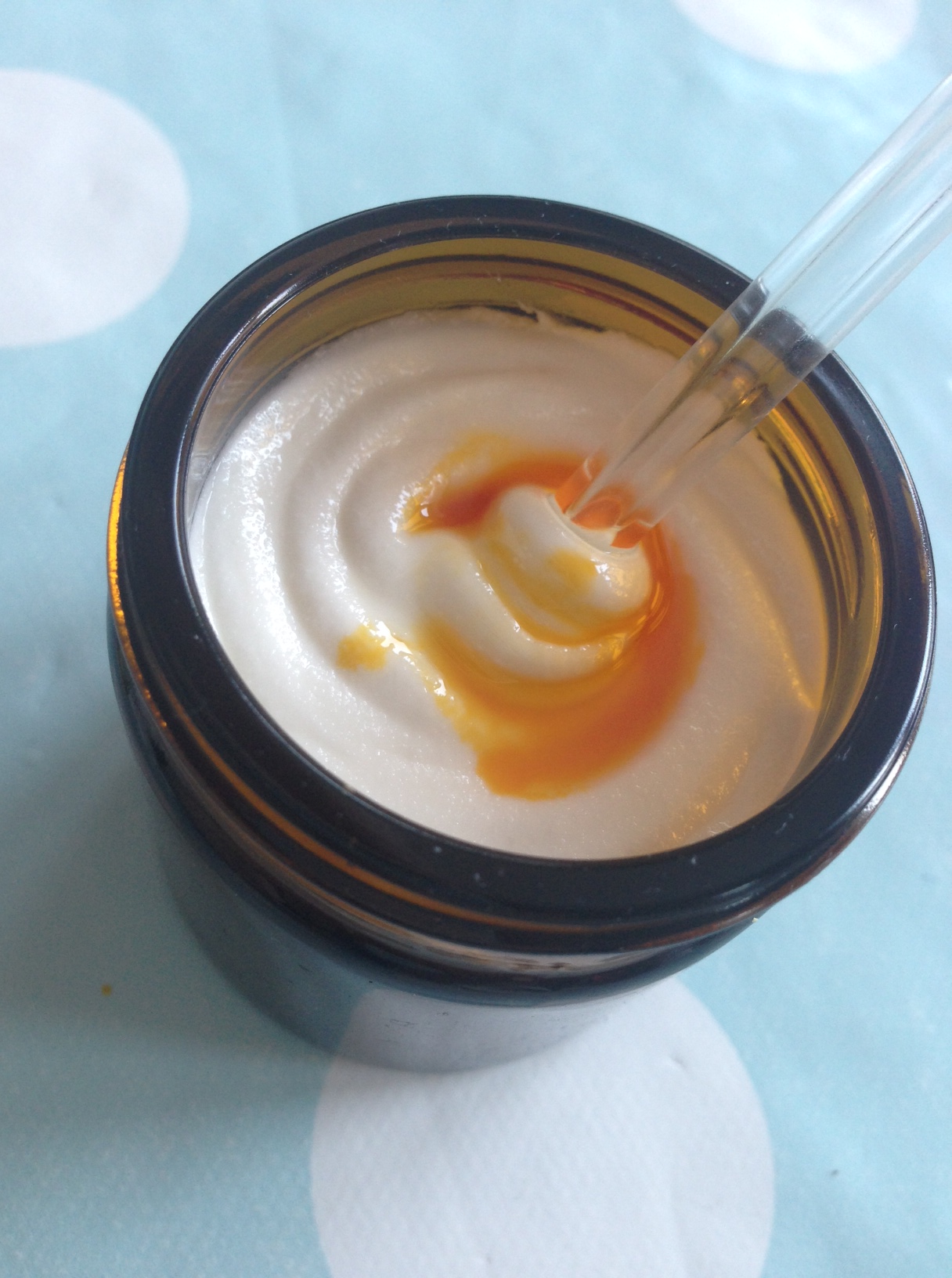
As in the workshop, you can add essential oils at this point too–if you have several containers and you want to create different blends for each one, then it’s ideal.  I find it quite practical to use a chop stick to stir them through.

Shelf Life

Because this cream is very natural and does not contain chemicals or preservatives, it is likely to only last 2-3months.  I would recommend keeping it in a cool dark cupboard or in the fridge if you can.  It will usually only go off if it becomes contaminated somehow and this can often be due to bacteria in the water based ingredients.  Make sure you don’t use any water from the tap if making an infusion, use spring water. Ensure all equipment being used is sterilised.

Using your cream

Having made the cream from scratch, and knowing all the wonderful ingredients that go into it, it can help me to be a little more focused on my skin care routine, to be more appreciative of this time with myself.  It’s particularly lovely to massage gently around the jaw, and to take this time to let go of any tension held in this area.  In doing this I become more aware of the tension held in other areas in the face –including cheeks and eyes!  I also use the cream on my neck across the top of my chest, massaging just under the collar bones which delicately allows me to become more open around the chest area, I can feel the difference in my whole body especially my posture, when I do this. Basically, just enjoy and appreciate using it on any part of your body.

Here are some ingredient variations for inspiration when designing your own versions:

Rich, hydrating and nourishing, for dry and mature skin

  • Rose floral water
  • Avocado, macadamia
  • Coconut, shea
  • Rose, frankincense, myrrh

Gentle and soothing, for sensitive skin

  • Neroli floral water, chamomile infusion
  • Apricot, camellia oil
  • Coconut
  • Neroli, Chamomile, Mandarin

Eczema, delicate itchy and damaged skin

  • Lavender floral water, chamomile infusion
  • Evening Primrose, starflower/borage oil
  • Coconut oil, shea butter
  • Chamomile, lavender, benzoin

Light and balancing for young, oily, combination skin

  • Geranium floral water
  • Grape seed, apricot oil
  • Coconut oil, shea butter
  • Geranium, lemon

Creams for Sale: I make versions of these natural face and body creams at regular intervals, so if you would like to buy one CLICK HERE to view the bespoke products on the webshop. Feel free to request specific ingredients, or preferred effects (eg. very hydrating or very gentle) as I am more than happy to design it to your requirements.
How to use Lavender and Chamomile Essential Oils for Hay fever

white lavender
I had a lovely email from a friend last week who was inspired by a previous blog (‘Lavender, Essential First Aid) to use lavender essential oil when suffering symptoms of hay fever.  I asked if I could post it here since it was so timely for me, as I’m sure it will be for others, so thank you Catherine Jones for sharing your experience.
‘I felt to share how lavender oil is helping me right now, as it has taken me by surprise.  I have hay fever, and so have very itchy eyes, an itchy & runny nose, and my face is generally congested and reactive all over. I don’t have any drugs yet, and last night I felt to try dabbing some cool wet cotton wool on my eyes to calm them down. I added a drop or so of lavender oil, and it made such a difference. I used it a few hours ago, pretty much all over my face, but paying attention to the area around my eyes, and across my cheeks, and down the gall bladder lines from nose to chin. It was amazing. I often use lavender in things, but it had never occurred to me that it might ease an allergy. Right now I am not sneezing, nor itching, and I am breathing freely. ‘
Chamomile
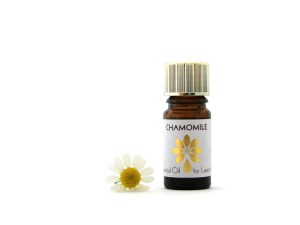
Her message inspired me, as I was experiencing similar symptoms at the time, and I have since tried the same technique using roman chamomile essential oil, as it is specifically good for allergies and particulary soothing and calming.  For more details on chamomile essential oil see ‘Soothing Chamomile for Skin Conditions’.

How to Use Chamomile Essential Oil for Soothing Skin Conditions

I had a request to write a blog on skin conditions from a friend recently, and when I began to consider this, I immediately thought of chamomile, so I decided to focus this particular post on using chamomile essential oil to treat a variety of skin conditions, although there are many other oils that are incredibly useful, I will bring focus to them another time.

There are two main types of chamomile essential oil: one is called Roman chamomile (Anthemis nobilis) which is the oil I would recommend here for use with skin conditions, it has a fresh, smooth, appley, summery scent.  The other type is known as German or Blue chamomile (Matricaria recutita) which is more intense, inky blue in colour and incredibly anti-inflammatory.

Skin conditions can be unpleasant, annoying and stressful. I experienced eczema as a child and again more recently as an adult, so I have a good understanding of the issues surrounding this condition.  Many other conditions that affect the skin, for example psoriasis, insect bites, rashes such as those caused by measles and chicken pox, will show the same or similar symptoms, and it is the symptoms that chamomile is particularly appropriate for alleviating.  Chamomile is very soothing and calming on a physical level and really helps with symptoms like itching, inflammation, pain, weeping, redness, irritation.  Chamomile also soothes and calms your disposition. It has a strong anti-inflammatory action and anti-allergic action, so it is ideal for things like bites, spots and rashes. The symptoms themselves in turn cause a feeling of stress and discomfort and general irritation, so chamomile is perfect to help calm and soothe these internal feelings as well as the outside physical ailments.  Chamomile is also very gentle, and does not have any contraindications, so this makes it appropriate for use on delicate skin, that may be damaged or sensitive, and for young children (please note that it must be diluted before skin application).
Top Tip: One very annoying symptom of skin conditions is the itching sensation, and of course the worst thing to do is to scratch, yet scratching seems to be the only thing to bring relief.  Alas, the after effects usually mean your skin is left in a much worse state.  I remember being able to resist the urge to scratch more easily during the day,  but in the night, I wouldn’t really be conscious enough to have control, and I would scratch until I drew blood.  One of my best pieces of advice here is to cut your finger nails down to the absolute minimum which will help minimise damage.  I did consider scratch mitts, but the lack of finger nails really made a difference.

Many skin conditions can leave the skin very dry, so it is important to keep the skin hydrated, hydrated skin will bode better under a scratch attack than dry.  Drink plenty of water to keep the skin hydrated from the inside out.

Treatment & Application: I would recommend applying chamomile essential oil diluted in either a simple cream, lotion or in a plain aloe vera gel, as they are easy to apply, address the hydration issue, and can feel soothing and cooling in themselves when massaged into the affected area.  See my recent blog on ‘Blending Every Day Products with Essential Oils’ for details on mixing and the appropriate number of drops to use when blending yourself, my recipe for making your own natural cream, or see some recommendations for products below.  Make sure you use a base that is very natural and avoid harsh products with nasty chemicals, as they can sting, or cause the skin to react and make it worse.  A cream can be applied to large areas of damaged or affected skin, or just dabbed onto spots or bites.  I would recommend using this for acne when it is very sore, red and inflamed, although treating only the spots first with lavender or tea tree would be more suitable because of their powerful anti microbial and cleansing effects, chamomile would then be ideal to apply afterwards for it’s more soothing gentle action.

An important point to note is that a lot of skin conditions that are not caused by an obvious outside influence (a wasp sting, nettles or allergies) are caused by stress.  Stress is a word that can literally mean anything, so it needs to be looked at on a personal level. Some might experience stress in traffic on their journey to work, or when trying to get the lid off a jar that is really stiff; some may be dealing with a life crisis for example the death of someone close or a relationship breakdown.  What ever the situation is, the body can still be reacting in the same way, and often it can be several months after the upheaval that the skin condition arises.  It may be worth keeping a diary so you can become more aware of your symptoms, and notice what has an effect on them.  Although there may be many things that effect it such as foods, or products that your skin comes into contact with, there is usually an emotional issue which is the root cause.

It wasn’t until I was having a conversation with a friend that I made the emotional connection.  I was struggling to manage eczema at the time and she asked me a question about an uncomfortable subject for me at the time -relating to a difficult relationship.  Whilst I was speaking, she said to me “Do you realise that you started scratching when I asked you about…..”   It was a real ‘ah ha’ moment, and has now become a great marker for me, as whenever I begin to scratch my skin, I know that I must be feeling stressed about something, and having that awareness helps me to question what is going on.  When I notice this, I know I need to be more gentle with myself, and look at what is happening in my life to make me feel stressed or overwhelmed.  I also like to make time to massage a little chamomile cream into the area on my body that is itching.  At the moment, I often get an itch and a little patch of eczema on various parts of my hands, so I have a bottle of chamomile cream by my bed, and massage it into my hands at night, which helps calm and prepare me for sleep too.

Click here to buy Roman Chamomile Essential Oil.

If you are not confident blending your own essential oils into a base of cream or aloe vera gel, or it isn’t convenient, then you can contact me to order a bespoke blend: laura@essesntialoilsandyou.co.uk

More reading on clearing eczema: From Abuse to Love Part 2: Clearing Eczema

How to Blend Essential Oils – How Many Drops Should I Use?

Essential Oil Blend Strength Chart – how many drops of essential oil to use when blending.

Use this chart to help you decide how many drops of essential oil to add to a base.

  • Up to a 1% blend strength – for use on the face, delicate and sensitive skin.
  • Up to 2.5% blend strength – for general use on the body
  • Up to 5% blend strength – for perfume making or when you are treating a specific area eg. a balm for chest infection or arthritic knee.

Screenshot 2017-07-28 13.08.18

Inspiration: A simple and creative way to bring essential oils into your everyday life is to add them to daily house hold products.  Something like a shower gel, or face cream would be ideal or even fabric conditioner. Choose something fragrance free or with a natural or mild perfume, otherwise the essential oils you choose may not be noticeable above the fragrance already present or if essential oils are already in the ingredients, adding more could increase the ratio to more than is safe.

Once you have your chosen base, add some of your favourite essential oils to the product and mix them in (see below for inspiration or click here to choose from the range of essential oils). It’s important to know how much essential oil to use because they can irritate the skin if not diluted appropriately.

I have put together 2 charts to help you with this (and a more comprehensive one at the beginning of the article for when you feel more confident), the first is for general use (which gives a 2% blend strength), and the second for any products being used on sensitive skin, or more delicate skin such as very young or aged skin (which gives a 1% blend strength).

2% General blend strength
Amount of base product No. of drops of essential oil to add
10ml 4
30ml 12
50ml 20
100ml 40
1% Delicate blend strength
Amount of base product No. of drops of essential oil to add
10ml 2
30ml 6
50ml 10
100ml 20

How to mix essential oils into your chosen products:

Sometimes it’s easy enough to remove the cap, add the appropriate number of drops to the bottle and give it a shake to disperse the oils evenly.  I often use a chopstick to stir in essential oils to a pot of cream.  If you have something very thick in a container that you can’t stir through, you may need to pour the product into a mixing jug first to blend the essential oils thoroughly, and then pour back into the original container -a funnel is particularly useful here.  You may also notice that the product becomes a little thinner when the essential oils have been added -this is normal.

Every day body care products and household products you can add essential oils to:

These are some every day products you can easily enhance with a few drops of essential oil, and some suggestions that would work well with their intended use -make sure the original product is fragrance free (organic, natural and children’s products are often more gently scented):

  • Shampoo ~ Rosemary and orange (for dark or thin hair), or chamomile and lemon (for fair hair)
  • Conditioner ~ Rosemary and orange (for dark or thin hair), or chamomile and lemon (for fair hair), benzoin and orange (for all hair types)
  • Shower Gel ~ Lemon and lavender (detoxifying & cleansing), eucalyptus and peppermint (clearing and invigorating).
  • Bubble Bath ~ Lavender and mandarin (cleansing & calming), roman chamomile and neroli (soothing and very calming).
  • Hand soap ~Lavender (cleansing) or rose (nurturing).
  • Face cream ~ Rose and frankincense (for dry, mature skin) or chamomile and neroli (soothing and gentle for sensitive skin).
  • Body cream ~ Benzoin and mandarin (protective and nourishing), geranium and rose (balancing and nurturing).
  • Washing Up Liquid ~ Lavender (cleansing) or basil and lime (fresh and zingy).
  • General Surface Cleaner ~ Lemon or citronella (detoxifying).
  • Bathroom Cleaner ~ Lemon, peppermint, eucalyptus and/or thyme (detoxifying and powerfully anti-microbial).
  • Laundry Liquid ~Lavender (cleansing) and lemon (detoxifying).
  • Fabric Conditioner ~ Lavender (cleansing) or geranium and orange (balancing).

Caution: Because many of these products are usually already fragranced, I would recommend you choose a fragrance free version, or something with a very gentle scent that you can enhance with additional essential oils.   A brand called Urtekram do a perfume free range that would be suitable.  Children and baby products are often fragrance free, and can be gentler with less aggressive ingredients, although this is not always the case.  Organic and sensitive skin ranges may also be fragrance free.

Tip: If I have any essential oils that are past their best then instead of throwing them away I use them in cleaning products around the house.

How To Use Lavender Essential Oil

I’ve been feeling a bit under the weather just recently, and decided to write this post after realising I had used lavender essential oil three times for supporting myself when feeling unwell in one morning.  When I’m run down, my glands generally start swelling up, I get achy and tired and sometimes a headache.  On this morning I applied some lavender oil to my tender glands on my neck, gargled with a drop of lavender oil, to ease my sore throat, and rubbed a little around the top of my neck that was aching a lot.  Later that day when carelessly getting up off the floor and scratching my knuckle with my own fingernail, I applied a drop to the cut as an anti-septic and to help the pain.  Since it was in an awkward place, I then applied a plaster, but put a drop of lavender oil on the padded section first.

I suspect that I’m renowned by my friends and family for saying “you should put some lavender on that” if I happen to see them with a cut, burn or spot, or if they mention an array of other ailments.  Sometimes they will roll their eyes, but sometimes they will try out my advice, and give me positive feedback, along with a little surprise.

Lavender really is the most useful of all essential oils, for one thing it is generally a very safe essential oil to use on your skin, although in the past it has been thought ok to use neat on your skin* I would use lavender essential oil blended in a base oil for all skin applications (5 drops in 10ml base or 2 drops for children & sensitive skin).

Some of the reasons that lavender is helpful in these situations is because it is antiseptic, pain relieving, anti-inflammatory and helps skin to heal. Here is a list of common minor complaints that lavender can be really handy and effective for.  Please note that for anything more than a minor condition, you should see your doctor or seek further professional advice.

  • Athletes Foot – you can either mix 1 drop of lavender into enough skin cream or lotion to massage into your foot. Do this every day until clear.  Alternatively, make up a batch to use in advance so if you have 100ml of cream/lotion add 250 drops of lavender (this is quite strong so only use it for the athlete’s foot).
  • Burns – Lavender is actually used to treat burns in hospitals so it is perfect for burns. After you have held the burn under cold water for 10 minutes you can apply lavender essential oil mixed in aloe vera gel as this will help to heal the skin and reduce scarring. Do not use lavender blended in a base oil initially as you want to avoid any fatty oils while there is still heat in the area.
  • Cuts, Grazes, Scratches -any little nicks to the skin – apply lavender oil to the affected area, as it has a cleansing action and acts as an antiseptic.  If it needs a plaster, you can put a drop of lavender blend on to the soft part that goes over the wound before applying. You could also spay lavender flower water to the area.
  • Ear Ache – roll a small piece of cotton wool up, apply 1 drop of lavender oil, and place just inside your ear, do not push it deep into the ear, and remember to remove it.
  • Fungal nail infections – apply 1 drop of lavender oil blend to the effected nail, ensure that it also covers the skin just below the nail, as this is where the new nail is growing from, and you want to be treating this part too.
  • Hayfever – Click here.
  • Head Ache – apply a drop of lavender oil blend to the temples and gently massage with your fingertips.  If you feel the ache somewhere specific like around the back of the neck or in the centre of your forehead then I would apply the oil and gently massage this area instead.
  • Insect Bites and Stings – apply 1 drop of lavender blend to the affected area.
  • Sleep problems – Click here.
  • Spots – apply a drop of lavender blend after cleansing morning and evening, do not pick or squeeze, you can use cotton wool pads or buds to apply.
  • Thrush/ Candida Genital – for females, put one drop of lavender essential oil blend on a panty pad and attach to underwear as you would during your cycle.  Change it regularly, applying a drop to each new pad.  I have had some great feedback when suggesting this and it is very simple and non-invasive.
  • Thrush/ Candida Oral  – use an egg cup full of water, add 1 drop of lavender blend to it, and gargle with it in your mouth for as long as possible (at least 2 minutes) but do not swallow.  Do this 2 to 4 times a day.
  • Veruccas – apply 1 drop of lavender oil blend to the effected area once or twice a day, using a cotton wool pad or bud.
  • Warts – apply 1 drop of lavender oil blend to the effected area once or twice a day, using a cotton wool pad or bud.
  • Gargling: You can also gargle with lavender blend for the following conditions: Halitosis, Sore throats, Tonsillitis, Gum disease, Ulcers, when losing your voice, and for general oral hygiene (once or twice a day after brushing your teeth). For details on how to gargle with essential oils see my blog on ‘Gargling with Myrrh’.

Lavender essential oil really is an essential addition to your first aid kit!

Note: Tea tree is very similar in action to lavender, so you can use tea tree in place of lavender for any of the above remedies, however my preference is for lavender as the smell is less medicinal and less aggressive.  I would recommend lavender over tea tree in the case of minor burns.

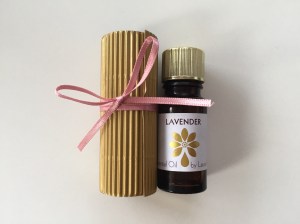
Caution: There are many types of lavender oil on the market, so please make sure you use a good quality product, from a trusted supplier that is actually pure, undiluted lavender essential oil with the botanical or latin name ‘Lavandula angustifolia’.  Some other types of lavender oil may be either too harsh due to different chemistry, or may just be a lavender scented product made from synthetic chemicals, which would not have the healing benefits and may irritate the area instead. Click here to purchase lavender essential oil.

*Click here to read my blog on why you should NOT use Lavender Essential Oil neat on your skin.

How to Use Essential Oils in the Car

I noticed my car smelt a little damp when I got in the other day.  This is not surprising considering the weather in the UK the last few months -which seems like constant rain, and my car is just a little old thing so it doesn’t cut me off from the environment outside.

Lavender bag ~ containing lavender flowers which hold essential oil in them to create a beautiful scent.

Anyway, I decided that apart from a clean it needed a little freshening up with some essential oils.  When I first bought the car, I didn’t like the smell, so I chose some strong, fresh, cleansing scents -Eucalyptus, Peppermint and Lemon -because I wanted something to overpower the current smell and to make an impact.  I literally just sprinkled drops of each oil throughout the various surfaces of the car.  The beauty of these oils is that as well as the refreshing aroma, they will have a cleansing and anti-microbial action in the car.  Later on I got a little lavender bag to hang from the mirror, this is a bag filled with lavender flowers which hold essential oil in them and produce a beautiful scent).  When I turn the car enough for the bag to swing, I get a little whiff of lavender from it.

After quite a while I stopped noticing the scent, so I sprinkled some lavender essential oil on to the bag to refresh the smell. Every so often, as the scent fades, I repeat this and will generally choose different essential oils depending on how I feel. I keep a  couple of bottles of essential oil in the glove box and on a long journey I might sprinkle 2 or 3 drops of peppermint or eucalyptus on to the bag, as this will keep me refreshed through the drive.

Caution: Make sure you avoid any essential oils that have a sedating properties as this will obviously not support driving, avoid valerian, carrot seed, clary sage and vetiver. And if lavender essential oil makes you feel sleepy, avoid this too and try lemongrass or thyme.

Using essential oils to freshen the smell of your car is a lovely way to look after you and your environment, and I would say it’s preferable to the usual car trinkets as some of the ingredients I have come across include nasty chemicals.

You can also use lavender bags to freshen and scent your home; I have them in my wardrobe, and various draws and cupboards throughout the house.  Use the same technique of adding drops of essential oil every now and then to freshen them up. For more details read my blog on How to Take Care of your Clothes with Essential Oils.

A Basic Introduction on How to Use Essential Oils Safely

I have learnt far more by experimenting and actually using essential oils myself rather than from books, but there is still a lot of important information to know that will help you understand and get more of a feel for how to use them.

What are essential oils?

Essential oils are naturally produced by many plants and can be found in their seeds (coriander & fennel), fruits (mandarin & lime), flowers (rose & orange blossom/neroli), leaves (basil & geranium), woods (cedar wood & sandalwood) roots (ginger & angelica) and resin (frankincense & myrrh).  The essential oil is extracted from the plant material, usually by a process called ‘Steam Distillation’ which involves passing steam through the plant material to release and capture the essential oil molecules (more intricate details will appear in a future post).

There is another method, mainly used with citrus oils, called ‘expression’, where the oil is literally just pressed from the peel of the fruit. You can actually release the oil yourself if you dig your finger nail into the peel of an orange or lemon, as you pierce the cells you will be able to see and smell the essential oil.  Make sure you use an ‘un-waxed’ fruit, the waxed kind have been sealed.

Citrus fruit peel yields a lot of oil compared to other parts of plants, but you can probably still imagine that it would take the peel of many oranges to make a little 10ml bottle of Orange Essential Oil.  This should also highlight how concentrated the oil is.  Some plants yield a very tiny amount of oil in comparison, for example, roses.  It takes around 1200 rose flowers (that’s flowers not petals!) to make just 1ml of rose essential oil, which equals around 40 drops of extremely precious oil!  This should go a little way to addressing the high price of rose oil and other delicate floral oils, which generally hold a very small amount of essential oil.

What are the effects of essential oils?

Hopefully, you now have a good sense of the potency of essential oils and perhaps an idea of how powerful their effects can be.  You may be aware of how they are widely used to help us relax, and used as ingredients in bath oils or room sprays and that they are found in many beauty products to help improve our skin, but there are many other ways they can help support us both on a physical level and on the way we feel. The fact that they have such strong scents can have very tangible, immediate effects on our bodies and our moods.  All essential oils I have come across have anti-microbial properties which make them particularly suitable for using to help treat illness and disease, and can have various effects on all systems in the body from the endocrine to the digestive system.

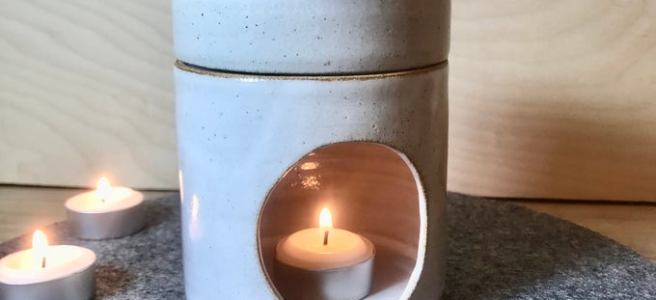
Handmade Ceramic Oil Burner by ‘Throw to Fire’.

How do you use essential oils safely?

Realising the potency of essential oils can also highlight why there are some safety precautions to observe and why it’s important to dilute them when using them on your skin.  In their neat form, they are way too strong for to use directly on the skin and  can cause tingling or burning sensations, and other reactions.  Diluting them in a vegetable oil is ideal as they themselves have many nourishing properties that your skin can also benefit from.  Generally they are full of vitamins and fatty acids that help keep skin healthy and vital.  They also help the essential oils absorb into your skin more easily.  Some other modes for diluting essential oils include honey, milk or aloe vera gel -water based products are not appropriate as the essential oils are hydrophobic (water-hating), and will not mix together.  You do not need to dilute essential oils when using them in a burner, diffusor or for inhalation (all methods to be covered in future posts). See my earlier blog post: Essential Oils in the Shower for details on using essential oils in a burner.

Always dilute essential oils before using them on your skin -including in the bath.

Various modes of application to the skin include:  massage, bath, compresses, skin care preparations such as creams or balms and neat application*.  They can also be used by inhalation (using diffusor, burner, steam inhalation or directly from a tissue) and they can also be used internally. The versatility and range of applications of the oils allows for your own personal input that means they can really support you in your life.  For example you can chose to give yourself a foot bath each night, (with a mix of peppermint essential oil and olive oil) when you get home from work because you have a job where you’re on your feet all day, and that’s what really supports you; or there may be a certain oil that helps calm your breath when feeling stressed or anxious, (e.g. frankincense, lavender or neroli essential oil) and you keep a little bottle in a your hand bag  to dot on a tissue and gently breath in for when you feel to use.  This is what i really love about the oils, that you can bring them into your daily, weekly or monthly routine to support you in so many different ways -all shared throughout this blog!

*Note: It is generally accepted that lavender and tea tree essential oils can be used neat on the skin. See my blog post on Lavender, Essential First Aid, for more details on using lavender or tea tree.

How to Make a Bath and Massage Oil Blend

I have come up with a few favourite bath and massage oil blends over the years and I like to make a bottle up so it is ready to use when I’m in the mood.

You can make your own blend up with the following instructions or use the recipes I have shared below:

100ml Bath & Massage Oil Blend Recipe

  • 100ml of your choice of vegetable oil (eg. almond, apricot, or simply olive oil from your kitchen!)
  • 40 drops or 2ml of your choice of essential oil/s
  • ~these can be one or a combination of oils, but keep the totals to 100ml for the vegetable oil and  2ml (40 drops) for the essential oil.

Directions: If the vegetable oil you have is in  a 100ml bottle, then you can simply add the essential oil(s) to this and give it a shake to disperse evenly.  You may need to pour a tiny amount of the vegetable oil out first to allow room for the essential oils.  If you have a larger container of vegetable oil you can either adjust the amount of essential oil you add (eg. double if you have a 200ml container), or measure out the 100ml in a kitchen measuring jug, add the essential oils and stir, and then pour into a 100ml bottle or container.  Ensure the container you use is completely dry, as if the oil blend mixes with any water it will go off.  You can usually buy empty bottles at chemists, department stores, or Muji in London, or you could try antique shops for some elegant glass containers.

Use: Add 1-2 tea-spoons in the bath (add just before you step in for maximum benefits).  See ‘Essential Oils in the Bath’ blog post for more on using your bath blend.

Turkish Delight Bath and Massage oil Blend ~ Nurturing, relaxing and refreshing.

  • 100ml Argan oil
  • Rose essential oil, 10 drops
  • Black Pepper essential oil, 10 drops
  • Cardamom essential oil, 10 drops
  • Sandalwood essential oil, 10

Vanilla Orange Bath and Massage oil Blend ~Soothes and eases tension, and great for the skin.

  • 100ml Almond oil
  • Benzoin oil, 20 drops (this is usually quite a thick oil so you will need to shake well for it to mix evenly)
  • Orange essential oil, 10 drops
  • Neroli 10 drops

Each recipe above gives you a blend strength of 2%, which is appropriate for most skin types.  I would recommend dropping this blend strength to 1% (20 drops/100ml) for children, elderly and those with  sensitive skin.

These blends should last for 12 to 18 months, but keep them in a cool dark place to ensure they stay fresh because the oils are sensitive to heat and light (so a bathroom cupboard would be suitable, but not a sunny windowsill or shelf above a radiator).

They can also be used as a massage oil directly on the skin, or for moisturising  after taking a shower, you should notice it makes it easier to apply the oil to slightly damp skin and you also seem to use less of it.

As I cover more of the properties and effects of different essential oils, you will develop more of an idea on how to mix a blend up for specific purposes, in the mean time, please feel free to ask any questions or advise on making your own blends.

Click here to for making Bath Salts.

Click here to choose Essential Oils for your bath.

How to Use Essential Oils in the Shower in a Burner or Diffusor

How to use essential oils in a burner & diffusor.

A couple of years ago I moved into a little studio and it only had a shower -no bath!  Since I do love a bath I made sure I had the odd treat at a friends house so I didn’t miss out on this luxury.  Anyway, one evening after work, I decided to take a shower which is unusual as my routine is always to do this in the morning, as it seems more refreshing rather than relaxing.  I went about it in a totally different way though, since I couldn’t incorporate the oils in the same way I would in the bath.  I got out my little ceramic burner:

Handmade Ceramic Oil Burner by ‘Throw to Fire’.

This is a simple device used to scent the atmosphere in a room with essential oils.  You put a tea-light in the bottom part, fill the top bowl area with water, and sprinkle essential oils of your choice into the water.  As the candle heats the water it warms the essential oils too and they release their molecules into the room, including the scent.  It’s useful to choose a burner that has quite a deep bowl for the water, because as it is heated by the tea light, the water evaporates and when there is no water left the essential oils can burn onto the surface making it difficult to clean.  Between 3 and 10 drops of essential oil should be enough in the burner, depending on the desired effect (blend inspirations below).  My bathroom was quite small so a few drops had a good impact on the room, but you can use more if you feel like it.

The tea-light in the burner already gives a little glow to the room, so I switched off the light and lit a few more candles, and it felt very special -I honestly had never taken a shower by candle light nor taken the time to prepare the room in this way.  It was a bit of a revelation to realise the difference it made to how I felt, and often became part of my night time and even morning time ritual.  It actually felt more nurturing than a bath at the time.

Choosing the oils to scent the room is a big part of the ritual, and I like to go with what ever I feel at the time, but here are some ideas to get you started but have a play yourself, as I notice that we all have different styles to blending so you will probably come up with something completely different but perfect for the moment, and if not, it’s all part of getting to know them and what you like.

Blends for your burner:

  • First thing in the morning: 4 drops of Eucalyptus, 2 drops of Peppermint, 4 drops of Lemon.
  • For winding down in the evening: 4 drops of Lavender, 6 drops of Mandarin.
  • Some thing in between: 4 drops of Geranium, 4 drops of Orange, 2 drops of Thyme.

You can just use one oil if you like or as many as you want…

Remember that inhaling the oils is the fastest way their molecules enter your body, so it is still a very effective method of using them.

Another very quick little trick for using the oils in the shower is to  take a bottle of essential oil in to the shower with you, and once the heat is up, and the steam is rising, simply sprinkle 3 or 4 drops onto the floor below, and you will experience a brief surge of oils as the steam releases the molecules upwards.  This trick works well with strong scented oils like eucalyptus or peppermint as they release their scent immediately, something like rose or myrrh would not be appropriate as they are slower to release and will dissappear down the plug hole before your nose knows it!

You could also use fresh eucalyptus leaves for a refreshing scent in the shower, pin a bunch above the shower head so the steam releases the smell and clears your respiratory system along the way.