How to Make Your Own Natural Oil Perfume and Aromatherapy Blend

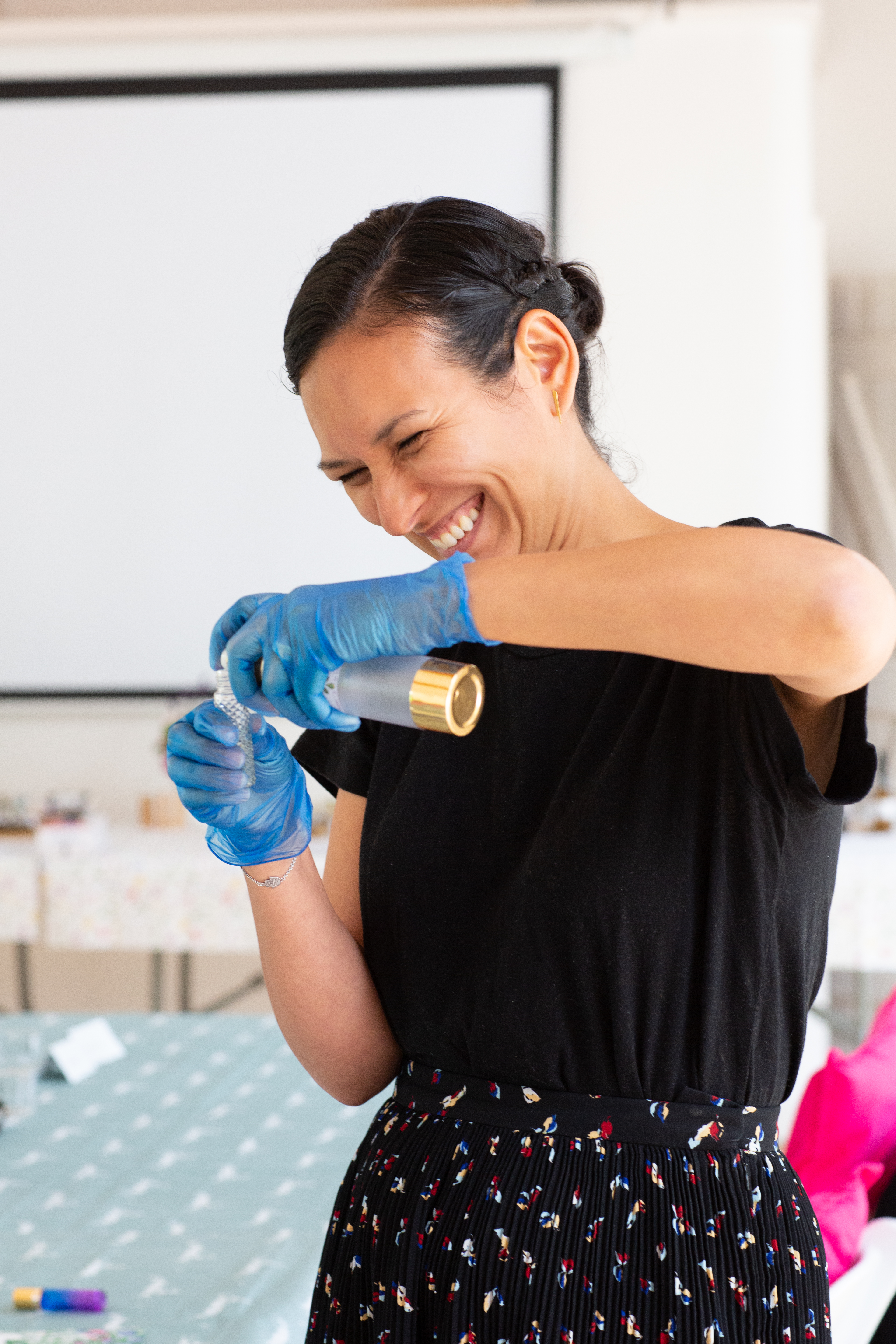
Here are the notes from my Natural Perfume & Aromatherapy Workshop, for those of you who would like to make your own unique, natural fragrance, but are unable to make the workshop in person.
Introduction – It’s actually very simple to make your own natural perfume as there is no need to use any alcohol, fixers or preservatives, you can just use natural essential oils for the scent, and a nut or seed oil as the base. It really is that simple, and the rest is just play time.

So this workshop/ blog post is really about introducing you to the endless array of possibilities involved in making your own natural perfume and to let you experiment and get confident with the ingredients. There are so many amazing essential oils to choose from and the real beauty is that they actually have a huge array of benefits, way beyond the scent that you create -which in itself can have dramatic effects on the way you feel.


How to make your own natural perfume blend

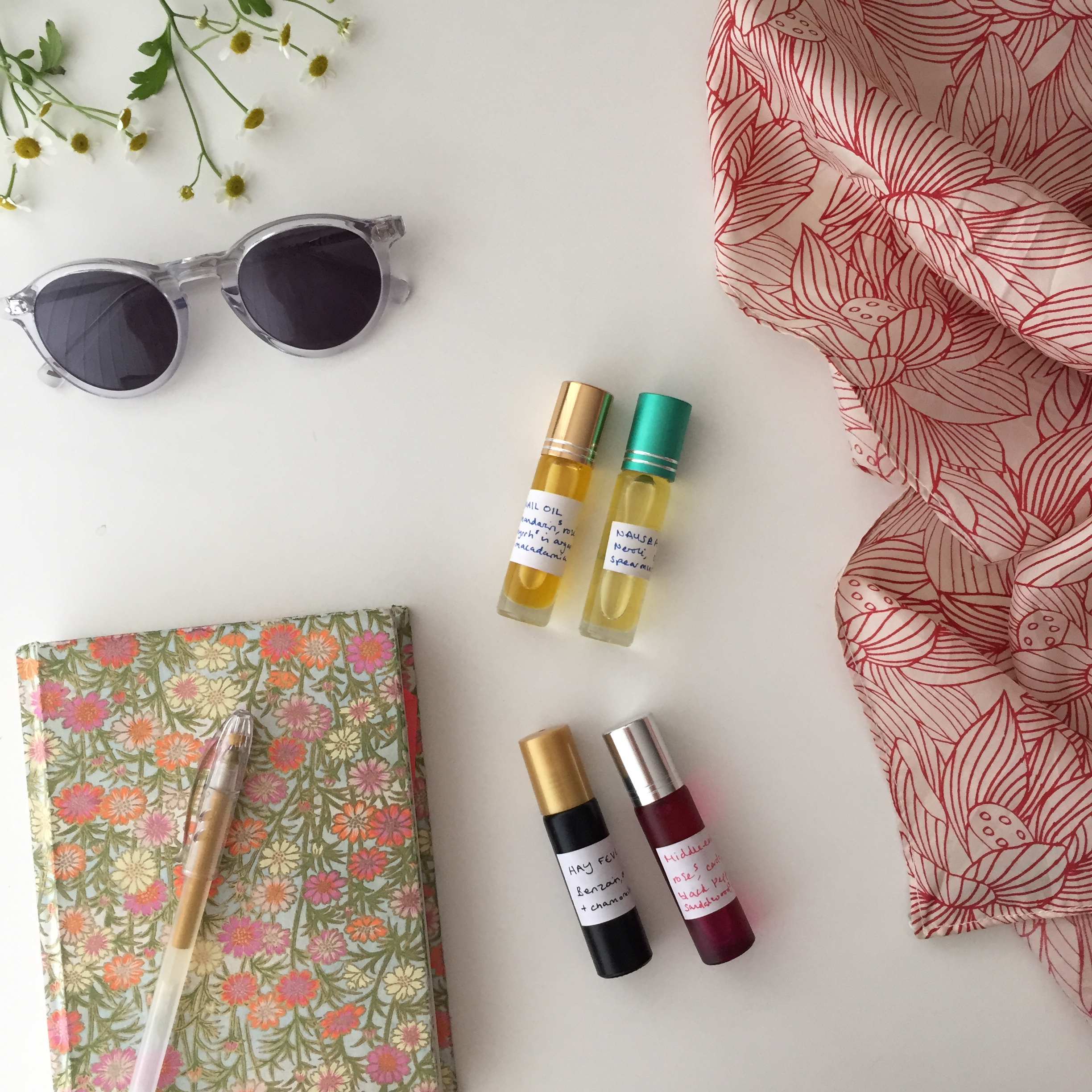
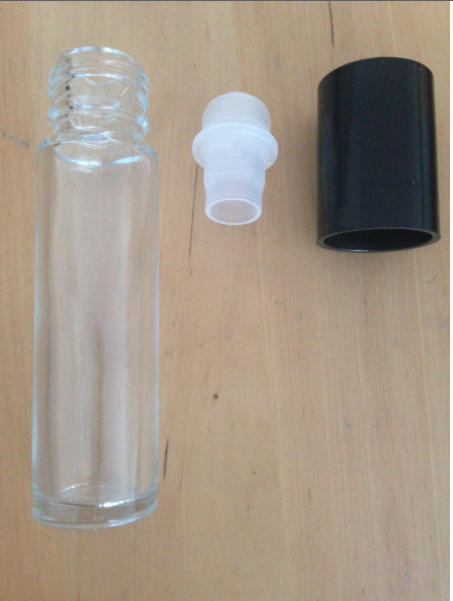
Container ~you can make your perfume blend in any container you like, there are lots of lovely bottles to play with, I’m often searching for old vintage perfume bottles in antique shops, or waiting for friends to finish there branded fragrance so i can use the bottle but I find using a ‘rolette’ bottle (as pictured) is very practical. It comprises of a small glass bottle (10 or 15ml), a roller ball top (that releases a little oil across the skin when you pass it over), and a cap.

Lasting effect ~Natural perfume does not have the same staying power as an alcohol based fragrance, so you can carry these little bottles around in your handbag or pocket and retouch the scent throughout the day.

Recipe – for a 5% blend strength for 10ml bottle

  • 10ml base oil e.g. apricot or jojoba ~you can choose just one or blend as many as you like.
  • 0.5ml essential oils (10 drops) ~you can choose just one or combine as many as you like (see below for how to choose essential oils).

Essential oils are very concentrated and a 5% blend strength should be plenty strong enough. However, if you have sensitive skin or are making a blend for children or someone with fragile skin, then I would drop the percentage to 1% or 2.5% (2 or 5 drops in 10ml).

Instructions

perfume bottles

Measure the quantities of base oil (eg. olive or almond) and pour directly into the bottle, then drop approximately 10 drops of essential oils directly into the bottle, fix the roller ball cap and lid and give it a shake to disperse the oils evenly. If you’re using resinous essential oils like myrrh or benzoin, you will need give the bottle a shake each time you use it as they can sink to the bottom.

Make a label for the bottle so you don’t forget what it contains.

Ingredients

Essential oils and base oils have a multitude of health and wellbeing benefits, so you can either design your perfume with the focus completely on the fragrance you want and then check out the added health benefits, or vice versa: choose oils for their properties and let the scent come together that way.

Choosing Base oils
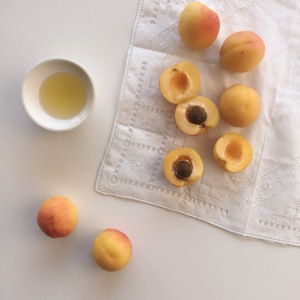
Apricot oil

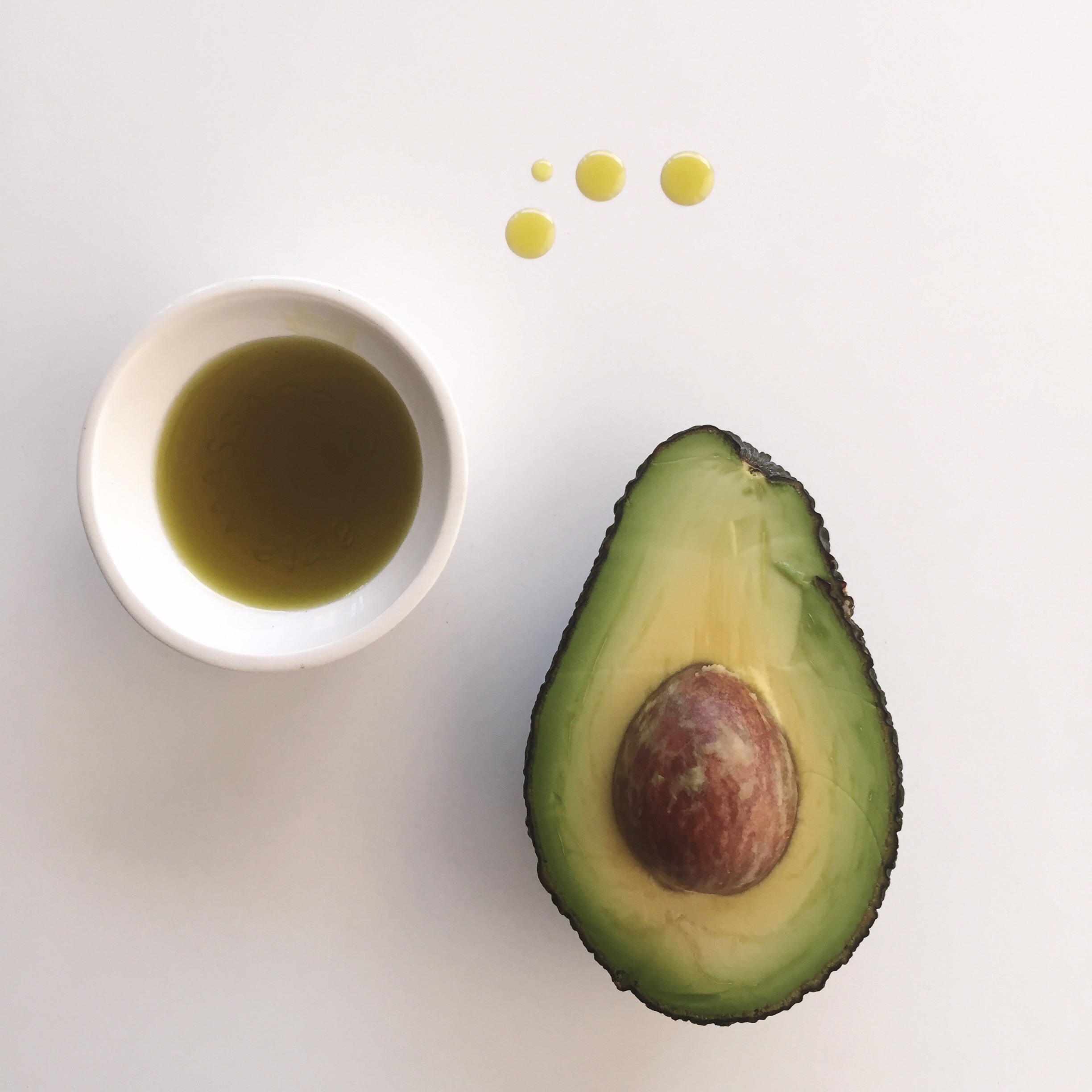
I like to use cold pressed vegetable oils as they are more natural with more nutrients but they can have varying degrees of smell to them so I go for something with a light scent so as not to interfere too much with the fragrance. I would recommend almond, apricot or jojoba. You can use ‘refined’ oils which have usually been heat treated to high temperatures to remove the scent, in this case olive oil would be just great.

For help choosing a base oil click here for my webshop.

Choosing your blend

To make your unique fragrance, you need to choose the essential oils you want and the number of drops of each to use. Use some ‘scent tester strips‘ or unscented tissues to put a drop of the oils you like on, and then see how they smell together. To avoid wasting too many drops of precious oils, use separate strips or tissues for each oil you try and write the name of the oil on them, then put the strips together under your nose to see if you like the combination. If you add an oil that you don’t like with the others, you take out the strip, and try something else, rather than have to start again.

Now the play time really takes off, you might find that you put 3 oils together eg. rose, lavender & myrrh, you like the smell of the lavender and rose  but you can’t really smell the myrrh, in this case you could try 2 or 3 drops of myrrh as it is more subtle in scent compared to the others.
It pays to be organised here, so that when you have your perfume ready on the strips, you know which oils you want and how many drops of each to add to the bottle. Depending on your ratio you can go a couple over or a couple under the 10 drops, the drops sizes can vary anyway so it is just a guide.

If you only have one or a few essential oils to play around with, then this is not a disadvantage, start with a couple of your favourites and build from there.

Keep it simple. There are so many possibilities and different essential oils to choose from that it can feel a bit overwhelming, don’t make it complicated. Try using 3 oils to begin with and pick a top, middle & base note, this is a good formula used in perfumery to give a well rounded scent (see my previous blog for details on top middle & base notes). If you start to get confused get some fresh air, and come back to it.

Don’t aim for perfection, the magic of using these natural ingredients means the blend will change with time, different people will pick up different scent notes, and when you wear it on your skin it will unfold throughout the day, so just trust when you’ve put something together that it will be great.

The following blogs will help you to choose which essential oils to put into your fragrance:

The Art of Blending Essential Oils

A List of the most popular Essential Oils, their Uses and Cautions

Blending Essential Oils using Top, Middle and Base Notes.


Workshop

If you would like to attend a Natural Perfume Making Workshop in person, or arrange one for a group then click here for further details including up and coming dates.

natural perfume making workshop      IMG_4026

Recipe inspirations and practical uses for the ‘rolette’ bottle:

You can use this exact same principle to make oils for health related purposes that  still smell amazing. I have used the 5% blend strength in the recipes, but if you are using on children, people with a delicate disposition or sensitive skin I would use 2.5% (5 drops in total).

See if you can spot the top, middle & base notes in these examples:

Nail oil ~apply on the skin just before the nails begin to grow, this area supports healthy nail growth, as it is where the new nail is being formed.

nail oil

Nail oil recipe, this for a 5% blend strength (10 drops of essential oil in 10ml base oil).

Ingredients

  • 5ml organic macadamia oil*
  • 5ml organic almond oil*
  • 4 drops of myrrh essential oil (helps to heal dry, hard and cracked skin)
  • 3 drops of rose essential oil (deeply nurturing, nourishing and hydrating)
  • 3 drops of mandarin essential oil (great for the skin and gives the scent a lift)

*If you can’t use nut oils due to allergies then I would suggest using organic apricot, olive or argan oil instead.


Anxiety, stress, panic attacks ~with a soothing, calming blend you can roll across your wrists or even under your nose as a preventative or when you feel symptoms coming on.

Ingredients

  • 10ml organic olive oil
  • 4 drops of neroli essential oil (soothes & calms nervous system)
  • 3 drops of lavender essential oil (relaxing, clearing & calming)
  • 3 drop of frankincense essential oil (supports breathing gently)

Hay fever ~ with a soothing, calming blend you can roll across your chest or even under your nose as a preventative or when you feel symptoms.

Chamomile

Ingredients

  • 10ml organic apricot oil
  • 5 drops of benzoin essential oil (soothing, comforting)
  • 2 drops of chamomile essential oil (anti-allergy, anti-inflammatory, soothing, calming, helps with itching)
  • 3 drop of orange essential oil (to give the scent a lift)

Nausea, morning sickness ~ with a soothing, calming blend you can roll across your wrists, tummy or even under your nose as a preventative or when you feel symptoms. The recipe here is for a 2% blend strength which is suitable in pregnancy, but you can increase it to 5% if it is for perfume use.

Ingredients

  • 10ml organic apricot or olive oil
  • 2 drops of neroli essential oil (soothing, relaxing, calms nervous tension)
  • 1 drops of cardamom essential oil (refreshing, soothing, calming)
  • 1 drop of spearmint essential oil (refreshing, soothes feelings of nausea)

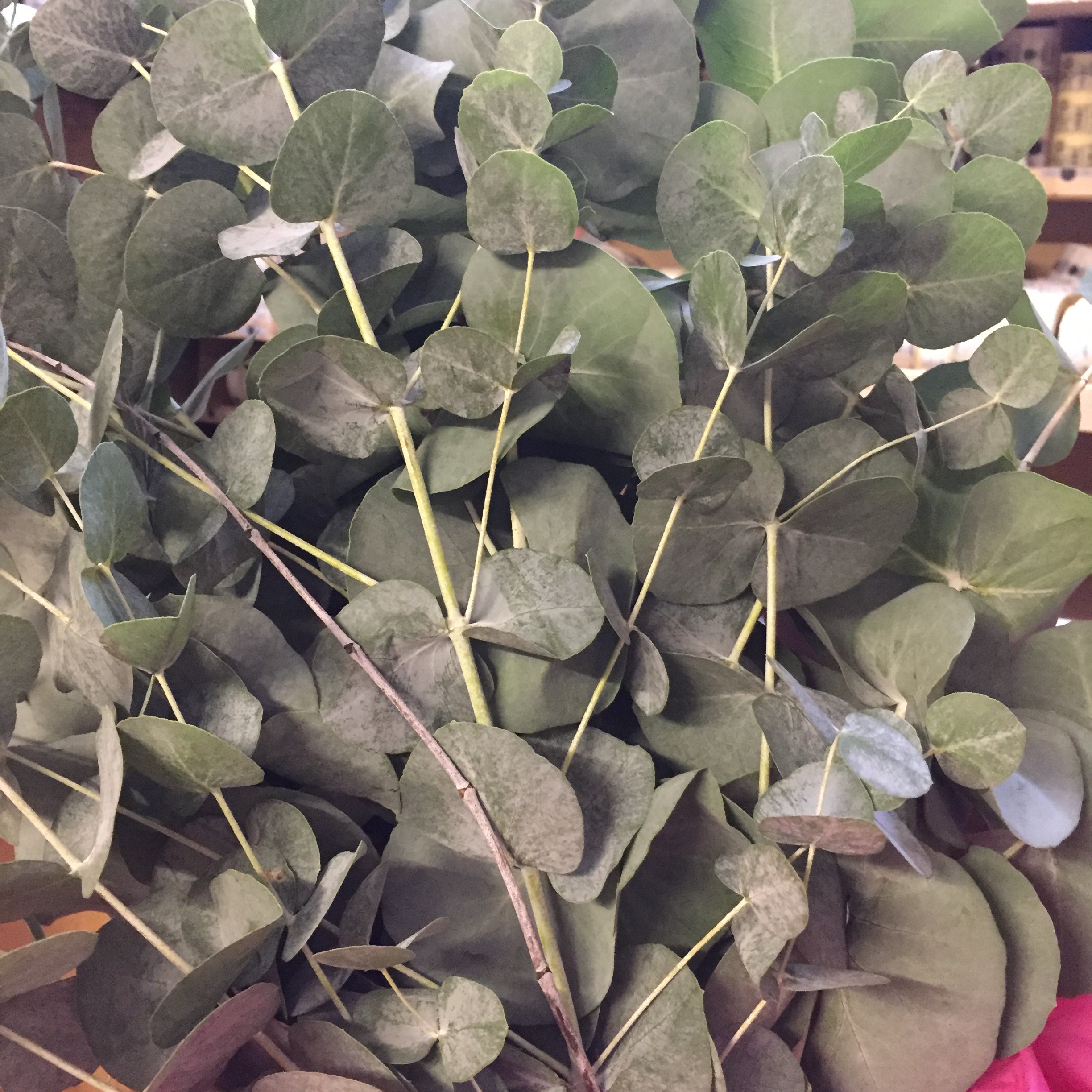
Colds & sinus problems ~with a blend of powerfully clearing respiratory oils you can inhale the blend or roll across your chest & neck, e.g. eucalyptus, peppermint, thyme.
IMG_4499

Ingredients

  • 10ml organic olive oil
  • 4 drops of eucalyptus essential oil (clears respiratory system, very anti-microbial)
  • 2 drops of peppermint essential oil (clearing & calming)
  • 4 drops of thyme essential oil (powerful anti-microbial, clears mucus and great for chesty coughs)

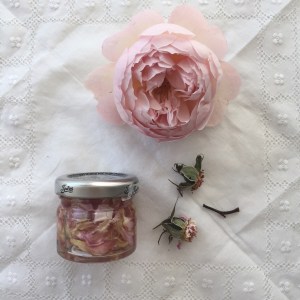
Rose Scented Oil – How To Make Your Own

This is a very simple recipe for making your own rose scented oil. It is quite different from an essential oil which is made by steam distillation or solvent extraction (which requires about 1200 rose flowers to make just 20 drops of oil!), so much more practical as you don’t require vast fields of roses, nor specialised equipment.
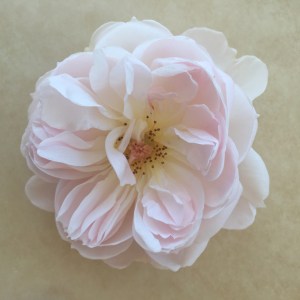
This process is called maceration and involves leaving rose petals in a carrier oil for a period of time until the oil takes on the scent of the roses.

Equipment:

  • Roses (strongly scented and chemical free)
  • Oil ( almond or jojoba oil- something that has little or no scent to avoid over powering the delicate smell of the roses, and that already feels lovely on the skin, my favourite is apricot oil). Click here to see more carrier oils.
  • Container (or Glass Jar with air tight lid).
  • Muslin Cloth

Instructions:

Make sure the rose flowers you collect have a strong scent and have not been sprayed with chemicals, as these will taint the final product – growing your own is best*. I have several potted roses on my balcony and for my test run I only used two flowers in a tiny jam jar, after 2 weeks of using a little on my finger tips as a face oil, I still have half a pot left.

Take the flowers when they are dry and have opened to their fullest, so you and the bees can enjoy them for as long as possible, then just nip them off before they start to wither. It’s best to do so when it hasn’t rained recently to avoid moisture.

Once you’ve harvested your rose flowers you need to remove the petals and lay them out to dry a little as any moisture could result in the oil becoming rancid. Avoid putting them in the light or sun, you can purchase an ‘air dryer’ or lay them on a tray and keep in an airing cupboard, this should be enough to lose the water in the petals but not the essential oil.

Collect the petals carefully and put them in the jar, you will naturally leave behind little bits of dust or grit as you pick them up, and there might be some you want to discard, any creepy crawlies should crawl away,  I actually found a few petals with creatures wrapped inside so they didn’t make it into a jar.

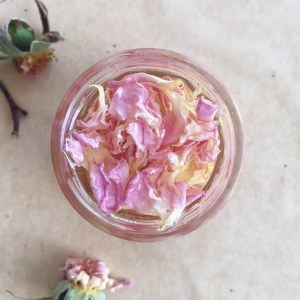
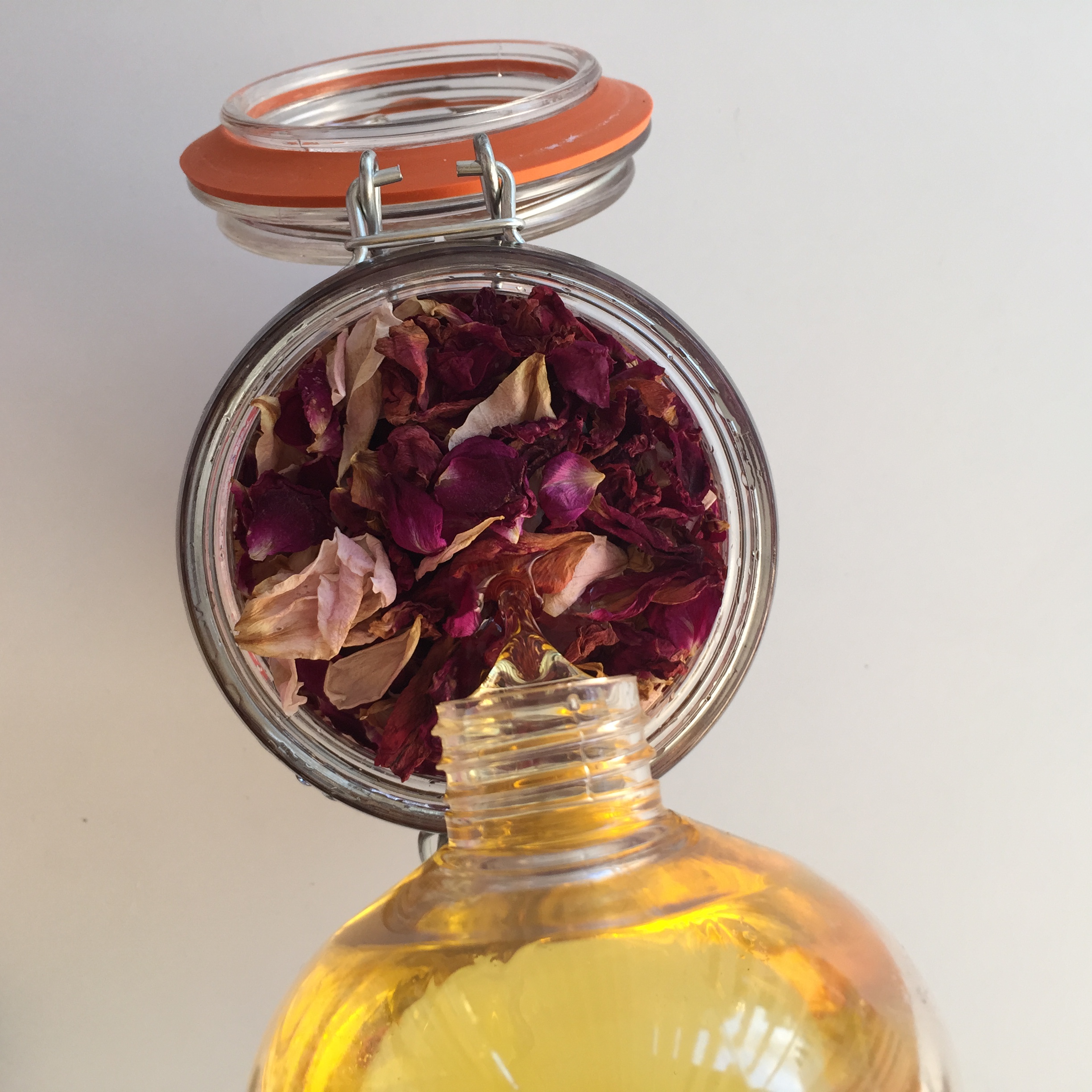
Fill the jar to the top with the dry rose petals, and the pour in the carrier oil. If you don’t have enough petals to fill the jar, use a smaller one, you want to just cover them with oil, and not leave any space for air. Check after a few hours to see if the jar needs topping up with oil, as the petals will start absorbing oil and may sink down into the jar.

rose oil

Seal the lid tightly and leave for 3 -6 weeks in a warm cupboard, away from light or sunshine (airing cupboard is perfect), shake the jar every day or when you remember incase any air bubbles form.

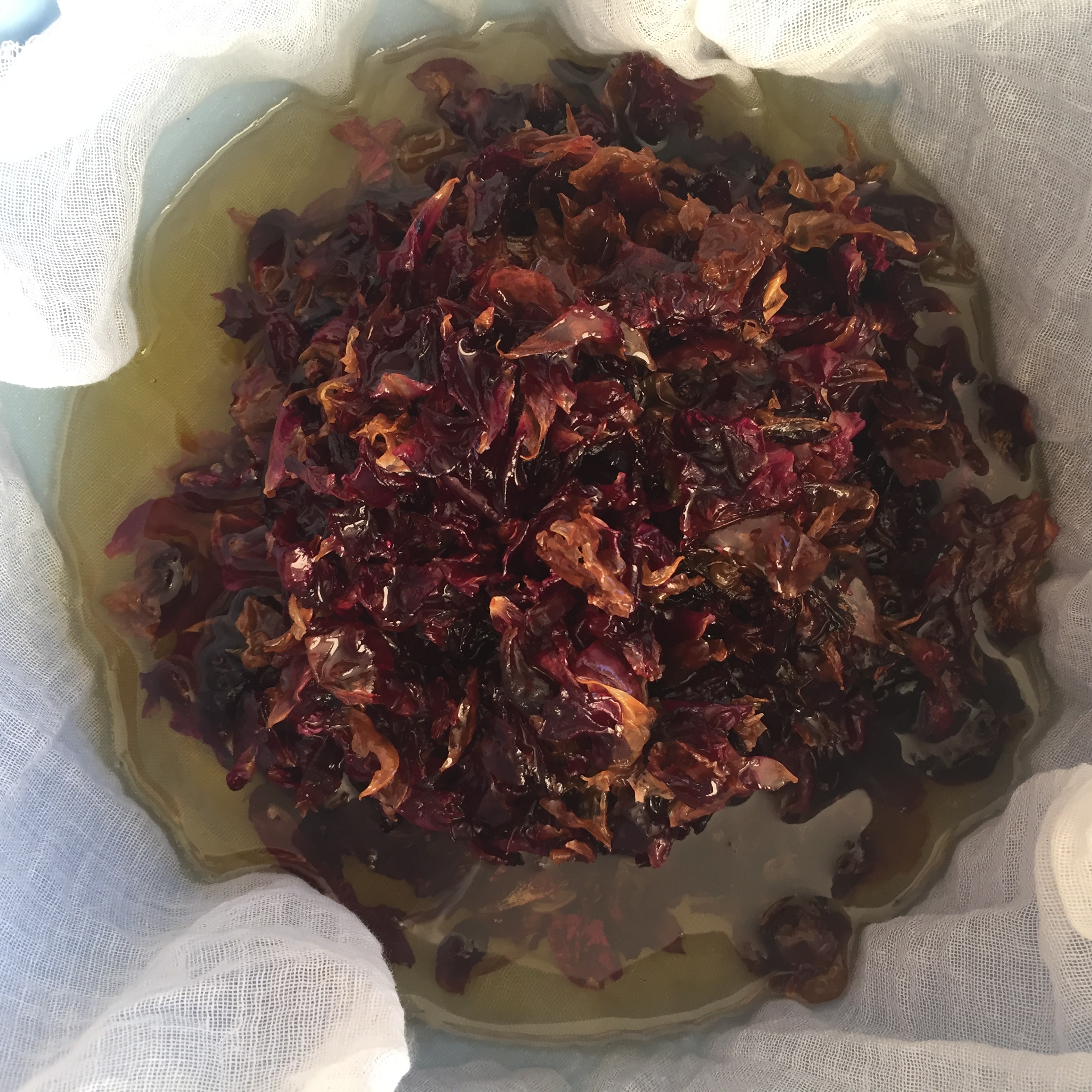
After at least 2 weeks, strain the spent rose petals through some muslin cloth, or a fine sieve, into a container (bowl, jug etc).

rose petal straining

Squeeze as much oil as you can from the petal pulp and you are left with a beautiful, delicately scented rose oil.

squeeze oil

Pure gold oil! You can repeat this whole process and add more petals to this oil for a more intense rose scent.

rose gold oil

This oil feels so precious to use on my face and body. You only need a tiny amount so it’s been well worth it -this last batch was made with a litre of oil so I have plenty to see me through until the next rose flowering season.  It has been delightful having petals drying throughout my home as the smell is heaven.

Tip: You can use your rose oil as an ingredient in making your own natural face cream, see here for recipe and instructions: Natural Face and Body Cream Making Workshop.

Feel free to ask any questions and to share your experiences.

*Growing your own roses – if you want to grow your own roses the David Austin website lets you know if the rose you are buying has a strong scent, Autumn is a good time to order bare root roses, they deliver at end of the year as literally bare roots with a little bit of twig but will still give you a harvest next Summer.

Remember you need to avoid spraying chemicals or fungicides to use them for making skin care products – there are various natural remedies for the inevitable bugs that invade roses, I am currently experimenting with a lavender essential oil and water spray – I will let you know how well this works… Edit – lavender water works well, but must be applied consistently especially when the buds are forming.

I have tried this process a few times now, and have also used flowers from two of my favourite roses that I have on my balcony, Gentle Hermione  and The Alnwick Rose, they have a fairly strong scent but I chose them just because they happened to be in bloom when I decided to make it, you can try using any rose that is scented and not sprayed.  I am planning on making one with a few different types of rose flowers, so as to create a combination of their scents. One of the most popular scented roses is Gertrude Jekyll.

Yarrow Essential Oil and How to make a Balm

FullSizeRender-32

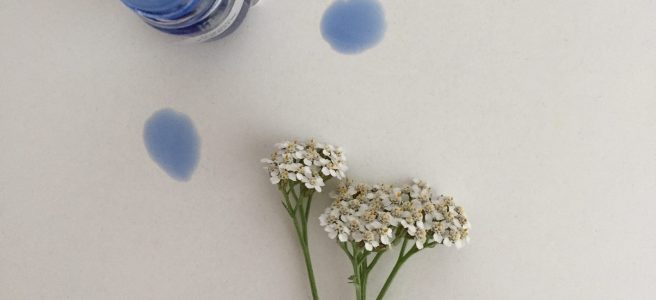
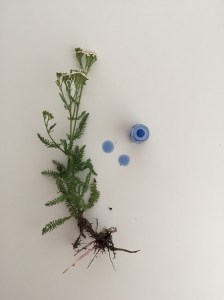
Many people are unaware that yarrow, Achillea millifolium, a common plant growing abundantly in British country side, actually produces a very powerful, useful and rather beautiful essential oil.

It’s an oil that stands out when you see its striking, ink blue colour, which is very unusual for an essential oil. The plant itself is made up of an umbrella of little white flowers, sometimes pink, but during the production of the essential oil a chemical called chamazulene is produced during steam distillation which gives yarrow essential oils its bright blue colour.

Most essential oils come in tinted glass bottles as they are sensitive to light, so it’s rare to see such amazing colours as in the below photo.

IMG_2100
Bright blue yarrow essential oil.

Chamazulene is also the particular component that makes yarrow so useful as it is anti-inflammatory in effect and therefore useful for any condition where inflammation is present, for example:

  • arthritis,
  • allergies,
  • bumps & bruises,
  • breaks,
  • gout,
  • skin rashes,
  • strains & sprains.

Even conditions such as period pain and back ache can be helped by using yarrow because of the presence of inflammation.

Yarrow & Lavender Balm Recipe – for pain and inflammation.

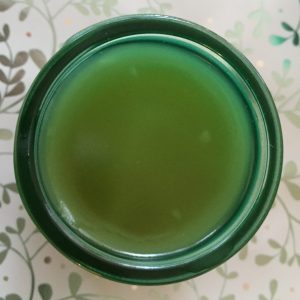
A balm is a very practical method of application for areas of inflammation. I would recommend applying this simple balm, made with yarrow and lavender essential oil, twice daily. Massage in very gentle anti-clockwise circles to the affected area, if the area is too tender to touch, or is an open wound then apply the balm as close to the site as is comfortable.

IMG_2184

Ingredients ~ to make 100 ml pot:

  • 10g beeswax
  • 10g shea butter
  • 80g or ml of base oil, e.g. Olive oil or Almond oil
  • yarrow essential oil – 40 drops (2ml)
  • lavender essential oil – 60 drops (3ml)
  • vitamin E (optional)

Caution ~ yarrow can contain a varying amount of camphor in it, which means it is advisable to avoid with epilepsy, in pregnancy, and could cause sensitisation in ragweed allergy sufferers.

See my blog on ‘How to make a Massage or Body Balm’ for full recipe instructions.

Blue chamomile essential oil, Matricaria recutita (also known as German chamomile) also appears blue in colour, it contains the same anti-inflammatory agent chamazulene and would be suitable for all of the above inflammatory conditions. Click here to purchase this essential oil.

See my blog on Lavender & Chamomile for Hay fever for more details.

How to use Cooling Peppermint Essential Oil for Sun Burn and After Sun Care.

sun burn treatment after sun gelI once had a peppermint bath, ‘once’ being the appropriate word here: it was at a friends house and there was a bottle of bubble bath in her bathroom that had peppermint essential oil listed as an ingredient, happy to have found an essential oil bubble bath, I poured some in and lay down into the bubbles. A very strange sensation then came over me. My skin was cool and tingling, even though the water was hot. It felt really weird, a bit unpleasant and I haven’t used peppermint essential oil in a bath blend since.

However, this cooling effect of peppermint essential oil is extremely useful in many other circumstances, it’s refreshing in tooth pastes, and tingling in lip balms but it really stands out as an effective ingredient in aftersun lotion and for treating sun burn.

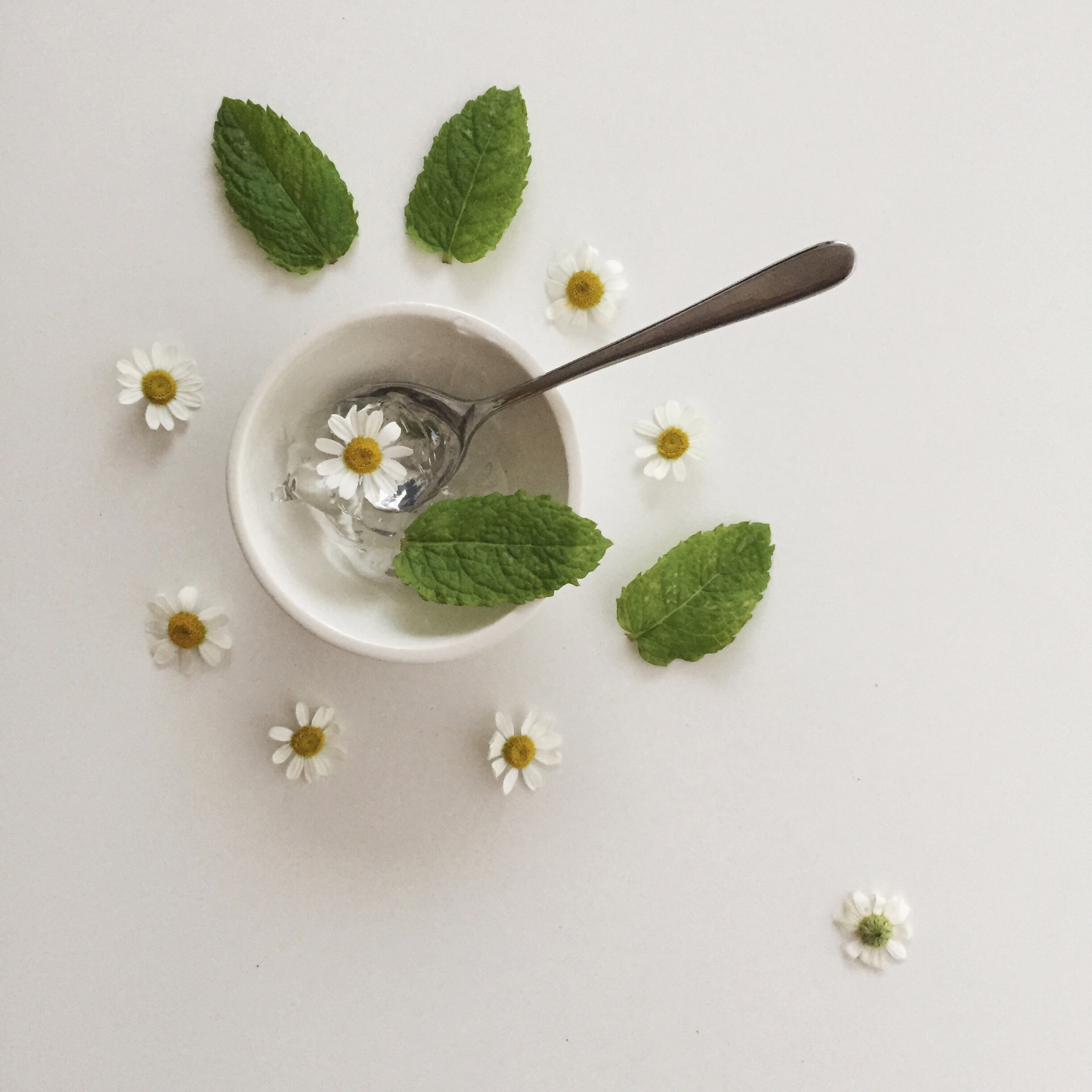
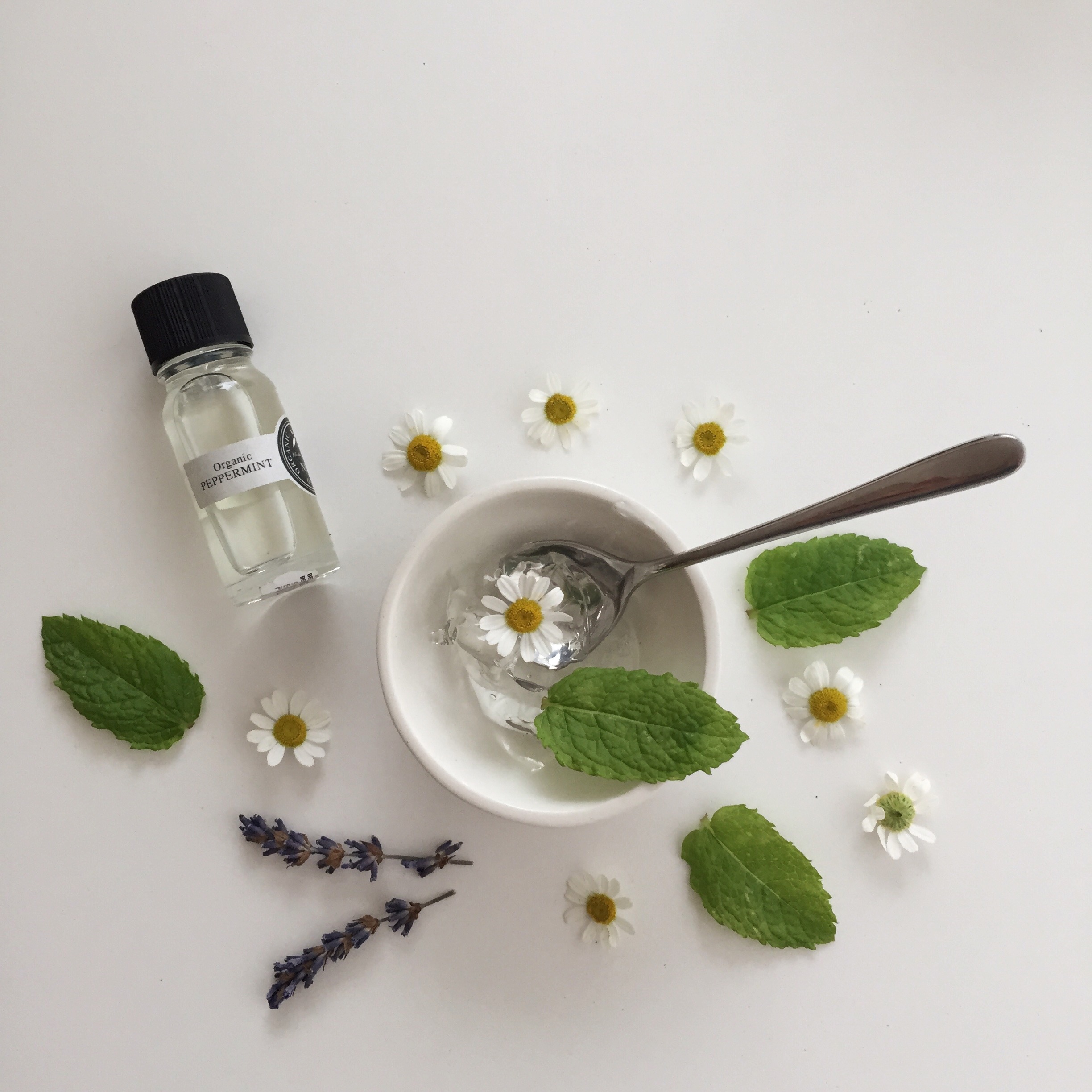
This is a simple recipe for a very effective, cooling gel for sun burn. It is blended with lavender, which is very effective for treating serious burns and pain relieving (it is actually used in hospital burns units), as well as German chamomile which has a powerful anti-inflammatory action. These three essential oils blended in a base of aloe vera gel which is hydrating, soothing & helps heal wounds, make for a powerful treatment for sunburn.

After Sun & Sun Burn Gel (2.5% blend strength)

peppermint essential oil for sun burn and after sun

Ingredients:

50ml aloe vera gel

5 drops peppermint essential oil*

15 drops lavender essential oil

5 drops German/blue chamomile essential oil – you can leave this out if it’s just for after-sun, and replace it with Roman chamomile essential oil which is more gentle, the scent is more pleasing and less intense.

Instructions: mix them all together and apply to the affected area.

Cooling Foot Gel

That cooling sensation is also really welcome for tired & weary feet,  you can use the same recipe above as a cooling foot gel.

Refreshing Shower Gel

For a cool, refreshing shower, just add a few drops of peppermint essential oil to your shower gel – see my blog: Blending everyday products with Essential Oils for how many drops to use.

It’s also a great digestive essential oil but I will talk about that in another post… in the mean time enjoy the cooling effects of peppermint oil.

*Caution ~ Do not use peppermint essential oil if you have cardiac fibrillation. Maximum blend strength 3%. Avoid use with babies.

You may also like to read A Pot of Fresh Mint Tea with the benefits of Essential Oils and Soothing Chamomile for Skin Conditions.

A List of Carrier Oils and Base Products, their Uses and Qualities.

A List of Carrier Oils (also known as vegetable or base oils) their uses & qualities (in alphabetical order):

Carrier oils,  also known as base oils or vegetable oils, are pressed from nuts, seeds and fruits and are a great medium to use to blend essential oils with since they have their own nourishing properties to appreciate. They can be used on their own for massage and in the bath and are essential ingredients in skin care products. Essential oils should always be diluted before use on skin including in the bath, so these really are essential ingredients.

To help you choose which base oils to use, here is a list with some of their most useful properties.

  • Almond nut oil – Prunus Amygdalus Dulcis Oil ~ a great general use oil, not too rich or light, and full of nutrients. Used as an emollients in skin and hair care, popular in taking care of the tips of your hair (mis with a little essential oil for added fragrance). Caution – avoid with nut allergies.
  • Apricot kernel oil – Prunus Armeniaca Kernel Oil ~ A very gentle light oil that I like to use with children, and people with sensitive skin. Lovely in baby massage.
  • Avocado oil – Persea Gratissima Oil ~ Very rich and nourishing but still absorbs well into skin, great for dry, cracked, flaky & mature skin. Has mild anti-inflammatory and regenerative properties.
  • Beeswax ~ an ingredient you will need to melt and mix with others to make use of, for example add to balms or creams for effecting the consistency. A small amount can bring a velvety feel and protect and nourish skin. Source wax as sheets or pellets for ease of use.
  • Black currant seed oil – Ribes Nigrum Seed Oil ~ Useful for regenerative care of dry, sensitive and mature skin. Calming for inflamed, irritated and stressed skin types. Recommended for oil and acne prone skin as it is light and absorbs swiftly. Smells delicately of blackcurrant. Caution: has a short shelf life, so check the best before and best mixed with more stable oils. Read more on using black currant seed as a face oil here: Face Oil Beauty Rituals
  • Borage / Star flower – Borago Officinalis Seed Oil ~ a lovely light oil that is particularly good for eczema and those with delicate, inflamed, allergy prone skin. Some clinical studies show it to be useful taken internally for helping skin hydration, and relief from itching. Caution: has a short shelf life, so check the best before and best mixed with more stable oils.
  • Calendula / Marigold oil (marigold flowers macerated in olive oil or alternative base) ~ another oil that is useful in scar care and helping skin to heal. Caution: avoid if allergies to the daisy family and can irritate eczema in rare cases.
  • Camellia seed oil (Tea seed oil) – Camellia Oleifera Seed Oil ~ a great skin moisturising and anti-wrinkle oil, also used for hair conditioning.
  • Coconut oil – Cocos Nucifera Oil ~ I love this oil as it is so versatile, it is great for skin, hair, and even in food. It is solid at room temperature, but very easily melts in warm hands, if it’s a hot day, or you live in a tropical country, it is likely to melt and be in a liquid state. It has a very greasy feel to it, which makes it perfect for use as a cleanser as it easily removes dirt, grime, and makeup. It’s particularly good for removing eye makeup as it’s so greasy, so there is no pull on the delicate skin around the eyes. Improves skin hydration. Shown to prevent loss of hair proteins and strengthen hair. If you don’t like the strong smell of coconut, you can choose a deodorised version.
  • Daisy oil (daisy flowers macerated in olive oil or alternative base) ~ daisy oils is very similar in action to arnica oil – the flowers are similar, but native in the UK so more abundantly available to make your own macerated oil. It’s great for bruises, bumps and aches and pains.
  • Evening Primrose oil – Oenothera Biennis Oil ~ recommended for oily skin due to its light, non-oily feel, and also in the care of dry, irritated, inflamed, allergy prone and acne prone skin. Caution: has a short shelf life, so check the best before and best mixed with more stable oils.
  • Macadamia nut oil – Macadamia Ternifolia Seed Oil ~ Very rich and nourishing but still absorbs well into skin, great for dry skin. Recommended in the care of acne prone skin due to anti-microbial action. If you buy the un-refined version the smell is incredibly delicious. Caution – avoid with nut allergies.
  • Olive oil, Olea Europaea Fruit Oil ~ although probably most commonly known as a food, olive oil is one of the most commonly used vegetable oils in cosmetics for cleansing of the face, body and hands.
  • Pomegranate seed oil – Punica Granatum Seed Oil ~ this is a thick slightly sticky feeling oil that is fabulous for plumping the skin, great for mature and stressed skin. Research shows it has anti-inflammatory anti oxidative, anti tumour and photo protective effects. Also shown to improve regeneration of injured skin. It decreases damaging effects caused by ultraviolet radiation. Recommended for care of dry and allergy prone skin, as well as burnt skin and for after sun exposure. Because of the texture, I recommend blending with other oils. Caution: has a short shelf life, so check the best before and best mixed with more stable oils.
  • Raspberry seed oil – Rubus Idaeus Seed Oil ~ recommended for irritated, inflamed, allergy prone, acne prone and mature skin. Smells delicately of cucumber. Caution: has a short shelf life, so check the best before and best mixed with more stable oils. Read more on using raspberry seed as a face oil here: Face Oil Beauty Rituals
  • Rosehip seed oil – Rosa Canina Fruit Oil ~ this is the best oil I know for using on scars and improving their appearance, a great oil to enrich any blend for skin care. It is valued for its use in care of acne prone skin, mature skin, irritated, inflamed, allergy prone  and hyperpigmentation.
  • Safflower oil – Carthamus Tinctorius Seed Oil ~ A gentle light oil suitable for sensitive skin with anti-inflammatory regenerative properties. Quickly absorbed, with out leaving an oily appearance. Suitable for oily acne prone skin with black heads. Also recommended for very dry skin, for relieving symptoms of irritated and inflamed skin. Caution: has a short shelf life, so check the best before and best mixed with more stable oils.
  • Sea buckthorn kernel oil – Hippophae Rhamnoides Seed Oil ~ Due to antimicrobial activity this oil is recommended for impure and acne prone skin. Acts as a skin penetrator enhancer. Studies show it to have anti-inflammatory, anti oxidative and regenerative effects which resulted in accelerated wound healing. Suitable for irritated and inflamed skin. Be careful if you end up with an oil from the fruit rather than the kernel, as this can literally turn your skin bright orange! And still be careful with the sea buckthorn kernel oil, as it can still give a colouration. I’ve been experimenting with this oil recently on my face, on its own as a night oil and as an ingredient in my creams, a little really makes the skin glow and feel lovely.  Caution: has a short shelf life, so check the best before and best mixed with more stable oils.
  • Shea butter – Butyrospermum Parkii Butter ~ pressed from the shea nut, this ingredient is rich and protective for the skin and often used on it’s own to soothe and protect hands when they are dry and cracked (gardeners will find this useful!). Also suits irritated and allergy prone skin. It’s great for bringing a creaminess to a product, for example in a cream or balm (you will need to melt it to blend it with other oils). It is sensitive to heat, so be careful it is not heated more than necessary when melting. I am constantly experimenting with this in my products as it is so valuable in its attributes, but the unrefined version has been described as smelling like goat, and it’s tricky to hide fragrance wise, it can also give a grainy texture in some products deepening on heat treatment – but worth experimenting with!

CLICK HERE to see the range of organically sourced oils I supply here with details on their uses and properties.

For more help choosing base oils, see my blog on ‘What quality of base oils to choose‘.

For a full comprehensive scientific resource on ingredients of natural origins, I highly recommend this book which is a constant support of reference for all of my skin care blending needs: Modern Cosmetics – INGREDIENTS OF NATURAL ORIGIN
A SCIENTIFIC VIEW , VOLUME 1

This list will continue to expand, if there are any oils that do not yet appear or that you would like more details on, please contact me or make a ‘comment’ and I will add them. I can also recommend oils for specific symptoms or conditions.

How to Choose Quality Carrier Oils

Screenshot 2015-06-21 09.30.02

What to consider when choosing and buying carrier oils:

Carrier oils or base oils are very different to essential oils, they are fatty, usually made from nuts, seeds & fruits of plants and work well as a base to dilute essential oils in. They have many nourishing and nutritional properties in their own right and can be used on the skin with out essential oils, e.g. as a massage, bath or cleansing oil. They are also particularly enjoyable drizzled on salads, and incorporated into foods. Olive oil is a great example, and it is one that I often use in my blends as it’s so nourishing.

cold pressed

I usually use cold pressed, un-refined base oils, which means that they are mechanically pressed (literally squashed) from the seed, fruit or nut of the plant, and undergo no further treatment. Many oils, especially in skin care products, can be refined to remove any scent, sediments, colours or individualities that they naturally contain -usually because manufacturers want to make each product and batch identical, which is not the way nature works -scents, colours and nutritional values can vary from harvest to harvest, and from various locations depending on environmental factors and production methods. Oils are often heat treated to deodorise them which destroys many if not all of the nutrients.

I much prefer oils in their natural cold pressed state as you get so much more out of them. They are usually left with a light nutty or seedy scent, which I really enjoy, but note that it can have an impact on the smell of your blend, especially things like macadamia nut or coconut oil which have very familiar scents which could overpower the smell of any essential oils you are using. So, there are occasions when you might prefer to use a deodorised version.

organic

I also prefer to use organic oils, although lately I have noticed a huge lack of integrity around organic products and especially the use of the word organic.  Growing something organically works in harmony with nature and considers the impact it has on the environment. Unfortunately there are many loops to jump through to become certified and often that is just not practical or possible for many small businesses who can often feel much more caring and passionate about their products than big corporations who have no problem ticking the organic boxes.

As with everything, there are many factors to consider and there is no right or wrong, only to allow yourself the space to choose what feels right for you, and be aware that it can change all the time.

Check out for my blog: A list of Carrier Oils & their Uses , covering a range of popular base oils and their benefits… Click here to purchase a range of carefully sourced base oils from my website.

Apricot oil  rose gold oil    

How to use Essential Oils on Holiday

essential oils on holidayInspired by the sprinkling of sunshine over the UK this week, it’s time to share some summertime essential oils, essential for taking on holiday.

Essential oils come in very small bottles so they are a practical addition to your luggage, even if you’re only taking cabin bags. However, it’s still worth considering which are the most useful ones to take with you, so this blog is to help you weedle it down to just a few essentials that will come in most handy.

The main issues or symptoms that are commonly experienced when travelling are: around the journey itself; skin care; insects and first aid, so here I have listed some specific symptoms, some appropriate essential oils and simple, practical ways to use them.

essential oils on holiday

TRAVEL

Travel sickness -cardamom, spearmint, chamomile (roman*)

Jetlag – peppermint, lavender

Anxiety (fear of flying) – neroli, lavender

How to use – make a blend in a ‘rolette’ bottle (see how below) to roll across your wrists and tummy, or sprinkle a couple of drops on a tissue to keep in a pocket or in your bag and gently breathe in as a preventative measure or at the time of feeling the symptoms.

SKIN CARE

After sun skin care – lavender, palmarosa, chamomile (roman*)

Sun burn – lavender, chamomile (german/blue*), peppermint

How to use – blend in a base of aloe vera gel or add to your aftersun lotion, see my previous blog for Blending every day products – how many drops should I use?

INSECTS

Insect repellent – lemongrass, citronella, geranium, lavender or tea tree -use one or a combination of those you like the most.

How to use – blend in a base of aloe vera gel, add to your aftersun lotion, (see my previous blog for How many drops should I use?) or make a blend in a rolette bottle (see how below). Some of these essential oils combined would double as a perfume – I like geranium, lavender & lemongrass.

Insect bites – chamomile (german/blue*), lavender

How to use – apply directly to the affected area or as a blend in a ‘rolette’ bottle (see how below).

FIRST AID – Lavender

If you only take one essential oil on holiday make it lavender, it’s the most useful essential oil for most minor first aid situations.

It’s antiseptic, anti microbial & cleansing so ideal for first aid, it is particularly effective on burns, so great for skin care and after sun, it’s ‘insecticidal’ so will deter insects and is very relaxing and calming so it helps with easing travel sickness and tension.

It’s also nice to sprinkle a little in hotel rooms if they don’t smell lovely, especially on the pillow.

For more details on how to use lavender essential oil, see my previous blog on ‘Lavender, Essential First Aid’ .

rolette bottle

Rolette Bottles – here’s how to prepare a rolette bottle:

Using a ‘rolette’ bottle (as pictured) is very practical as you can keep it in a pocket or handbag and it is easy to use. It comprises of a small glass bottle (10 or 15ml), a roller ball top (that releases a little oil across the skin when you pass it over), and a cap.

Instructions

Fill the bottle with a base oil eg. olive oil, then drop appropriate essential oils directly into the bottle, if you have a 10ml bottle, then you will need between 2 and 10 drops of essential oil, see my previous blog for more details on How many drops should I use? Fix the roller ball cap and lid and give it a shake to disperse the oils evenly.  Make a label for the bottle so you don’t forget what it contains.

chamomile & blends

Holiday tip: Rather than take bottles of essential oils you could prepare the blends that you are likely to need in rolette bottles and take these with you instead.

* Chamomile roman or blue/german – There are two types of chamomile essential oil: roman chamomile is more gentle, and german/blue chamomile, which is deep blue in colour, is more powerfully anti-inflammatory in action. I have recommended the german/blue chamomile for sunburn and insect bites, but the roman chamomile is also suitable in each instance.

Click here to order bespoke blends of essential oils ready made for your holiday requirements.

Travel Tips: here’s a blog to help you in general with how to pack your suitcase: ‘Travel Suitcase – What to Pack?

The Art of Blending Essential Oils

My main purpose with this blog is to help you to develop your own relationship with using essential oils and experimenting with blending is one of the most fun aspects of this, there is constant opportunity to learn, be creative and experiment.

Introduction – choosing ingredients.

Creating a blend can be a lot like cooking, I like using this analogy as most people are familiar with making things in their kitchen and blending essential oils is very similar in lots of ways. Instead of using the dried herb or seeds to season your meal, you’re using the oil, that has been pressed or distilled from the plant, to enhance your bath oil or face cream etc. One of the main reasons I choose and use essential oils on a day to day basis is to nourish and support my body, often the same reason I choose to eat certain foods (although I have to admit -sometimes I eat for comfort or distraction but that’s another story).  Ultimately, my intention when cooking or blending essential oils, is to make something that supports my body, wether it’s specific symptoms I’m addressing or I just want to enjoy the oils in a nurturing, confirming way through out my day.

Inspiration

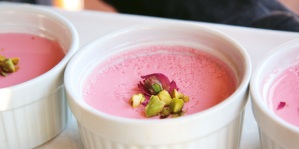
Honey And Rose Panna Cotta with subtle flavours of rose and cardamom. Photo care of Unimed Living
Honey & Rose Panna Cotta with subtle flavours of rose and cardamom. Photo care of Unimed Living

Food often inspires me when I’m creating blends too and this recipe for Honey & Rose Panna Cotta is a great example, as after my mouth stopped watering, I made a blend of almond oil with rose and cardamom essential oils. It gives a middle eastern feel, very soothing, refreshing, deeply nurturing and nourishing in the bath, or as a massage oil.

Click here > for the Panna Cotta recipe and more inspirations.

Preparation

I love putting together blends of oils and I also love cooking, but I don’t always have as much time as I would like, and I can allow it to feel like just another task I have to fit into my day. So, for moments like this, I like to have some pre-made blends that I can use so that I’m not making things in a rush, or with out the quality and integrity I know I can bring when I make the space to do so with out any pressure. Just like when I don’t feel like cooking, I have lots of soups or curries in the freezer I can eat, so I still get a lovingly prepared meal, when I most need it.

Blending rules

The rules are there are no rules! -Well, that’s not quite true, because essential oils are incredibly potent, so you do need to observe any cautions  or maximum doses they may have, (see List of Essential Oils for cautions).

Your essential essence…

Whether I’m making something for a specific medical condition or just a lovely bath blend, I like to go with what ever I feel. I have noticed that different people have their own style when blending and when watching them I have been surprised at the combinations they come up with, things I would never have tried myself, yet they work perfectly. Each person can bring their own unique essence to a blend,  a little bit like with cooking; if a group of 100 people made a lasagne, not one of the meals would turn out exactly the same, they would each have their own way of doing it, from ingredients to presentation and all the details in-between. In the same way, if I asked someone  (even a qualified aromatherapist) to make a blend for a cold or for eczema, they would each end up making a unique product. Even if they did happen to choose the exact same oils, they could still have a different ratio, a different base and different method of application, each person brings their own essence and style to the blend.

The oils are so versatile, with many varied properties and effects, so there is certainly no right or wrong oil in any circumstance (apart from using an oil when there is a caution). Some oils have a more intense scent than others so you might choose a lower ratio to allow more delicate oils to come through, but then the scent could still work with even ratios, it would just have a different character and balance -for details on balancing the blend see my blog post on Top, Middle and Base notes.

Good practice

As you play around and get to know essential oils, your style, what you like and what works for you, I recommend that you record your recipes. I have a little ‘blending’ note book to write everything in, and I make sure I record the number of drops and the rest of the ingredients. This is because you might end up with something you really love, or a blend that someone asks you to re-create, then you have all the details handy to make it up again. I’m speaking from experience of course which is why I have developed a slightly more organised way of working. It means if I decide I want something to be a little more lavender, I can refer back to how many drops I used, and increase them.

I am also a big fan of the ‘Jamie Oliver’ style of making recipes, a shake of this, and a splodge of that as I have sometimes found myself stuck using the same oils and techniques in the past. Just watch out for essential oils that have maximum blend strength cautions and most of all, have fun!

Useful blogs for blending:

How many drops should I use? -this blog will help you to choose the appropriate blend strength depending on the purpose of your product.

Blending Essential Oils using Top, Middle and Base Notes – this blog will help you understand the practise of making a well balanced blend.

List of the most popular Essential Oils, their Uses and Cautions. -this blog will help you to choose which essential oils to use, depending on the purpose of your product.

How to Blend Essential Oils using Top, Middle and Base Notes.

Many people like to put a blend together by using a top, middle & base note. This is typical in perfumery, but also popular in aromatherapy, as people like to get a ‘well rounded’ scent. It basically means that the blend is put together with a range of oils or scents that will come into play at different times -at the beginning, middle and end. It’s not something I consciously try to do, as I like to focus on the purpose of the blend and choose oils for their qualities, but it can be a useful guide especially when you are building confidence and experimenting.

Top notes you will smell immediately, I like to think of them with their molecules widely spaced and jumping around a lot, so when you take the lid off a bottle of perfume, they are straight out of the bottle and are the first to enter the nasal passage and be recognised by the sensory nerves. Examples would be oils like lemon, lime and other citrus oils.

Middle notes will come through after a little time, I like to think of their molecules as more evenly spaced and a little more stable. A middle note would often be floral oils such as lavender and rose and herby oils like basil and thyme. Put simply, something in-between a top and base note.

Base notes may not be immediately apparent.  As their molecules don’t move around very much it takes time before you are able to recognise the aroma. They have the benefit of lingering long after the top note has disappeared and often at the end of the day, if you still smell perfume on your skin then you are just left with the base notes. Examples would be woody oils like sandalwood and myrrh. If you smell these from the bottle the scent is very subtle, if it comes out of a cold place you often can’t smell a thing but when it’s warmed on the skin it begins to take shape.

Don’t feel like you have to make the blend tick all the boxes to get it right, you don’t want it to reign in your creativity, so if you feel like putting 3 middle notes together or just base and top notes, then go for it, the blend will have it’s own unique quality.

Useful blogs for blending tips:

The Art of Blending Essential Oils – an expansion on how to out blends of essential oils together.

How many drops should I use? -this blog will help you to choose the appropriate blend strength and number of drops to use depending on the purpose of your product.

List of the most popular Essential Oils, their Uses and Cautions. -this blog will help you to choose which essential oils to use, depending on the purpose of your product, including which ones to avoid.

A List of the most popular Essential Oils, their Uses and Cautions.

A list of the most popular Essential Oils, their Uses & Cautions (in alphabetical order).

To help you choose which essential oils to use in what ever you’re making, be it bath blend or room scent, here is a list you can refer to with some of their most useful properties and any cautions you need to be aware of.

I will be constantly updating this list, so if there are any essential oils that do not appear yet or that you would like more details on, then please contact me, or comment on the post and I can add to the list.

  • Basil (sweet basil) ~ Supports digestive problems, another great oil for a tummy balm blend. Read more on using basil in a digestive massage here: Digestive Massage with Essential Oils
    • Caution ~ Avoid in pregnancy (due to varied methyl chavicol/estragole content). Maximum 2% blend strength. 
  • Black pepper ~ Similar to eucalyptus in effect – powerfully clearing, specifically great for respiratory system, especially lungs. Also great for muscle aches & pains but black pepper is much more warming and gentle than eucalyptus. A lovely oil to use in the evening in a bath blend, or if you feel you are run down or ‘coming down’ with something.
    • Caution ~ possible irritant to some in high dose.
  • Cardamom ~ Gently soothing tummy aches and nausea, supports appetite and is refreshing and comforting. A great oil for children, for travel sickness or for morning sickness. Read more on using cardamom to soothe digestion here: How to get through December and still smell Divine… with the most Delicious Essential Oils!
  • Chamomile (german) ~ Very anti-inflammatory, so perfect for any condition with inflammation from bumps and bruises to arthritis and gout. It’s also good for skin inflammation especially bites, but Roman Chamomile ay be more suitable if it’s for delicate sore skin, as it’s more gentle.
    • Caution ~ Sensitisation possible, avoid with ragweed allergy.
  • Chamomile (roman) ~ Gentle, soothing and calming, great for very delicate skin, and skin conditions. Relieves itching, and allergies.  See my blog on Chamomile for Skin Conditons  for more details. A great oil for children.
    • Caution ~ Potential sensitivity to those with ragweed allergy.
  • Clove ~ Very powerful pain reliever, especially where there is nerve pain. Useful for toothaches and for warming and releasing aches and pains. Read more on using clove oil for cleansing the room here: How to get through December and still smell Divine… with the most Delicious Essential Oils!
    • Caution ~ Maximum blend strength 1%. Sensitisation possible. Caution with hyper sensitive, diseased or damaged skin & with blood clotting disorders. Not suitable for children under 2 years.
  • Eucalyptus (globulus) ~ Powerfully clearing, specifically great for respiratory system, especially lungs. Also great for muscle aches & pains.
  • Eucalyptus radiata ~ this species of eucalyptus is more gentle than the globulus, so I would use it with children, elderly, or if someone feels the globulus is too fierce.
  • Frankincense ~ A fantastic skin oil, very good for dry and mature types. Also good for calming and focusing on breathing so very useful in a burner to scent the room and to help calm anxiety. Read more on using frankincense oil here: How to use Essential Oils from Trees to Support our Respiratory System and in Skin Care.
  • Geranium ~ Very sweet and feminine, balances the endocrine system, a great oil to use to support females cycles and any hormone related issues, including irregular periods and menopause. A very lovely, sweet and fresh oil for young women. Read more on using geranium oil here: How to Use Geranium Essential Oil to Support Women’s Health
  • Lavender (Lavandula angustifolia) ~ Powerfully cleansing and clearing. Helps clear stress and tension. Great for supporting sleep. Very anti-microbial and great natural antiseptic. Since lavender is so versatile, there are several blogs on using lavender to help you make the most of it:
  • Lemon ~ Cleansing and detoxifying, ideal for using in a face cleansing balm (with lavender). Fantastic oil to use in a burner to cleanse and brighten the atmosphere especially when someone is sick.
    • Caution ~ Phototoxic, meaning it reacts with sunlight (and sun beds), so avoid use on skin if exposed to sunshine. Citrus oils have a shorter shelf life, meaning they react with oxygen much quicker and can cause sensitisation and irritation.
  • Mandarin ~ Very gentle to the skin, soothing and calming, a lovely one to add to an evening blend or for use in a blend for stretch marks. A great oil for children. Click here for the stretch mark balm recipe including mandarin oil: How to make a Stretch Mark Balm
  • Myrrh ~ Deeply healing skin oil, especially for festering, difficult to heal wounds.  Great for connecting to and supporting breathing very gently. See my blog on Myrrh Essential Oil for more details and Gargling with Myrrh for oral problems.
    • Caution ~ Avoid in pregnancy, although can be useful in 3rd trimester to prepare for birth -seek professional advise here though.
  • Neroli (orange blossom) ~ Apart from smelling completely beautiful and delicate, it is very soothing and calming to the nervous system, and so has an amazing effect on all that the nervous system controls, so this would include digestion, muscle tension & emotions. It is a great oil for melting stress, and anxiety.
  • Peppermint ~ Great for muscle aches and pains, sometimes has a tingling sensation, great for refreshing feet. Supports digestion, would make a great tummy or foot balm. Read more on using peppermint oil in a digestive massage here: Digestive Massage with Essential Oils
    • Caution ~ Do not use if cardiac fibrillation. Maximum blend strength 3%. Avoid use with babies.
  • Rose (Rose otto – Rosa damascena or Rose absolute – Rosa centifolia)~ Deeply nurturing, great for those self-loving moments. Very supportive for women and men. A gorgeous oil to use in beauty and skin care, particularly for mature and dry skin. Rose is one of my favourite oils so here are a few blogs to learn more on this exquisite oil:
  • Thyme (Mild – Thyme linalool)~ Powerfully anti-microbial, and anti-fungal, great for coughs, especially deep chesty ones. A fantastic oil to include in a blend for athletes foot.
    • Caution ~ Use this mild version of thyme. Avoid use on hyper sensitive or damaged skin. Do not use with children under 2 years. Maximum blend strength 2%.
  • Yarrow ~ this unusual bright ink blue oil is highly anti-inflammatory and is great for any conditions where inflammation is present e.g. gout, arthritis, allergies, pain, breaks, strains. See my blog on Yarrow Essential Oil for more information.
    • Caution ~ yarrow can contain a varying amount of camphor in it, which means it is advisable to avoid with epilepsy, in pregnancy, and could cause sensitisation in ragweed allergy sufferers.

Note: Always ensure you buy good quality essential oils from a trustworthy source. Check out my own range of carefully sourced essential oils from organic farmers and artisan distillers: Essential Oils by Laura Hoy